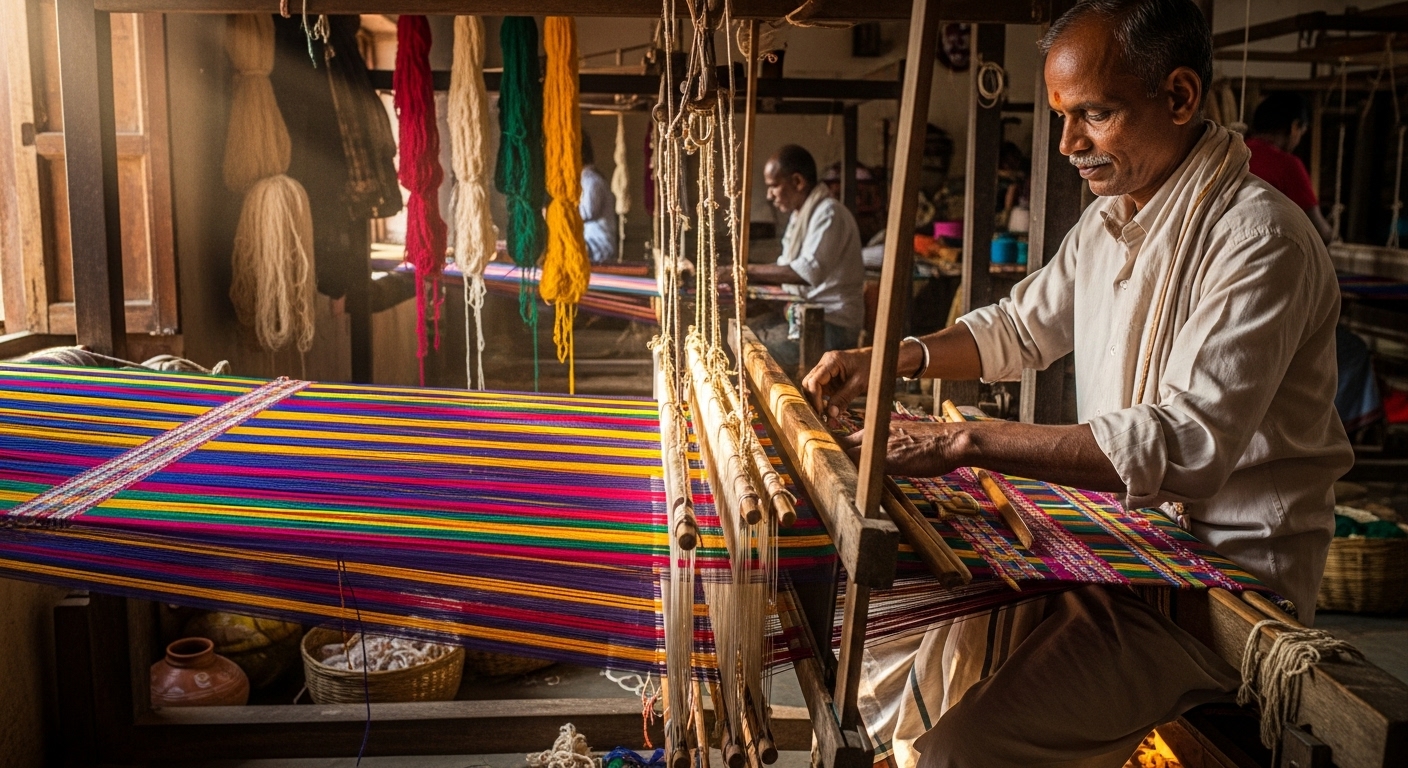
Have you ever wanted to step back in time and experience the rhythm of traditional craftsmanship? Imagine wandering through a village where the air smells of fresh clay, dyed fabric hangs in the sun, and the soft click of a loom provides the soundtrack to daily life. Welcome to the world of craft villages worth a stay, where weaving, pottery, and indigo dyes aren’t just art forms — they’re living traditions.
These villages are more than just tourist attractions. They are communities where skills have been passed down for generations, where every item tells a story, and where visitors can immerse themselves in authentic experiences. Staying here isn’t just about seeing; it’s about participating, learning, and connecting with a culture at a human pace.
If you’ve ever thought that travel should include both discovery and creativity, then a journey to craft villages is exactly what you need. Ready to explore? Let’s walk through some of the world’s most remarkable artisan destinations.
Why Craft Villages Matter
In a world dominated by mass production and fast fashion, craft villages are reminders of a slower, more intentional way of living. Every handwoven textile, every hand-thrown pot, and every indigo-dyed cloth is a testament to skill, patience, and creativity. These villages preserve cultural heritage and provide livelihoods, empowering artisans to keep their traditions alive.
For travelers, visiting a craft village is immersive and educational. It’s a chance to see materials transformed by skillful hands, to understand techniques that date back centuries, and even to try them yourself under the guidance of local artisans. Instead of passive observation, you become part of a living tradition.
1. Varanasi, India – Weaving Silk for Generations
Varanasi, on the banks of the Ganges, is famous not only for its spiritual significance but also for its exquisite handwoven silk sarees. Families in this city have been weaving Banarasi silk for centuries, and walking through the narrow lanes, you’ll see artisans at looms, creating patterns that shimmer in gold and silver threads.
Many workshops offer stays, allowing travelers to experience the weaving process from start to finish. You can try your hand at the loom, learn about dyeing techniques, and even take home a piece of fabric with your personal touch. It’s a sensory experience — the sounds of the loom, the fragrance of natural dyes, and the tactile beauty of silk all combine to create something unforgettable.
2. Mashiko, Japan – Pottery with a Zen Approach
Japan’s Mashiko village has been synonymous with pottery since the early 20th century. This charming village offers workshops where visitors can create functional pieces — bowls, cups, and plates — while absorbing the meditative philosophy that drives Japanese ceramics.
Unlike mass-produced ceramics, Mashiko pottery emphasizes simplicity, imperfection, and the natural beauty of clay. Many local artisans welcome guests to stay in traditional inns, giving them the opportunity to experience daily life while shaping their own pots under expert guidance. By the end of your stay, you’ll have both memories and handmade treasures to bring home.

3. Chiang Mai, Thailand – Indigo Dyes and Textile Traditions
Chiang Mai and its surrounding villages are famous for indigo-dyed fabrics and intricate weaving traditions. Visitors can explore weaving cooperatives and indigo dye workshops, where artisans demonstrate techniques that have remained largely unchanged for centuries.
What makes this experience special is participation. Guests can dip cloth into vats of natural indigo, twist and tie fabrics for batik patterns, and learn about the symbolism behind each design. Many homestays in these villages offer cooking classes, meditation sessions, and local storytelling — turning a simple visit into a fully immersive cultural experience.

4. Oaxaca, Mexico – Vibrant Textile Villages
In Oaxaca, the art of weaving and embroidery is alive in every corner. Villages like Teotitlán del Valle are renowned for their handwoven rugs made from naturally dyed wool. Families here continue to use traditional backstrap looms, and their workshops often double as living spaces, giving visitors an intimate view of life intertwined with craft.
Visitors can participate in dyeing sessions using cochineal insects for red, indigo for blue, and other natural pigments. You’ll also see how patterns tell stories — from Zapotec legends to depictions of local landscapes. Staying overnight allows travelers to experience village rhythms: morning market visits, sunset walks, and quiet moments surrounded by mountains and weaving threads.
5. Fez, Morocco – The Potter’s Quarter
The city of Fez is famous for its centuries-old ceramic traditions, and the pottery villages nearby are ideal for a hands-on experience. From wheel-throwing to glazing and firing, visitors can learn the art of Moroccan ceramics, guided by master potters who treat their craft as both an art and a legacy.
Homestays in these villages allow guests to see kilns in action, understand glazing techniques, and even participate in communal meals. You leave with not just a handmade pot but a deeper appreciation for the discipline and creativity behind each piece.
6. Isle of Skye, Scotland – Wool and Weaving Retreats
The Isle of Skye isn’t just about rugged landscapes; it’s also home to small villages preserving wool-spinning and weaving traditions. Local artisans welcome visitors to workshops where they can card wool, spin yarn, and weave small projects on looms.
Combined with hiking trails and scenic views, these craft villages offer a dual experience of creativity and adventure. Staying in small inns or B&Bs allows travelers to integrate fully into village life, witnessing the interplay of landscape, weather, and craft on a daily basis.
Why a Stay Is Better Than a Day Trip
Craft villages are meant to be lived in, not rushed through. Spending a night or more allows you to:
- Participate fully in workshops without time pressure.
- Observe the artisans’ routines — from morning preparations to evening rituals.
- Connect with the community on a personal level, hearing stories passed through generations.
- Enjoy the rhythms of rural life, which are often as enriching as the craft itself.
By immersing yourself, you don’t just see the work — you understand the dedication, skill, and stories behind each creation.
Travel Tips for Visiting Craft Villages
Here are some tips to maximize your experience:
- Research authentic villages: Look for places where artisans still work with traditional methods rather than tourist-focused workshops.
- Book homestays in advance: Staying with local families offers a more immersive experience.
- Pack light, but include essentials: Comfortable shoes, sun protection, and notebooks for sketching or journaling.
- Respect local customs: Ask before photographing artisans and be mindful of workspaces.
- Learn basic phrases: Even simple greetings in local languages can enhance your connection with hosts.
Learning by Doing: The Hands-On Experience
One of the most rewarding aspects of visiting craft villages is participation. Nothing beats the feeling of shaping clay with your own hands, watching a thread transform on a loom, or dyeing fabric in a vat of natural indigo. You might make mistakes, but those mistakes become part of the experience — sometimes even creating unexpectedly beautiful results.
These activities also encourage mindfulness. The repetitive motions of weaving, the focus required in pottery, and the careful patience needed for dyeing all slow you down. In a world of constant distraction, these villages offer a rare chance to be fully present.
Combining Craft and Exploration
Many craft villages are located in scenic regions. This means your stay can combine creativity with exploration. Imagine hiking between weaving workshops, strolling through fields while carrying a freshly spun skein of yarn, or watching a sunset over clay kilns. The combination of sensory experiences — sight, touch, smell, and sometimes taste — creates a travel memory that is both rich and lasting.
We’d love to hear your stories! Have you tried weaving, pottery, or indigo dyeing during your travels? Which villages left a lasting impression? Share your experiences in the comments — your tips might inspire someone else to explore the world of artisan villages. Follow us on social media for more cultural travel guides and immersive experiences that go beyond ordinary tourism.
Catch up on the top stories and travel deals by subscribing to our newsletter!