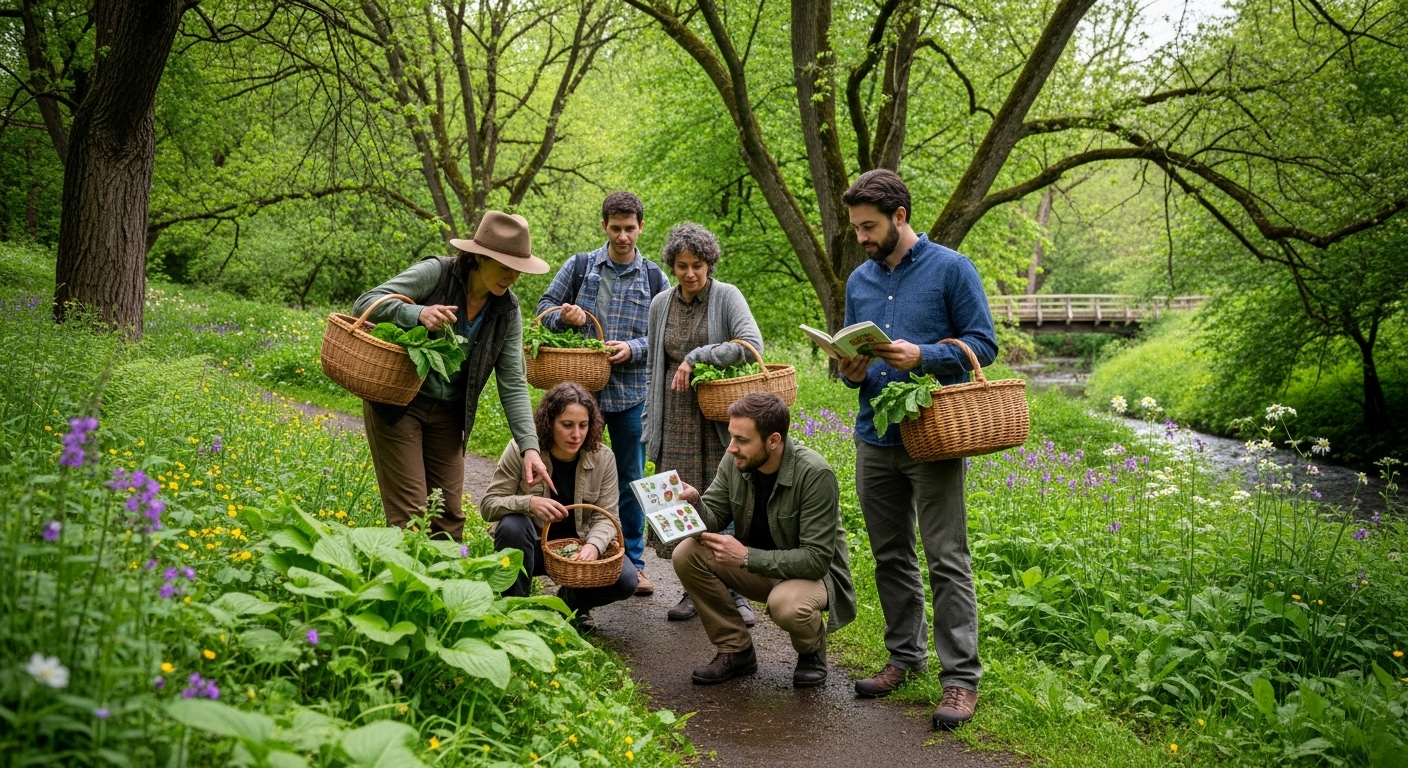
Ever walked through your city park or neighborhood and wondered what’s growing around you? What if some of those plants, flowers, or even weeds were actually edible? Welcome to the world of urban foraging walks — a movement that turns ordinary sidewalks and city parks into edible adventures. These guided or self-led experiences combine sustainability, curiosity, and a deep connection to the land — even if that land happens to be in the middle of a bustling metropolis.
In a world that often feels fast-paced and disconnected, urban foraging walks offer a refreshing way to slow down and see nature thriving where we least expect it. But how do you forage responsibly? Where is it legal? And what are the best cities to explore for edible plant life? Let’s dig into the roots of this growing trend — literally.
Rediscovering Nature in the Concrete Jungle
Modern cities are often seen as steel-and-glass environments, far removed from nature. But step outside with a trained forager, and you’ll discover that edible plants are everywhere — in vacant lots, along riversides, even between sidewalk cracks. Dandelions, nettles, wild garlic, chickweed, and purslane are just a few of the delicious (and nutritious) plants urban dwellers can find right under their noses.
The beauty of urban foraging walks is that they help reconnect people to the environment around them. Instead of treating plants as background scenery, participants learn to identify, harvest, and respect local ecosystems. It’s mindfulness in motion — one leaf at a time.
Is Urban Foraging Legal?
Before you grab a basket and head for the nearest park, it’s important to understand the rules. Foraging laws vary by city and country. In some places, it’s perfectly fine to pick wild herbs and berries for personal use, while in others, collecting plants in public spaces is restricted or banned entirely. Always check local regulations and, when possible, join guided walks led by certified experts who know where and what can be safely harvested.
In the U.S., for instance, some states allow foraging in designated areas of public parks, while others prohibit removing any vegetation. In the U.K., foraging for personal use is generally allowed in many rural and semi-urban areas, provided it’s done responsibly and without damaging the ecosystem. Meanwhile, places like Sweden and Finland have long embraced “freedom to roam” principles, making them some of the most forager-friendly nations in the world.
Safety First: Identifying What’s Edible
One of the golden rules of urban foraging walks is: never eat anything unless you’re absolutely sure it’s safe. Many edible plants have toxic lookalikes, and even seasoned foragers rely on field guides, identification apps, or expert advice to confirm what they’ve found. Touch, smell, and color are key identifiers, but so is caution. A small mistake could lead to unpleasant — or dangerous — results.
Additionally, avoid foraging in areas near heavy traffic, industrial sites, or contaminated soils. Urban pollution can affect plant safety, and responsible foragers always prioritize clean, chemical-free locations.
Popular Cities for Urban Foraging
Believe it or not, some of the world’s largest cities are also some of the best places for foraging. Each has its own ecosystem, unique plants, and dedicated foraging communities.
- London, England: The city’s parks and riverbanks are bursting with edible treasures. Guided foraging tours in Hampstead Heath and Epping Forest teach locals how to identify wild herbs and mushrooms safely.
- New York City, USA: Central Park foraging legend “Wildman” Steve Brill has been leading urban foraging walks for decades, showing how nature thrives even in the heart of Manhattan.
- Berlin, Germany: Berlin’s green spaces are perfect for gathering elderflowers, wild garlic, and nettles — plus, the city’s sustainability scene supports ethical foraging culture.
- Tokyo, Japan: Foragers in Tokyo explore hidden pockets of greenery to find edible bamboo shoots, sansai (mountain vegetables), and wild herbs used in traditional cuisine.
- Melbourne, Australia: With its diverse flora, Melbourne’s foraging walks highlight native bush foods, including wattleseed and saltbush, central to Aboriginal culinary heritage.

Guided Walks vs. Solo Foraging
If you’re new to the concept, joining a guided urban foraging walk is the best way to start. Experts not only identify edible plants but also explain their cultural and historical uses. You’ll learn how to harvest sustainably and how to prepare your finds — think wild garlic pesto or dandelion salad!
Once you’ve gained confidence, solo foraging can be a peaceful and rewarding activity. However, always bring a field guide or use a reliable plant ID app. Keep your gathering minimal, take only what you need, and leave plenty for others — including wildlife.
Why Urban Foraging Is About More Than Food
At first glance, foraging seems like a hobby for food enthusiasts. But it’s so much more than that. It’s about reconnecting with the rhythms of nature, even within urban spaces. It’s about understanding what grows around us and respecting the delicate ecosystems that make city life possible.
Many people describe foraging as a form of meditation — a mindful practice that encourages patience, observation, and gratitude. Plus, there’s the thrill of discovery: finding a patch of wild mint or a cluster of edible mushrooms feels like uncovering a hidden treasure.

Tips for Responsible Foraging
- Do your research: Learn local rules before you forage. Some cities allow plant picking; others strictly forbid it.
- Harvest lightly: Take small amounts and leave the rest so the plant can regenerate.
- Respect private property: Always ask permission before foraging on non-public land.
- Use proper tools: A small knife, scissors, or basket can help you harvest safely and neatly.
- Don’t overstep: Remember, the ecosystem needs those plants too — for bees, birds, and other wildlife.
Best Times of Year for Urban Foraging Walks
Seasonality plays a big role in foraging. Spring brings tender greens like dandelion leaves, wild garlic, and chickweed. Summer is perfect for berries, while autumn is mushroom season in many regions. Even winter offers surprises, like edible pine needles and rosehips. Each season tells its own story through flavor and scent — making urban foraging walks a year-round experience for those who know where to look.
From Foraging to Table: Cooking Your Finds
Once you’ve gathered your urban bounty, the next joy is turning it into something delicious. Wild herbs can be turned into teas, pestos, and infusions. Edible flowers add beauty and flavor to salads. Mushrooms and greens can elevate any home-cooked dish. Some enthusiasts even organize “wild dinners,” where every ingredient comes from a local foraging expedition.
What You’ll Learn from a Foraging Expert
On most guided walks, foragers share more than plant names. They dive into history — how indigenous communities used these plants, how they were once staples in pre-industrial diets, and why reconnecting with them matters today. It’s education disguised as exploration, and that’s part of what makes foraging so deeply satisfying.
Foraging as Eco-Activism
In many ways, urban foraging walks are a quiet act of environmental activism. They encourage participants to value biodiversity, fight food waste, and advocate for greener cities. When people start recognizing edible plants, they also start protecting them. Awareness leads to appreciation, and appreciation sparks change.
So, what about you? Have you ever joined an urban foraging walk or spotted edible plants in your city? What’s holding you back from trying it? Maybe it’s time to step outside, basket in hand, and see your city through new eyes — ones that can spot both beauty and nourishment hiding in plain sight.
If this post sparked your curiosity, we’d love to hear from you! Share your experiences or questions in the comments. And don’t forget to follow WentWorld on our social platforms for more fascinating travel stories, sustainable experiences, and hidden-world adventures.
Catch up on the top stories and travel deals by subscribing to our newsletter!