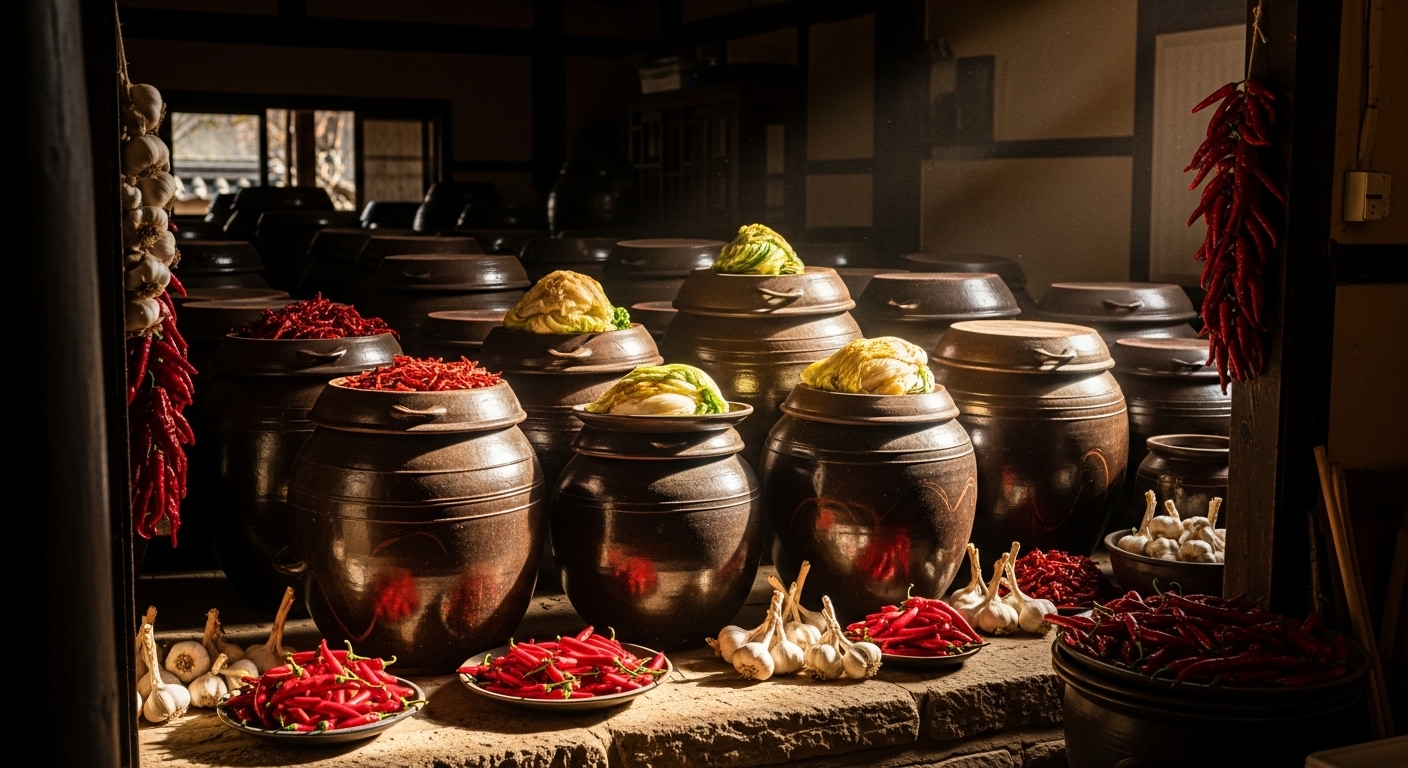
What if your next journey wasn’t about beaches or cities but about bubbles — the living, breathing kind that transform food? Around the world, cultures have been fermenting for centuries, using time, salt, and microbes to create flavors that never fade. Welcome to the delicious world of the Fermented Foods Pilgrimage — a global adventure that celebrates taste, tradition, and transformation.
From Korea’s spicy kimchi to Eastern Europe’s tangy kefir and Japan’s mellow miso, fermented foods connect us to the wisdom of the past. They also happen to be good for you, thanks to probiotics that support digestion and immunity. But beyond the health benefits, there’s something deeply human about fermentation — a slow, natural process that mirrors patience and care.
In this guide, we’ll take you across continents — from rustic cellars and seaside fermentation houses to mountain dairies — where bubbling crocks and quietly fizzing jars tell the stories of culture and craft. Ready to taste your way through history? Let’s begin this flavorful pilgrimage.
The Magic of Fermentation
Fermentation is, at its heart, controlled transformation. Microorganisms such as bacteria, yeasts, and molds work their magic, changing sugars into acids or alcohols. The result? Food that lasts longer, tastes deeper, and nourishes better. Think of fermentation as nature’s own kitchen — one that never stops working.
It’s also a reminder that good things take time. In a world obsessed with instant results, fermentation teaches patience. Every jar of sauerkraut or bottle of kombucha represents a partnership between human intuition and microbial intelligence. As you wait and watch, you become part of an age-old rhythm that links you to cultures worldwide.
Korea: The Soul of Kimchi
Let’s start in South Korea — the undisputed capital of fermentation. Here, kimchi isn’t just food; it’s identity. Every Korean household has its own recipe, passed down through generations, blending cabbage, radish, chili, garlic, and fish sauce into something alive and evolving.
In Seoul’s Kimchi Museum or at local markets like Gwangjang, you’ll find endless varieties — from the fiery napa kimchi to white kimchi, which skips the chili for a milder bite. The process of making it, called kimjang, is even recognized by UNESCO as an Intangible Cultural Heritage. Families gather each autumn to prepare jars that will last through winter, sharing stories, laughter, and tradition.
When you taste authentic kimchi, you’re not just eating — you’re tasting time. The tang, the spice, the fizz — they all speak of community and care. No wonder travelers call Korea the heart of the Fermented Foods Pilgrimage.
Japan: Miso, Soy Sauce, and Time-Honored Craft
From Korea, hop across the sea to Japan, where fermentation takes on an elegant precision. The Japanese have mastered the art of microbial alchemy, transforming soybeans, rice, and barley into culinary staples like miso, soy sauce, and sake.
In Kyoto, visit traditional miso kura (miso warehouses) where massive cedar barrels hold aging pastes for years. Each type — white, red, or mixed miso — offers a different personality, depending on fermentation length and ingredients. In Nara, you can explore soy sauce breweries where wooden casks and ancient koji molds turn simple beans into liquid gold.

There’s a deep spirituality in Japan’s fermentation culture. The process reflects respect for nature’s invisible forces and the belief that simplicity, when given time, reveals extraordinary depth. Whether you’re stirring a bowl of miso soup or sipping sake at sunset, you’re sharing in a tradition that balances art and science.
Eastern Europe: Kefir, Sauerkraut, and the Taste of Resilience
As you move westward, the next stop on the Fermented Foods Pilgrimage is the rugged and resourceful lands of Eastern Europe. Here, fermentation is survival — a way to preserve life through long, harsh winters.
In the Caucasus Mountains, shepherds still prepare kefir the traditional way: by adding live grains to fresh milk and leaving it to ferment in goatskin bags. The drink is tangy, frothy, and rich with beneficial bacteria. It’s said that the secret of longevity in these mountain communities lies in this simple, living beverage.
Further north, in Poland and Germany, you’ll find barrels of sauerkraut and pickles aging in cool basements. The smell might be sharp, but the taste is addictive — crunchy, sour, and full of zest. These foods have sustained generations, proving that necessity can lead to culinary brilliance.
India: The Hidden World of Everyday Ferments
India might not always be the first country you think of when it comes to fermentation, but the subcontinent is full of hidden treasures. From the batter of idli and dosas in the south to the kanji drinks in the north, fermentation quietly defines the Indian kitchen.
In Kerala, toddy tappers climb palm trees to collect sap that naturally ferments into a mild, coconut-flavored drink. In the Himalayas, locals make gundruk (fermented mustard greens) and kinema (fermented soybeans), both full of bold, earthy flavors. These dishes show how fermentation fits effortlessly into daily life — not as a trend, but as a tradition.
Moreover, India’s tropical climate makes fermentation fast and lively. The same warmth that ripens mangoes also fuels microbial magic, turning ordinary ingredients into tangy delights.
Scandinavia: Nordic Ferments and New Nordic Cuisine
Now, head north to Scandinavia, where chefs have turned fermentation into fine art. While Nordic people have long relied on fermented fish and dairy to survive their cold winters, modern innovators have reinvented those flavors for contemporary palates.
In Copenhagen, restaurants like Noma popularized fermentation labs that experiment with everything from pine needles to reindeer moss. Meanwhile, in rural Sweden, traditional fermented herring, known as surströmming, continues to divide opinions with its intense aroma but rich cultural legacy.
Fermentation here isn’t just about preservation — it’s about curiosity. The Nordic revival reminds us that fermentation is an evolving language, one that continues to adapt and surprise.
Latin America: Cacao, Chicha, and the Joy of Living Foods
Across the Atlantic, Latin America’s fermented landscape is vibrant and full of flavor. In Peru, chicha — a lightly alcoholic corn drink — connects modern drinkers to ancient Incan rituals. In Mexico, tepache made from pineapple peels and sugarcane sings with tropical sweetness. Meanwhile, Ecuadorian chocolate artisans rely on natural fermentation to bring out the depth of cacao beans before roasting them into world-class chocolate.
In these regions, fermentation is a joyful process. It’s often celebrated with music, markets, and communal feasts. Each batch is unique — a living reflection of the air, temperature, and hands that made it.
Why Fermentation Is Having a Global Comeback
Today, fermentation isn’t confined to kitchens or cellars — it’s become a global movement. From kombucha bars in New York to kimchi workshops in London, people are rediscovering the beauty of slow, living food. Why? Because it feels real. It’s a hands-on antidote to processed meals and artificial flavors.
Moreover, the health benefits are undeniable. Fermented foods strengthen the gut, balance immunity, and even boost mental well-being. Scientists now recognize the “gut-brain axis,” showing how what we eat can influence mood and cognition. It turns out our ancestors were right all along — food that lives can also help us thrive.
How to Plan Your Own Fermented Foods Pilgrimage
If you’re feeling inspired, here’s how to begin your own journey:
- Start locally: Visit farmers’ markets, small dairies, or breweries in your area. Many artisans are reviving fermentation traditions.
- Travel mindfully: Choose destinations where local food culture is preserved and appreciated. Workshops and homestays often provide hands-on experiences.
- Keep a tasting journal: Write down what you taste and smell. Each ferment has its own “personality.”
- Respect the process: Fermentation takes time. Whether you’re visiting a miso brewery or a kimchi festival, remember that patience is part of the flavor.
The Deeper Meaning of Fermented Travel
Every destination on the Fermented Foods Pilgrimage shares one common theme — transformation. Simple ingredients become complex through care and time. Likewise, travel transforms us. We begin as curious visitors and end up changed by the cultures we encounter.
Fermentation teaches humility. It reminds us that the best flavors — and experiences — can’t be rushed. They evolve naturally, with balance and respect. Whether you’re in a Korean kitchen, a Japanese brewery, or a Peruvian cacao farm, you’ll find the same message: life, like fermentation, gets better when you let it breathe.
Join the Conversation
What’s your favorite fermented food? Have you ever tried making your own kimchi or kombucha? Or perhaps you’ve traveled somewhere just to taste something alive and local? We’d love to hear your stories — share your experiences in the comments below. Who knows? Your journey might inspire someone’s next culinary adventure!
The Fermented Foods Pilgrimage isn’t about chasing trends. It’s about rediscovering connection — to culture, nature, and the unseen world that keeps us alive. From the tang of sauerkraut to the fizz of kefir, fermentation is more than flavor; it’s philosophy. It teaches patience, respect, and gratitude for the invisible work happening around us every day.
So, next time you open a jar or sip something effervescent, think of the countless generations that came before. They too waited, watched, and wondered at the beauty of transformation. That’s the real power of fermentation — it brings the world together, one bubble at a time. Follow us on our social platforms for more slow travel stories, culinary adventures, and cultural journeys from around the world. Let’s keep exploring — one taste at a time.
Catch up on the top stories and travel deals by subscribing to our newsletter!