There’s a certain kind of traveler who doesn’t just dip their toes into culture — they dive in, literally. If you’ve ever stared at a frozen lake and thought, “People actually swim in that?”, this one’s for you. Around the world, especially across Northern Europe and parts of Asia, the tradition of cold plunging is not just an act of bravery — it’s a way of life. Welcome to the world of cold-plunge capitals, where saunas, ice holes, and wellness rituals go hand in hand with breathtaking scenery and centuries-old customs.
From Finland’s lakeside steam huts to Japan’s icy mountain onsens, these destinations have mastered the art of contrast — the soothing warmth of a sauna followed by a heart-stopping dip in freezing water. You might wonder, what drives people to willingly submerge themselves into near-zero-degree water? The answer is part science, part spirituality, and part sheer joy.
The Fascination Behind Cold Plunges
It’s no longer just a quirky Nordic pastime — it’s a global wellness movement. Cold plunging has been linked to improved circulation, reduced inflammation, increased endorphins, and even mental clarity. But beyond the biological buzz, there’s a sense of connection — to nature, to one’s own limits, and to traditions that predate modern wellness trends by hundreds of years.
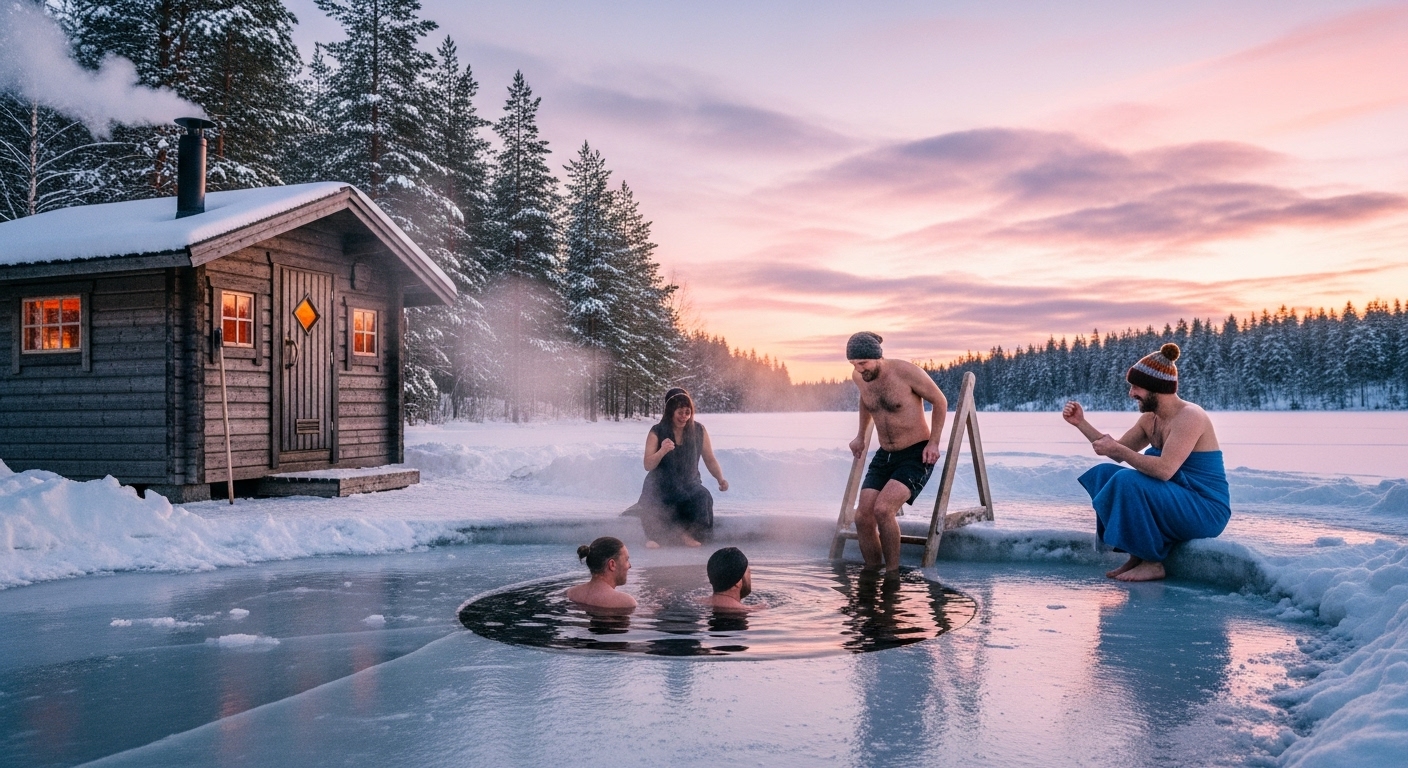
In cold-plunge capitals like Helsinki, Oslo, and Reykjavik, locals see winter swimming as more than self-discipline; it’s community. You’ll find friends chatting while waist-deep in icy water, laughing off the chill before heading back to the sauna for another round. The rhythm is simple but transformative: heat, cold, rest — repeat.
1. Finland – The Heart of Sauna and Ice
If there’s one country that deserves the crown among cold-plunge capitals, it’s Finland. The Finnish sauna is a sacred space — part relaxation ritual, part social hub. There are over 3 million saunas in a nation of just 5.5 million people, and many sit beside lakes that freeze solid in winter. Locals carve out ice holes — called “avanto” — and take quick plunges between sauna sessions.
Try it in Helsinki at the famous Löyly sauna, a sleek, sustainable waterfront space where design meets tradition. After sweating out your worries in the wood-fired heat, step outside, walk down the pier, and lower yourself into the Baltic Sea’s frigid embrace. It’s shocking at first, but within seconds, your body floods with warmth and clarity — the signature Finnish “afterglow.”
2. Norway – Fjords, Floating Saunas, and Arctic Thrills
Norway takes the sauna-cold dip tradition to cinematic levels. Imagine sitting in a floating sauna surrounded by fjords, then jumping straight into icy seawater framed by snow-capped peaks. In Oslo, SALT — a cultural hub built from Arctic-inspired wooden structures — offers precisely that. Locals and travelers gather for sauna sessions, concerts, and (for the brave) a plunge into the Oslofjord.
Further north in Tromsø, the practice reaches spiritual heights. The Arctic light, the silence, and the shock of cold combine to create something almost transcendent. Whether it’s a morning dip under pink skies or a midnight plunge beneath the Northern Lights, Norway knows how to turn discomfort into ecstasy.
3. Iceland – Geothermal Meets Glacial
Icelanders have been mastering the elements for centuries, blending hot and cold in ways only their volcanic homeland allows. While most travelers head straight to the Blue Lagoon, the real experience lies in the lesser-known community pools and natural hot springs that dot the countryside. Many locals combine hot soaks with cold plunges, stepping from steaming water into mountain air or even snow.
Head to Laugarvatn Fontana, where geothermal heat bubbles through the earth right beside a cold lake. The traditional Icelandic method alternates between steaming saunas, natural mineral baths, and brisk plunges in open water — all part of the body’s natural balancing act. It’s both an awakening and a reminder: nature gives and takes in equal measure.
4. Japan – The Discipline of Onsen and Snow
In Japan, hot springs — known as onsen — have deep cultural roots tied to cleanliness, meditation, and respect for nature. But Japan also offers its own variation of the cold-plunge ritual, especially in mountainous regions where the contrast between hot water and snowy landscapes is dramatic. In Nagano or Hokkaido, you can soak in an outdoor onsen while snowflakes drift down around you, then step out to cool your body in the crisp mountain air. It’s not an ice hole, but the effect is the same: pure invigoration.

And if you’re curious about Japanese bathing etiquette — always wash before entering, stay quiet, and avoid splashing. The ritual is as much about mindfulness as it is about physical renewal.
5. Russia – Ice Baptisms and the Banya Tradition
Russia’s version of the sauna, the banya, is steeped in tradition and ritual. A proper banya session includes steam, birch branches (used to gently whip the skin to improve circulation), and, of course, a plunge into freezing water. Every January, millions participate in the Orthodox Epiphany celebration, cutting holes in the ice to immerse themselves three times — a blend of faith, endurance, and renewal.
In Moscow and St. Petersburg, you’ll find public banyas that combine old-world charm with wellness tourism appeal. Visit Sanduny Banya in Moscow, a lavish bathhouse where aristocrats once gathered, and experience a tradition that’s both raw and refined.
What You’ll Feel – And Why It’s Addictive
The first plunge is a shock. Your breath catches, your skin tingles, and every instinct screams “get out.” But stay calm, focus on your breath, and in seconds, your body adapts. Blood rushes from your extremities to protect your core, then floods back with warmth once you emerge. The result? Euphoria. Many cold-dippers describe it as a “reset button” for the mind and body.
Regular cold plungers report better sleep, stronger immune systems, and lower stress levels. But there’s something deeper too — a sense of connection. You’ve faced nature’s harshest element and come out smiling. That’s empowerment.
Etiquette 101: How to Dip Like a Local
- Respect the rhythm. Don’t rush between sauna and plunge — let your body acclimate.
- Silence is golden. Many sauna cultures value quiet reflection; keep conversations low.
- Stay hydrated. Drink water before and after; the heat-cold cycle can dehydrate you.
- Don’t overdo it. Beginners should start with short plunges and build up tolerance gradually.
- Be mindful of safety. Always check ice thickness or water depth before entering.
Modern Cold-Plunge Capitals You Can Visit Today
Beyond the traditional strongholds, the wellness world is embracing the plunge. You’ll now find dedicated “cold therapy spas” from California to Copenhagen, offering ice baths and guided contrast therapy sessions. Resorts in Canada and Switzerland are also blending alpine spa luxury with old-school sauna culture, creating hybrid experiences that combine comfort with adventure.
Even urban travelers can join in — rooftop saunas in Stockholm, thermal spas in Budapest, and even portable plunge tubs are making the practice accessible year-round.
Here’s a thought — instead of bringing home souvenirs, why not bring home a ritual? Cold plunging teaches resilience, gratitude, and presence. It’s a reminder that discomfort often leads to discovery. As you explore the world’s cold-plunge capitals, you’re not just chasing adrenaline; you’re reconnecting with your body, your senses, and the planet’s raw power.
So, would you dare to take the plunge? Have you ever tried a sauna-and-ice experience abroad, or is it on your travel bucket list? Share your stories in the comments — we’d love to hear how you handle the chill!
Catch up on the top stories and travel deals by subscribing to our newsletter!