In a world that celebrates constant movement—notifications, noise, and nonstop sightseeing—sometimes the best kind of adventure is the one that lets you *exhale*. Welcome to the world of low-sensory travel, a growing trend that’s all about slowing down, softening your surroundings, and experiencing destinations in peace.
Not everyone seeks bustling night markets or crowded landmarks. For some travelers, the joy of exploring comes from quiet moments—reading by the sea, walking through forests without headphones, or finding hotels that actually believe in silence. If that sounds like your kind of paradise, this guide is for you.
What Exactly Is Low-Sensory Travel?
Low-sensory travel is a mindful way of exploring the world that prioritizes calm, comfort, and gentle stimulation. It’s designed for travelers who may be sensitive to noise, light, or crowds—but also for anyone who simply wants a break from overstimulation. Think of it as a retreat, not an escape.
This type of travel isn’t about avoiding experiences—it’s about curating them. Instead of racing through a dozen attractions in a day, you might linger over a slow breakfast, stroll along quiet coastal paths, or spend an afternoon sketching a cityscape from a shaded bench. The idea is to travel in a way that soothes your senses, not floods them.
Why the World Needs More Quiet Journeys
In a travel industry dominated by bucket lists and social media check-ins, low-sensory travel is a quiet rebellion. Many people, especially neurodivergent travelers or those living with anxiety, have started seeking experiences that don’t overwhelm. Even extroverts admit that travel fatigue is real—airports, city lights, honking traffic, crowded tours—it’s all a lot.
Low-sensory travel helps counterbalance that overload. It teaches us to find joy in stillness. And it reminds us that being present doesn’t require being busy.
Finding the Perfect Quiet Hotel
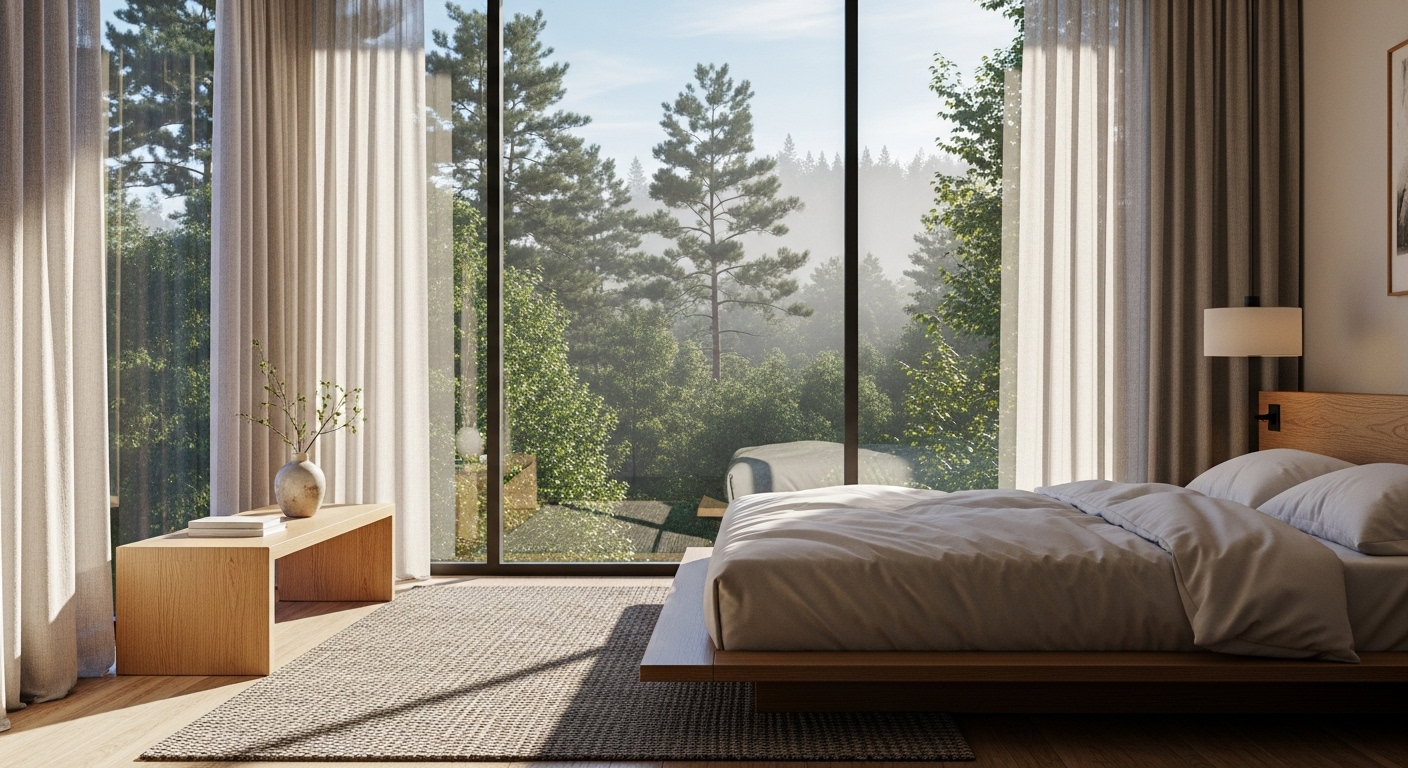
Let’s start with accommodation—because where you rest defines how you experience your destination. Quiet hotels and resorts are popping up around the world, catering to travelers looking for tranquility. These places might feature soundproofed rooms, meditation areas, and even “digital detox” zones where screens are discouraged.
For example, Japan’s Hoshinoya Karuizawa offers a forested escape where silence is considered sacred. In Iceland, small eco-lodges tucked between mountains let you fall asleep to nothing but the sound of wind and water. And in Italy, monasteries converted into boutique stays offer simplicity, comfort, and reflection.
When booking, look for these clues in descriptions: “adult-only,” “no-TV rooms,” “wellness retreat,” or “soundproof suites.” You can also check if the property participates in calm-hour programs—dedicated times where noise levels are kept intentionally low.
Soft Itineraries: The Art of Doing Less
Traditional travel planning often feels like a marathon: wake up early, rush to landmarks, tick boxes, repeat. But low-sensory travel invites you to plan soft itineraries—days that breathe.
Here’s what that might look like:
- A morning yoga session overlooking the sea
- A long tea break instead of a rushed coffee-to-go
- A self-guided nature walk with no set destination
- Visiting small, local museums instead of massive, crowded ones
- Reading in a park rather than queuing for photo ops
These moments aren’t just restful—they’re meaningful. They give your senses room to absorb the world slowly, which often makes experiences feel richer and more memorable.
Calm Hours: A Growing Movement
Many cities and attractions are beginning to introduce “calm hours,” dedicated times when lighting is dimmed, music is lowered, and crowd levels are managed to accommodate sensitive travelers. This concept, borrowed from sensory-friendly shopping or cinema initiatives, is now extending into travel spaces.
For example, some museums in Europe offer sensory-friendly viewing hours with minimal noise. Theme parks like Disney even have “quiet corners” and designated low-sensory zones. Airports are joining in too—Vancouver and Pittsburgh International have introduced sensory rooms where travelers can unwind away from the chaos.
It’s a small shift with a big impact. For those who find travel overwhelming, calm hours turn stressful moments into accessible adventures.

Low-Sensory Activities Worth Traveling For
What can you do while traveling low-sensory style? The options are endless—and beautifully simple. Here are a few ideas that nurture peace instead of adrenaline:
- Forest Bathing in Japan: Known as “shinrin-yoku,” this practice is all about immersing yourself in nature through the senses—touching bark, smelling pine, hearing birds.
- Thermal Springs in Hungary: Budapest’s historic baths offer quiet, meditative spaces to soak away stress.
- Mindful Train Journeys: Routes like the Glacier Express in Switzerland or Norway’s Bergen Line provide calm, rhythmic motion and panoramic views without crowds.
- Island Retreats in Greece: Stay on smaller, lesser-known islands like Folegandros or Serifos, where beaches are empty and time slows down.
- Desert Stargazing in Jordan: Wadi Rum at night offers one of the quietest, darkest skies in the world—a cosmic experience for the soul.
Sometimes, the best low-sensory activity is simply to pause—listen to your own breathing and realize that peace isn’t found; it’s remembered.
Low-Sensory Dining Experiences
Food can be an overwhelming part of travel—bright lights, chatter, and clattering dishes. But a growing number of restaurants are embracing quiet dining. These spaces use soft lighting, muted decor, and mindful service to create environments where conversation flows naturally and senses rest.
Some Michelin-starred restaurants now offer “silent tasting menus,” where guests are encouraged to eat in mindful silence. Others have adopted soft seating, acoustic treatments, and no-phone policies to enhance the calm. It’s all part of the low-sensory travel lifestyle—food as an experience of presence, not pressure.
How to Plan a Low-Sensory Trip
Ready to plan your first calm escape? Here’s how to get started:
- Choose destinations wisely: Opt for smaller towns, nature-based areas, or wellness hubs instead of major cities.
- Book during off-peak seasons: Traveling in shoulder months avoids large crowds and offers gentler experiences.
- Limit transportation chaos: Pick one or two destinations instead of hopping between five. Travel slower, stay longer.
- Pack for comfort: Noise-canceling headphones, soft clothing, eye masks, and calming teas can make all the difference.
- Prioritize sleep and space: A well-rested mind experiences less sensory overload.
The Rise of Neurodiversity-Inclusive Tourism
One of the most beautiful impacts of low-sensory travel is its alignment with accessibility. Many travelers with autism, ADHD, or sensory processing differences are finding the world more open to their needs than ever before. Tourism boards are developing sensory guides for attractions, outlining what to expect, how noisy it might be, and when it’s least busy.
This shift isn’t just compassionate—it’s smart. By designing travel for sensitivity, we make it better for everyone. After all, who doesn’t want a calmer check-in, quieter hotel room, or less crowded museum?
Digital Detox: Disconnecting to Reconnect
Low-sensory doesn’t just mean quiet in sound—it means quiet in mind. That’s where the digital detox comes in. Travelers are increasingly choosing accommodations with no Wi-Fi or embracing phone-free itineraries for part of their trip. The result? Better focus, deeper rest, and a surprising sense of clarity.
One traveler described it perfectly: “When I put my phone away, I started noticing birds again.” That’s the essence of low-sensory travel—rediscovering the small details that modern life often drowns out.
When Silence Becomes Luxury
In an era where “busy” equals “productive,” silence has become the ultimate luxury. Resorts are now selling peace as a premium experience, offering soundproof suites, forest cabins, and wellness programs centered around stillness. But the truth is—you don’t need a five-star hotel to experience low-sensory travel. You just need intention.
It’s as simple as turning down the volume, walking instead of driving, and choosing fewer but more meaningful experiences.
So here’s the question: would you take a low-sensory travel trip? Would you trade the thrill of crowded festivals for the comfort of silent mornings and soft sunsets? If so, what kind of calm calls to you—the sea, the mountains, or the sound of rain on a tin roof?
We’d love to hear your thoughts. Leave a comment below and share how you define peaceful travel in your life. And don’t forget to follow us on our social media platforms for more mindful travel ideas and soothing escapes from around the world.
Catch up on the top stories and travel deals by subscribing to our newsletter!