Have you ever come across a river that looks completely different depending on the time of year? Welcome to the mesmerizing world of rivers that change color, a natural phenomenon that transforms waterways from deep blues to bright greens, fiery reds, or even golden hues. These color shifts aren’t just beautiful—they reveal fascinating insights about the environment, geology, and ecosystem health of the river and its surroundings.
Unlike rivers that maintain a relatively stable color year-round, rivers that change color can shift dramatically due to seasonal rainfall, algae growth, sediment deposits, or chemical changes. Travelers, photographers, and nature enthusiasts often seek these rivers for their breathtaking visual appeal and unique seasonal experiences.
In this comprehensive guide, we’ll explore why some rivers change color, highlight some of the most famous examples worldwide, provide tips for visiting, and explain how to capture these fleeting natural spectacles. Share your observations in the comments to help others appreciate these dynamic waterways.
Why Do Rivers Change Color?
Several natural factors contribute to the seasonal color changes of rivers. Understanding these helps us appreciate the delicate balance of ecosystems and geological processes.
- Algal blooms: Certain algae or microorganisms can change water color as they multiply during specific seasons.
- Mineral deposits: Rivers running through mineral-rich terrain may acquire reddish, yellow, or blue-green hues depending on runoff and erosion.
- Glacial melt: Rivers fed by melting glaciers carry fine sediment called “glacial flour,” which can make the water appear turquoise or milky white.
- Rainfall and sediment flow: Seasonal rains can wash soil and organic material into rivers, altering their color temporarily.
- Temperature and sunlight: Temperature fluctuations affect chemical reactions and algae growth, subtly shifting river hues.
Famous Rivers That Change Color Seasonally
Some rivers have become natural attractions due to their spectacular seasonal color shifts. Here are a few you shouldn’t miss:
1. Caño Cristales – Colombia
Known as the “River of Five Colors,” Caño Cristales displays vibrant red, yellow, green, blue, and black hues. The colors appear due to the endemic aquatic plant Macarenia clavigera, which blooms spectacularly during the wet season (roughly June to November). Trekking along this river offers one of the most stunning color-changing river experiences in the world.
2. Río Celeste – Costa Rica
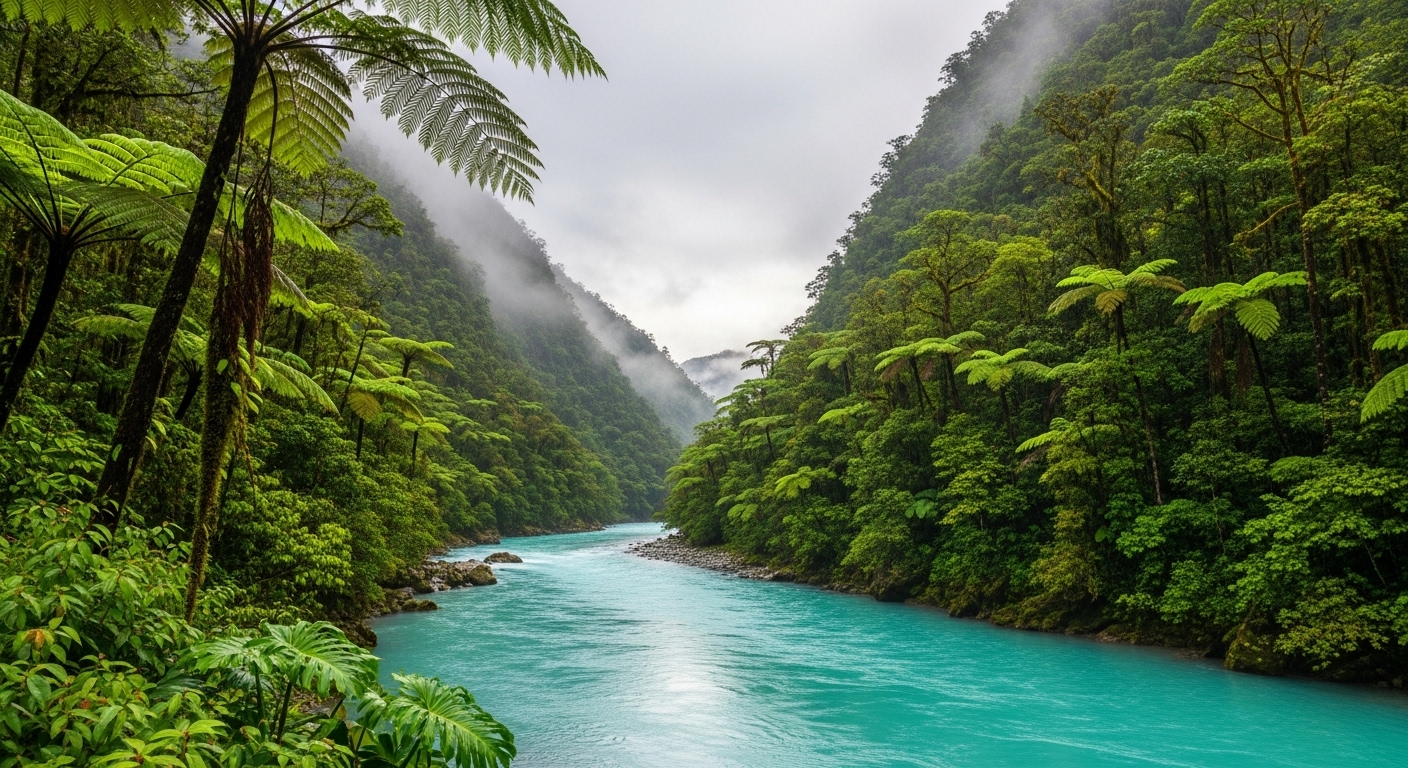
Río Celeste is famous for its bright turquoise waters, which appear due to a unique chemical reaction between volcanic minerals. The river’s color intensifies during the rainy season, when mineral-rich runoff increases the vibrancy of its hue. Visitors can hike along nearby trails for spectacular viewpoints of the river and surrounding rainforest.
3. Havasu Creek – USA
Located in the Grand Canyon, Havasu Creek turns vivid blue-green due to calcium carbonate deposits. Seasonal water flow changes slightly affect the shade of the river, creating a magical effect against the red canyon walls. Hiking to Havasu Falls is an unforgettable adventure that combines waterfalls and color-changing waters.
4. Jiuzhaigou River – China
In the Jiuzhaigou Valley, rivers shift colors seasonally, ranging from turquoise to emerald green. This phenomenon is caused by mineral deposits and algae growth. The valley’s scenic beauty, with surrounding mountains and waterfalls, enhances the visual appeal of these seasonal color changes.
5. Blue River – Iceland
Iceland’s rivers often change color due to volcanic ash, glacial melt, and sediment flow. During the spring melt, rivers like the Blue River can appear strikingly blue or gray, depending on mineral content and sediment load. Guided tours allow visitors to explore nearby waterfalls and geothermal features.

Best Times to Visit Rivers That Change Color
Timing is essential if you want to witness rivers that change color at their most vibrant. Some tips include:
- Research local wet and dry seasons to plan your visit for peak color changes.
- Check river flow rates—some colors only appear when water levels are moderate.
- Arrive early in the morning for the best lighting conditions for photography.
- Consider guided tours for remote or ecologically sensitive rivers to ensure safe and responsible exploration.
Photography Tips for Color-Changing Rivers
Capturing the beauty of these rivers requires careful preparation and awareness of natural lighting:
- Use a polarizing filter to reduce glare and enhance water color.
- Shoot during golden hour for richer tones and reflections.
- Include surrounding landscapes, trees, and rocks for scale and context.
- Take long-exposure shots of flowing water to create smooth, painterly effects.
- Respect the environment and avoid disturbing fragile riverbanks.
Environmental Factors to Consider
Rivers that change color are often delicate ecosystems. When visiting, consider the following to minimize your impact:
- Stay on marked trails and avoid stepping into the river unnecessarily.
- Do not throw any trash or food into the water, as it can harm aquatic life.
- Follow local conservation guidelines and support eco-tourism initiatives.
- Educate yourself about the river’s ecology to better appreciate the factors contributing to its seasonal colors.
- Encourage responsible photography by avoiding drones or excessive flash in sensitive areas.

Why Travelers Are Drawn to Rivers That Change Color
The allure of these rivers lies in their ephemeral beauty. Unlike static landscapes, the dynamic color shifts create a sense of wonder and urgency—visit too early or too late, and the river may look completely different. Moreover, these rivers connect travelers to local cultures, as many communities celebrate or rely on the waterways for agriculture, tourism, and spiritual traditions.
Tips for Planning Your Trip
When planning to explore rivers that change color, consider:
- Researching guided tours for remote rivers to ensure safety and access.
- Learning about local festivals, cultural events, and seasonal highlights.
- Booking accommodations in advance, especially during peak color-changing seasons.
- Checking local regulations for drones, photography, or river access.
- Preparing for hiking, wading, or trekking, depending on river terrain.
Have you witnessed a river transform its color seasonally? Which rivers left you awestruck, and what tips do you have for fellow travelers? Share your stories, photos, and experiences in the comments to inspire others to explore these natural wonders responsibly. If you love discovering rivers that change color, hidden waterfalls, and unique natural phenomena, follow us on our social media platforms for more travel inspiration, photography tips, and adventure guides.
Catch up on the top stories and travel deals by subscribing to our newsletter!