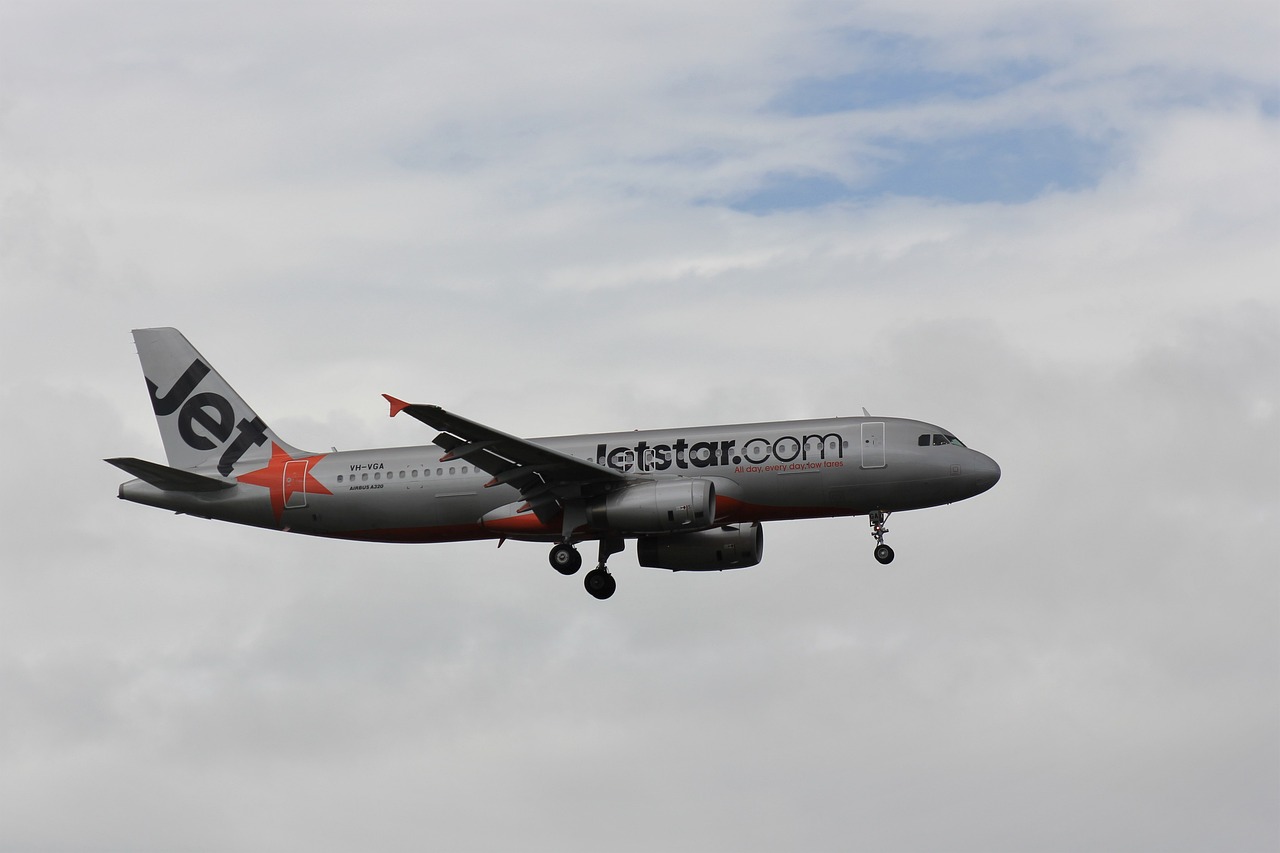
Jetstar Airways faces a sudden safety crisis after Airbus grounds key A320 jets. The airline manages heavy disruption as solar radiation creates dangerous faults in core flight computers. Jetstar Airways handles this shock while engineers rush to stabilise its fleet. The broader Qantas Group also manages similar pressure as its subsidiaries address the same digital threat.
The issue starts when intense solar radiation strikes sensitive flight control chips. These particles hit the memory inside the ELAC unit and corrupt crucial data. Engineers identify this corrupted data as a major risk because it triggers sharp and sudden pitch changes. This problem challenges the industry because modern aircraft rely on advanced digital systems at high altitudes. These heights expose aircraft to stronger cosmic activity, and this exposure increases the vulnerability of vital components.
Australia’s aviation authority enforces strong safety rules and directs operators to apply immediate fixes. The directive forces airlines to move grounded jets into maintenance facilities and apply urgent software changes. Technicians load older, stable ELAC versions and remove the corrupted software. Their rapid work limits the duration of this disruption, although older aircraft require hardware replacements. These replacements demand more time and create further pressure on global supply chains.
Jetstar’s network absorbs the hardest impact because the airline uses a dense schedule with A320 aircraft. The grounding forces large cancellations across major routes and strains customer support teams. Staff members rebook passengers, arrange alternate flights, and manage growing queues as the situation evolves. The airline uses all technical teams to speed up repairs and return aircraft to active service.
The crisis pushes the industry to rethink system protection against cosmic interference. The disruption highlights the role of digital resilience in aviation’s future. It also pushes manufacturers to upgrade flight computers and strengthen safeguards against solar radiation. Engineers now design new layers of protection to secure next-generation aircraft. The push for stronger safety standards now shapes future aerospace development.
Related stories:
Catch up on the top stories and travel deals by subscribing to our newsletter!