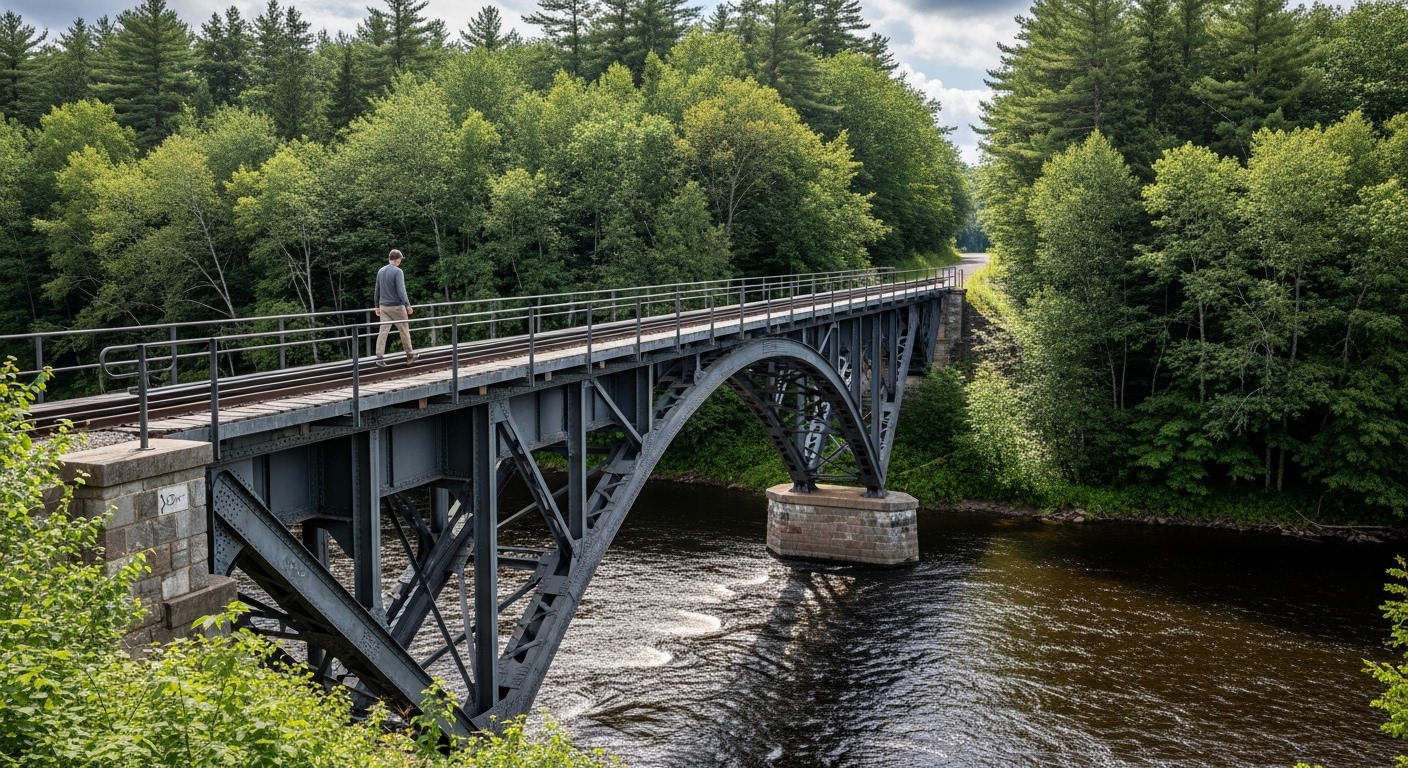
Railway bridges have long been symbols of industrial innovation, connecting towns, cities, and regions. While trains no longer cross some of these historic structures, many have found new life as pedestrian walkways. Today, old railway bridges now open for pedestrians offer a unique blend of history, architecture, and stunning scenic views. Have you ever imagined strolling across a bridge once dominated by locomotives, feeling the echoes of the past beneath your feet?
Transforming old railway bridges into pedestrian paths has become a global trend, combining urban renewal with tourism, leisure, and cultural experiences. Walking these bridges allows you to admire engineering feats, experience elevated views, and explore surrounding neighborhoods. In this blog, we’ll dive into the charm, history, and excitement of walking across these bridges, and why they deserve a spot on every traveler’s list.
The Appeal of Old Railway Bridges
Old railway bridges have a timeless charm that goes beyond their functional origins. Here’s what makes them special for pedestrians:
– **Architectural Beauty:** Many bridges were engineering marvels of their time, with intricate designs, arches, and ironwork.
– **Historical Significance:** Walking these bridges connects you to the industrial past and the communities they once served.
– **Scenic Views:** Elevated walkways provide panoramic views of rivers, valleys, cities, and countryside.
– **Leisure and Adventure:** Walking, jogging, or cycling across these bridges combines exercise with sightseeing.
Have you ever experienced a place where history, architecture, and nature converge in one stunning location?
Famous Old Railway Bridges Converted for Pedestrians
Many old railway bridges around the world have been transformed into pedestrian-friendly paths. Here are some notable examples:
1. High Line, New York City, USA
Originally an elevated railway line, the High Line is now a celebrated pedestrian walkway featuring gardens, art installations, and breathtaking city views. Walking along this former railway provides a unique urban perspective, blending history, greenery, and modern design. Wouldn’t you love to stroll above the streets of Manhattan surrounded by nature?
2. Millau Viaduct Walkway, France
While still functioning for trains, some sections of viaducts in Europe allow pedestrian access for special events. Walking across these bridges offers panoramic views of valleys, rivers, and mountains. Imagine standing atop one of the tallest bridges in the world and feeling the wind beneath your feet!
3. Menai Suspension Bridge, Wales
Originally built for trains, the Menai Suspension Bridge connects the island of Anglesey with mainland Wales. Pedestrians can now cross, enjoying sweeping views of the Menai Strait and surrounding landscapes. Have you ever walked on a bridge that spans both history and natural beauty?
4. Poughkeepsie Railroad Bridge “Walkway Over the Hudson,” New York, USA
Once a vital railway link, this bridge is now the world’s longest pedestrian bridge. The elevated walkway offers unparalleled views of the Hudson River and surrounding landscapes, making it a favorite for walkers, photographers, and nature lovers alike. Can you imagine the thrill of walking hundreds of meters above a flowing river?
5. Oresund Bridge Pedestrian Sections, Denmark-Sweden
While primarily a rail and road connection, certain pedestrian and cycling paths along parts of historic railway bridges in the region have become tourist attractions. Walking here combines stunning coastal views with glimpses into Nordic engineering history. Wouldn’t it be amazing to cross international borders on foot?

Experiencing History Firsthand
Walking on these bridges offers a tactile connection to history. Each step resonates with the trains, workers, and passengers that once defined the structure. Interpretive signs and exhibitions along some bridges provide insights into the construction techniques, historical events, and local anecdotes. You’re not just walking—you’re stepping through time.
Have you ever walked somewhere and felt the presence of history surrounding you?
Scenic and Cultural Highlights Along the Bridges
Old railway bridges often connect or overlook areas of cultural, natural, and architectural significance. Some highlights include:
– **Rivers and Valleys:** Elevated viewpoints provide a unique perspective on flowing rivers and lush valleys.
– **Urban Landscapes:** City bridges reveal rooftops, streets, and historic buildings from a new angle.
– **Countryside Views:** Bridges in rural areas showcase farmland, forests, and mountains.
– **Local Life:** Crossing these bridges can reveal village markets, fishing activities, and daily life.
Wouldn’t you love to capture photographs from angles only a bridge like this could offer?
Tips for Walking Old Railway Bridges
To make the most of your walk across historic railway bridges, keep these tips in mind:
– **Safety First:** Ensure the bridge is open to pedestrians and follow any safety guidelines.
– **Footwear:** Wear comfortable shoes with good grip, especially for older or uneven surfaces.
– **Timing:** Early morning or late afternoon offers better light and cooler temperatures.
– **Photography:** Bring a camera or smartphone to capture panoramic views.
– **Weather Check:** Be aware of wind or rain conditions, as some bridges can be exposed.
– **Respect the Structure:** Avoid touching sensitive areas or graffiti spots that are preserved for historical purposes.
Why Pedestrianized Bridges Are Gaining Popularity
Turning old railway bridges into pedestrian walkways is part of a broader movement to reclaim industrial spaces for public enjoyment. Benefits include:
– **Urban Renewal:** Bridges become vibrant public spaces integrated into city life.
– **Tourism Boost:** Pedestrian bridges attract visitors, photographers, and culture enthusiasts.
– **Health and Recreation:** Walking, jogging, and cycling opportunities promote fitness.
– **Cultural Awareness:** Informative plaques and exhibits educate visitors about history and engineering.
Have you ever visited a repurposed historic site that left you inspired?

Combining Bridge Walks With Local Exploration
Walking old railway bridges is often just one part of a larger travel experience. Consider pairing your visit with:
– **City tours:** Explore neighborhoods connected by the bridge.
– **River cruises:** Complement panoramic views with river-level perspectives.
– **Local markets and cafes:** Discover regional cuisine and crafts.
– **Cycling trails:** Some pedestrianized bridges allow bikes, extending exploration opportunities.
– **Photography walks:** Capture sunrise, sunset, or architectural details along the bridge.
Walking these bridges can transform an ordinary day into an extraordinary cultural and scenic experience. Can you imagine combining history, exercise, and breathtaking views all in one walk?
Old railway bridges now open for pedestrians are more than just walkways—they are historical journeys, architectural marvels, and scenic escapes. From urban centers to countryside rivers, these bridges invite travelers to explore on foot, connect with history, and enjoy unparalleled views. Whether you’re a history enthusiast, a photographer, or an adventurer, walking these bridges offers something for everyone. Have you ever stood on a bridge that made you feel connected to the past while marveling at the present?
Next time you plan a city walk or countryside exploration, look for pedestrianized old railway bridges and immerse yourself in history, architecture, and scenery. Don’t forget to follow us on our social media platforms for more travel inspiration and hidden gems!
Catch up on the top stories and travel deals by subscribing to our newsletter!