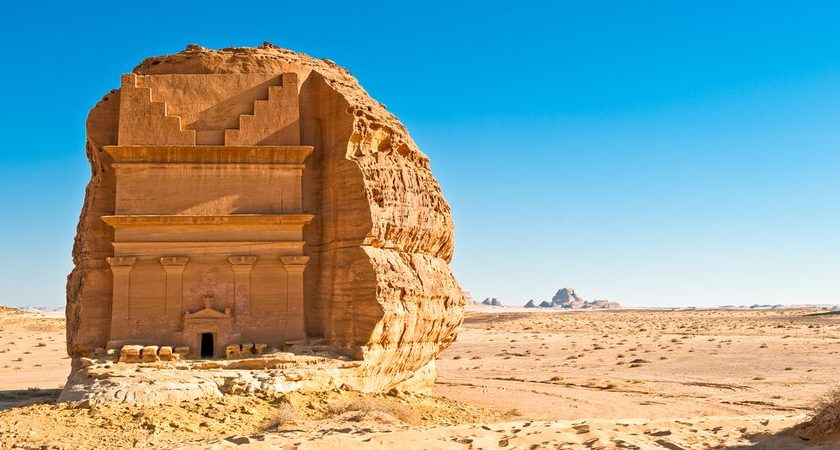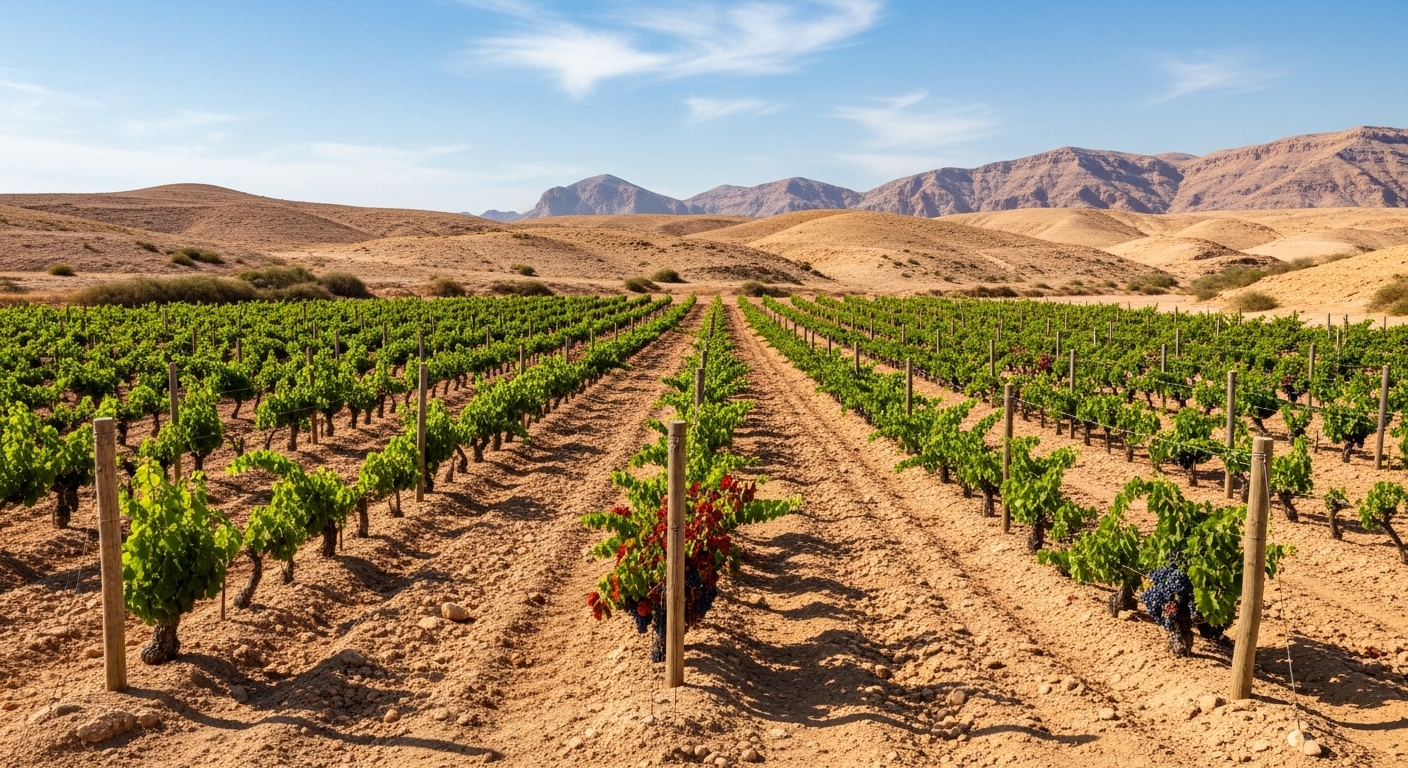
When you think of deserts, vineyards and olive groves probably aren’t the first things that come to mind. Yet, desert farms producing wine and olive oil are transforming arid landscapes into productive agricultural hubs. Through innovative farming techniques, efficient irrigation, and sustainable practices, these farms are showing that even the harshest environments can yield some of the world’s finest products.
The Rise of Desert Agriculture
Desert agriculture may seem counterintuitive, but it’s becoming increasingly viable due to advances in technology and water management. Drip irrigation, soil enrichment, and climate-smart farming allow farmers to cultivate crops that were previously thought impossible in arid regions. Among the most surprising successes are vineyards and olive orchards thriving in sandy, sun-drenched environments.
Have you ever imagined tasting a rich glass of wine made from grapes grown in the desert? Or savoring olive oil pressed from trees rooted in sandy soil under the blazing sun? These products are not only possible but are becoming highly sought after for their unique flavors and quality.
Notable Desert Farms Producing Wine and Olive Oil
- Negev Desert, Israel: Vineyards in the Negev Desert produce premium wines using advanced irrigation methods and heat-resistant grape varieties. Olive trees also thrive here, producing robust, high-quality oil.
- Almeria, Spain: Known for its dry climate, Almeria has innovative farms growing olives for oil production and experimenting with heat-tolerant grape varieties for wine.
- Sonoran Desert, USA: Arizona’s desert farms are cultivating olive trees and vineyards, often using shade nets and drip irrigation to protect crops from extreme temperatures.
- Negev’s Desert Winery, Israel: A standout example, this winery combines desert-adapted grape varieties with cutting-edge irrigation, producing wines with unique desert-inspired flavors.
- Fuerteventura, Canary Islands, Spain: Olive farms and small vineyards thrive on volcanic soil, offering distinctive flavors influenced by the arid climate.

Innovative Techniques Making It Possible
Farming in deserts requires creativity and adaptation. Techniques used by these desert farms include:
- Drip Irrigation: Delivers water directly to the plant roots, minimizing waste in arid environments.
- Soil Enrichment: Composting, mulching, and organic fertilizers improve soil fertility and moisture retention.
- Shade Nets and Greenhouses: Protect delicate crops from extreme sunlight while maintaining controlled temperatures.
- Drought-Tolerant Varieties: Selecting grape and olive cultivars that withstand heat and require less water.
- Water Recycling: Using treated water efficiently reduces waste and ensures sustainability.
The Benefits of Desert Farms
Desert farms producing wine and olive oil are not just agricultural experiments—they offer multiple benefits:
- Economic Growth: These farms create jobs and contribute to local economies by producing high-value crops.
- Sustainability: Efficient water use and adaptive farming practices promote sustainable agriculture.
- Unique Flavors: Grapes and olives grown under desert conditions often develop distinctive flavors due to heat stress and soil composition.
- Tourism Opportunities: Desert wineries and olive farms attract travelers seeking authentic and unusual experiences.
Have you ever visited a desert vineyard or olive farm? The experience is unlike any other, combining the beauty of arid landscapes with the sophistication of gourmet products. Tasting wine or olive oil crafted in such extreme conditions is a true celebration of human ingenuity and nature’s resilience.

Challenges and Considerations
Despite their success, desert farms face unique challenges:
- Water Scarcity: Even with advanced irrigation, water is a limited and valuable resource in desert regions.
- Extreme Temperatures: Heat waves and sudden temperature changes can damage crops.
- Soil Salinity: Desert soils can be saline, requiring careful management and treatment to support healthy plant growth.
- Market Access: Remote locations can make distribution and marketing of products more challenging.
Desert farms producing wine and olive oil demonstrate that innovation, perseverance, and sustainable practices can turn even the harshest environments into productive agricultural landscapes. From Israel to Spain and the USA, these farms are redefining our understanding of desert possibilities and offering unique flavors that reflect their environment.
Next time you enjoy a glass of wine or drizzle some olive oil on your meal, imagine the sun-scorched deserts, clever irrigation systems, and resilient farmers that made it possible. Have you visited a desert farm or tasted products from arid regions? Share your experiences and thoughts in the comments below!
Follow us on our social media platforms for more stories about innovative agriculture, desert wonders, and extraordinary travel experiences.
Catch up on the top stories and travel deals by subscribing to our newsletter!