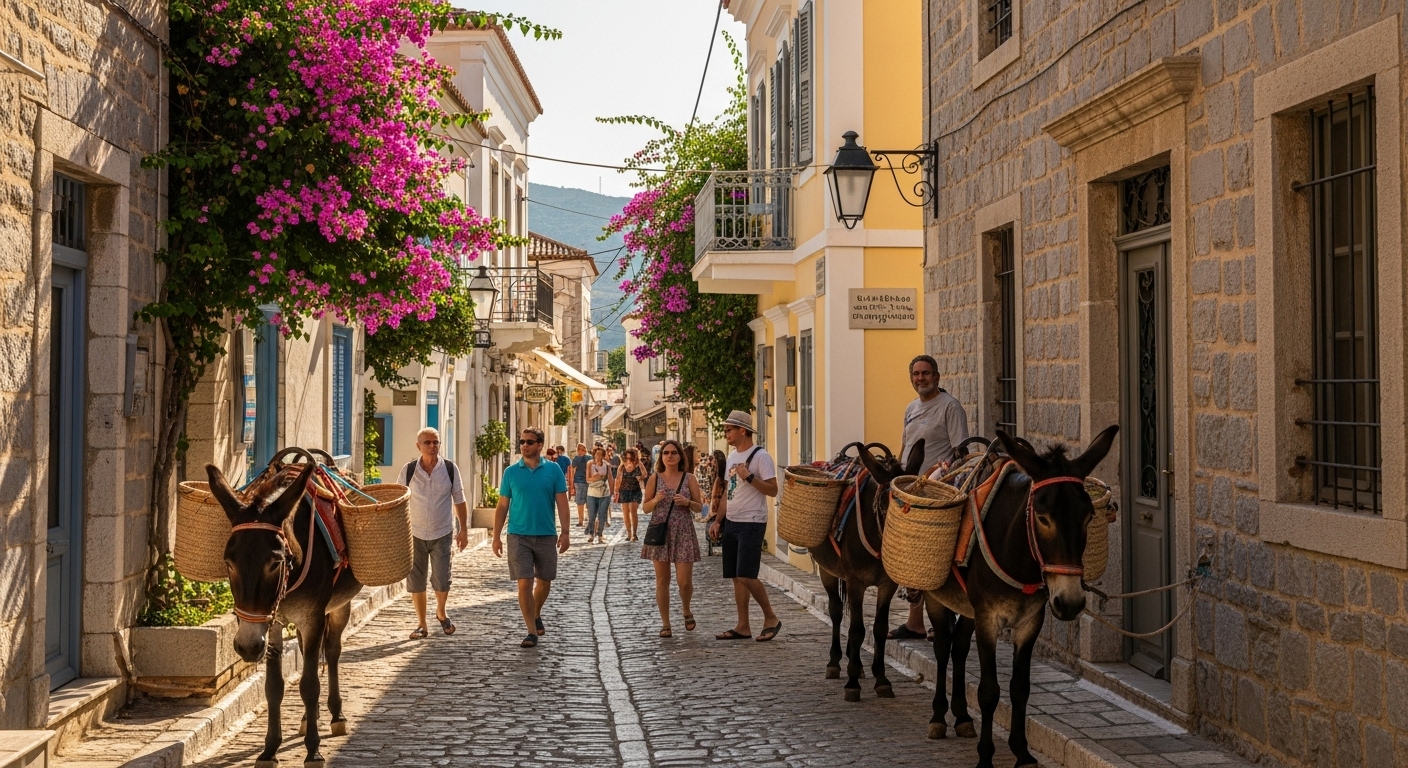
Imagine stepping onto an island where the streets remain free from the roar of engines, and the air smells of the ocean instead of exhaust fumes. Islands where cars are banned entirely give you this serene escape. These destinations combine tranquility, eco-consciousness, and cultural charm. From Europe to Asia, the islands preserve natural beauty and traditional lifestyles while providing modern amenities for visitors.
Why Some Islands Ban Cars
Many islands ban cars to protect the environment, safeguard historic streets, and promote sustainable tourism. With narrow streets and pedestrian-friendly paths, visitors rely on bicycles, small electric carts, or even horse-drawn carriages. Consequently, travelers move at a slower pace and fully appreciate the surroundings.
Have you ever wondered what it feels like to explore an island without worrying about traffic, parking, or noise? On these islands, walking, cycling, and using traditional transport methods become an immersive experience.
Top Islands Where Cars Are Banned Entirely
- Hydra, Greece: Hydra has prohibited motor vehicles since the early 20th century. Visitors walk, ride donkeys, or take boats to explore the picturesque streets and scenic harbor.
- Venice, Italy: Venice bans cars within its historic center. Travelers navigate the canals by boat or walk along charming pedestrian streets, enjoying the city’s unique architecture and vibrant culture.
- La Digue, Seychelles: This tropical paradise encourages bicycles, ox carts, and walking. Cars are nearly nonexistent, allowing visitors to explore pristine beaches and lush nature freely.
- Bannerman Island, Scotland: Some small Scottish islands prohibit cars, highlighting eco-tourism and heritage preservation. Walking paths and boat access make exploration peaceful and enjoyable.
- Mackinac Island, USA: Mackinac Island bans most motor vehicles. Horses, bicycles, and walking become the primary modes of transportation, giving tourists a historic and natural experience.

Benefits of Car-Free Islands
Exploring islands where cars are banned entirely provides several advantages for travelers and the environment. First, the islands reduce pollution and maintain natural beauty. Second, pedestrian-friendly roads increase safety and allow more relaxed exploration. Third, traditional transport methods like donkeys, bicycles, and boats immerse visitors in local culture. Finally, travelers enjoy slower tourism and unique photography opportunities without car traffic.
Challenges to Keep in Mind
Although car-free islands are magical, travelers may face practical challenges. For instance, transporting luggage and goods often requires boats or porters. Walking or cycling long distances may prove challenging for some visitors. Moreover, harsh weather can affect accessibility, especially for islands relying on boats. Lastly, some islands have limited infrastructure compared to car-friendly locations, so planning is essential.
Tips for Visiting Car-Free Islands
- Pack light since you might need to carry or transport luggage manually or via traditional methods.
- Rent bicycles or join guided tours to explore efficiently.
- Book accommodations and meals in advance, especially during peak seasons.
- Walk slowly to discover hidden spots, local shops, and scenic paths.
- Respect local traditions and environmental guidelines to preserve the island’s charm.
Visiting islands where cars are banned entirely offers a rare chance to disconnect from modern chaos. You can immerse yourself in natural beauty and local culture. Whether exploring the canals of Venice, cycling through La Digue, or walking the serene paths of Hydra, these islands show a slower, more mindful way of traveling.
Have you visited a car-free island, or is there one on your bucket list? Share your experiences and favorite islands in the comments below!
Follow us on our social media platforms for more travel stories, eco-friendly destinations, and unique experiences worldwide.
Catch up on the top stories and travel deals by subscribing to our newsletter!