Bathing has been a cornerstone of human culture for thousands of years. Ancient bathing cultures still practiced today connect us to history while promoting wellness, relaxation, and social bonding. From Japanese onsen to Roman-style thermal baths, these traditions continue to influence modern lifestyles and offer unique experiences for travelers and wellness enthusiasts alike.
The Enduring Appeal of Ancient Bathing Traditions
Humans have long sought the therapeutic and social benefits of bathing. These practices often combine hygiene, ritual, and relaxation. Many ancient cultures believed that water carried spiritual or healing properties. Today, travelers can experience these traditions firsthand, preserving centuries-old customs while enjoying modern amenities.
Have you ever wondered what it feels like to soak in the same waters that ancient civilizations cherished? Experiencing these traditions provides a direct link to history and a unique way to unwind and rejuvenate.
Notable Ancient Bathing Cultures Still Practiced
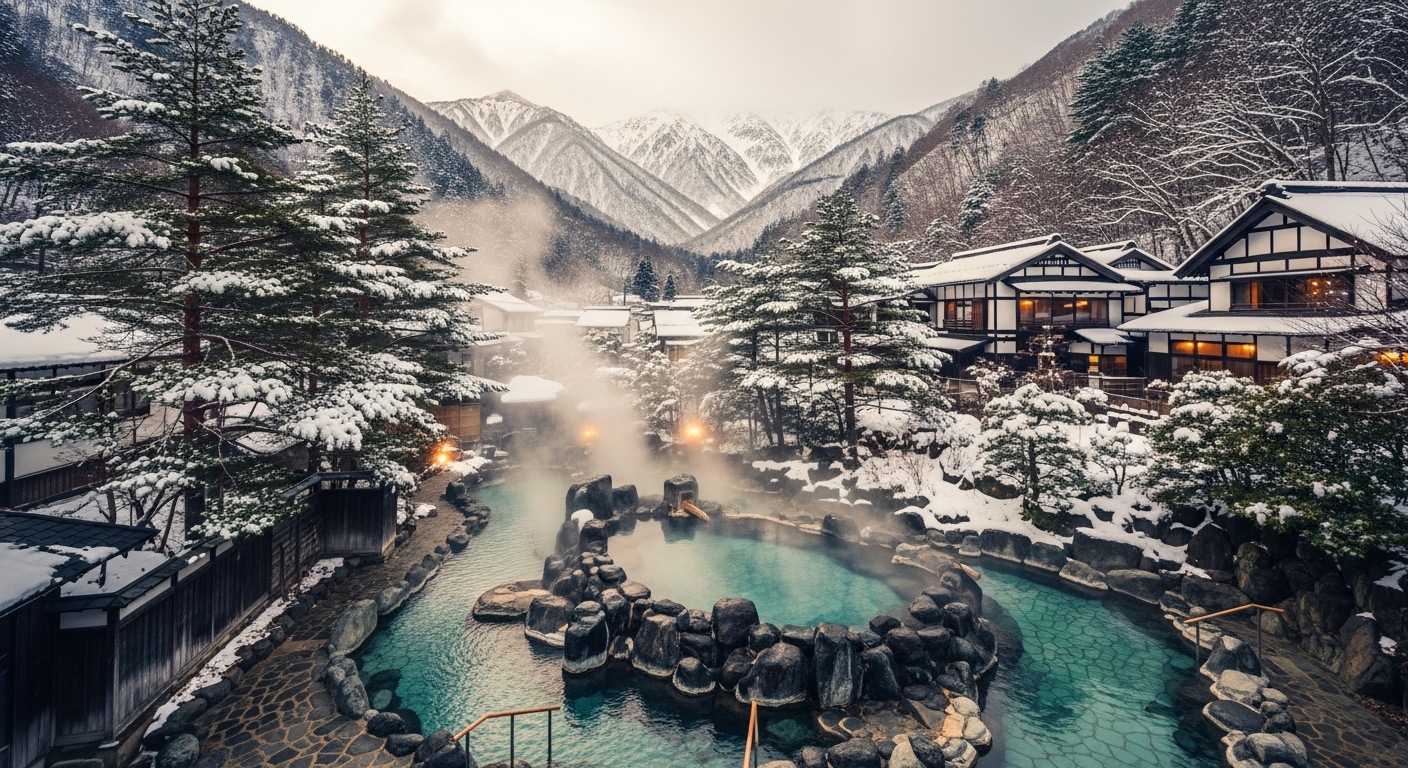
- Japanese Onsen: Onsen are natural hot springs found throughout Japan. Bathers enjoy mineral-rich waters that relax muscles, improve circulation, and foster mindfulness. The Japanese ritual emphasizes quiet reflection and respect for fellow bathers.
- Roman Baths: Inspired by the ancient Roman bathing tradition, modern spas in Italy and beyond replicate thermal pools, steam rooms, and massage therapies. Visitors follow the sequence of warm, hot, and cold baths, promoting wellness and social interaction.
- Turkish Hammam: The hammam, or Turkish bath, combines cleansing rituals, steam rooms, exfoliation, and massage. Rooted in Roman and Ottoman traditions, hammams remain popular in Turkey and around the world for their holistic health benefits.
- Korean Jjimjilbang: These large public bathhouses offer saunas, hot tubs, and relaxation areas. Jjimjilbangs combine bathing, socialization, and cultural rituals, reflecting centuries-old practices in Korean wellness culture.
- Nordic Sauna Traditions: Saunas have been central to Finnish and Nordic cultures for generations. Bathers alternate between hot steam sessions and cold plunges, promoting circulation, detoxification, and relaxation.

Benefits of Ancient Bathing Cultures
Practicing ancient bathing cultures still practiced today provides multiple benefits:
- Physical Health: Warm water, steam, and mineral content improve circulation, relieve muscle tension, and support skin health.
- Mental Wellness: Ritualized bathing encourages relaxation, mindfulness, and stress reduction.
- Social Connection: Many traditions emphasize communal experiences, fostering bonding and cultural exchange.
- Cultural Immersion: Participating in ancient bathing rituals provides insight into history, customs, and local practices.
- Holistic Healing: Some practices integrate massage, aromatherapy, and meditation for overall well-being.
Tips for Experiencing Ancient Bathing Cultures
- Research local customs and etiquette to respect traditional practices.
- Start with shorter sessions if you are new to saunas, hot springs, or steam baths.
- Stay hydrated before and after bathing, especially in hot environments.
- Consider guided experiences to fully understand the rituals and their benefits.
- Embrace the experience slowly, enjoying both the physical and mental relaxation aspects.
Challenges to Keep in Mind
While ancient bathing traditions are rewarding, they come with practical considerations:
- Some practices involve high temperatures that may not suit everyone; consult with a doctor if you have health concerns.
- Communal bathing may feel unfamiliar or uncomfortable for some visitors.
- Timing and scheduling are important, especially for popular onsen, hammams, and jjimjilbangs.
- Always follow hygiene and etiquette guidelines to preserve the experience for yourself and others.
Exploring ancient bathing cultures still practiced today allows travelers to connect with history, culture, and wellness. Whether soaking in Japanese onsen, indulging in a Turkish hammam, or relaxing in a Nordic sauna, these traditions provide relaxation, rejuvenation, and a unique cultural experience.
Have you experienced an ancient bathing ritual, or is one on your bucket list? Share your stories and favorite wellness traditions in the comments below!
Follow us on our social media platforms for more inspiring travel experiences, wellness journeys, and cultural stories from around the world.
Catch up on the top stories and travel deals by subscribing to our newsletter!