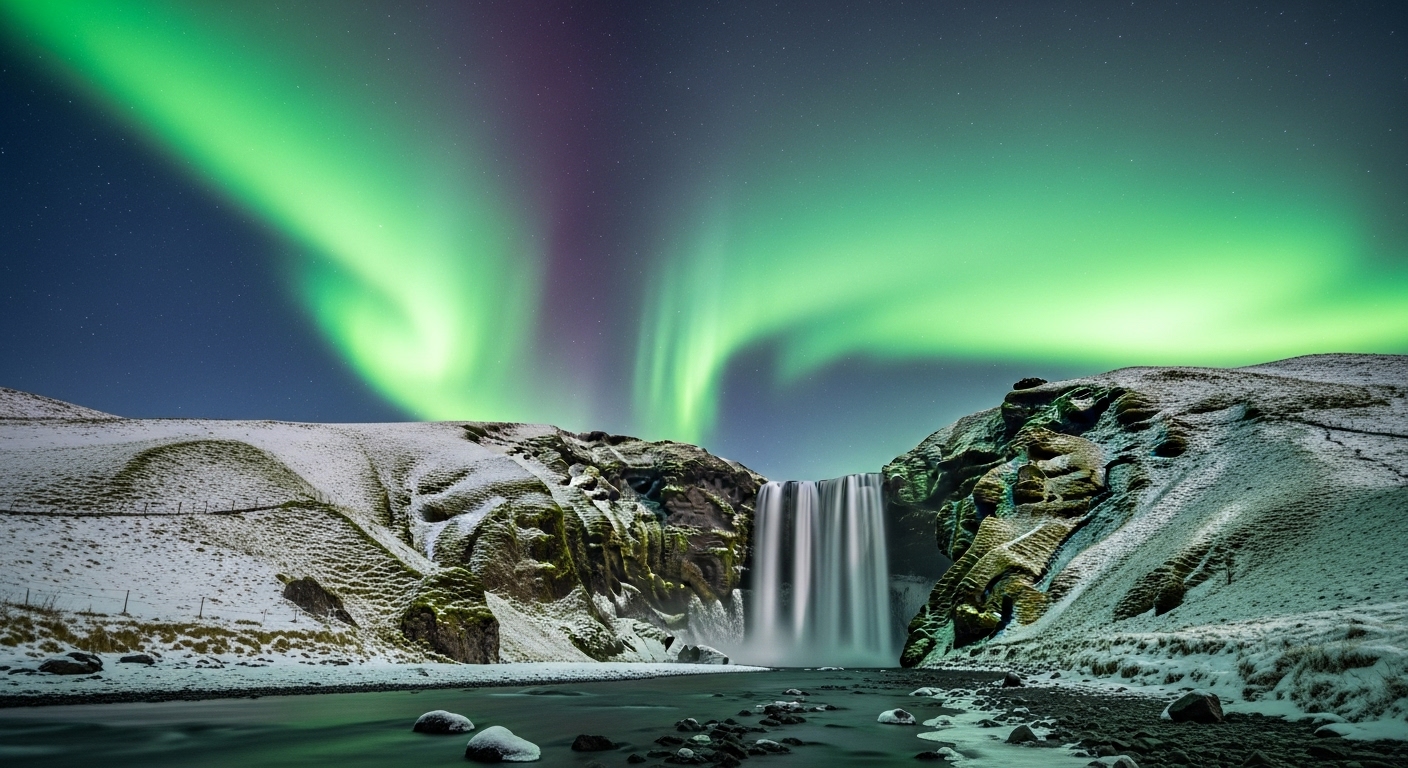
If you’ve ever dreamed of capturing the magical dance of the Northern Lights but felt discouraged by the idea of battling extreme cold, you’re not alone. Many people want to chase this breathtaking natural phenomenon, yet they hesitate because they imagine themselves shivering in sub-zero temperatures. That’s exactly why exploring the best destinations for aurora photography without freezing has become such a lifesaver for travel lovers and photographers alike. And guess what? These destinations DO exist. The lights aren’t only reserved for those willing to sacrifice their toes to frostbite. In fact, you can witness vibrant green, purple, and pink skies in places where you can comfortably enjoy the night without turning into an icicle.
In this blog, we’ll take a deep dive into surprisingly warm(er) aurora spots where you can enjoy the show, capture unforgettable photos, and stay cozy while doing it. We’ll also explore why these destinations work, when to visit, and how you can make your aurora-hunting adventure absolutely unforgettable. And while we’re on the topic—have YOU ever chased the Northern Lights before? If yes, where? And if not… what’s stopping you? We’d love to hear your thoughts in the comments below!
The Magic of Aurora Photography Without the Arctic Freeze
Auroras have a reputation for living exclusively in icy places like Alaska, Norway, or northern Canada. And while these regions are phenomenal (no argument there), not everyone wants to stand outside in -25°C winds waiting for solar activity. The exciting part is that different factors—like latitude, atmospheric conditions, and solar cycles—make it possible to catch auroras in places where temperatures remain surprisingly moderate. That’s why the idea of the best destinations for aurora photography without freezing has become increasingly popular among travelers looking for a comfortable yet memorable experience.
Whether you’re a seasoned photographer or a casual traveler with a smartphone, these locations offer the perfect balance: stunning views, mild weather, and easy accessibility. The best part? You don’t have to sacrifice photo quality. You’ll still capture those surreal, swirling lights—just without chattering teeth.
Iceland – Mild Winters, Wild Lights
It may seem surprising to see Iceland on a list of warmer aurora destinations, but its climate is far less harsh than most people expect. Thanks to the North Atlantic Current, Iceland’s winter temperatures typically hover between -1°C to 3°C (30°F to 37°F). That might not sound “warm,” but compared to the brutal Arctic Circle? It’s practically mild.
Iceland remains one of the best destinations for aurora photography without freezing because it combines luxury accommodations, easily accessible viewpoints, and dramatic landscapes. You’ll find waterfalls, black sand beaches, glaciers, and lava fields—all perfect for framing those green ribbons of light.
Another advantage of Iceland is how easy it is to escape light pollution. Drive just 20 minutes out of Reykjavik, and you’ll find yourself under an expansive sky with minimal interference. If you prefer comfort, many hotels outside the city provide aurora wake-up calls—so you can stay warm in bed until the show begins.
Scotland – A Surprisingly Cozy Aurora Escape
When you think of Scotland, you probably imagine castles, whiskey, dramatic cliffs, and moody landscapes. But auroras? That’s the twist most travelers don’t see coming. During intense solar activity, Scotland often witnesses the “Mirrie Dancers,” its local term for the Northern Lights. And the best part? Winters in Scotland are chilly but far from extreme, usually ranging from 0°C to 7°C.
The Scottish Highlands, the Isle of Skye, and even certain areas near Aberdeen are excellent for aurora viewing. Since the region sits slightly lower on the auroral oval, the lights aren’t guaranteed every night—but when they do appear, they can be incredibly vivid. You also get the added bonus of Scotland’s natural beauty—mountains, reflective lochs, and rugged coastlines that complement your photography beautifully.
Have you ever imagined capturing the Northern Lights above an ancient castle? Because Scotland is one of the only places where that dream can come true. It’s definitely a destination you don’t want to overlook.
Alaska’s Coastal Regions – Softer Temperatures, Harder Solar Activity
You might wonder: How can Alaska—known for its freezing weather—fit into the idea of the best destinations for aurora photography without freezing? The secret lies in its coastal regions. Areas like Anchorage or the Kenai Peninsula experience much softer temperatures than the interior thanks to ocean influence. Instead of soul-crushing -35°C nights, winters often sit between -5°C and -10°C.

This makes coastal Alaska a hidden gem for aurora seekers who want dramatic skies without the intense cold of Fairbanks or the Arctic Circle. You can enjoy open skies, excellent visibility, and vibrant auroras that frequently reach overhead. Anchorage in particular offers an ideal mix of civilization and wilderness—making it easy to chase the lights without compromising comfort.
Plus, Alaska’s long nights during winter mean more chances to see the lights. If you’ve never experienced 18 straight hours of aurora-hunting potential, this is your chance.
Faroe Islands – Where Wild Beauty Meets Mild Weather
The Faroe Islands are often overshadowed by Iceland, but they offer an equally stunning experience—minus the crowds. Surprisingly, the weather is milder than most northern destinations, with winter temperatures ranging from 3°C to 6°C. That makes it one of the best destinations for aurora photography without freezing for those who crave dramatic scenery.
Imagine towering cliffs, small villages built between mountains, and oceans crashing into the coastline—all under a glowing aurora. The Faroe Islands are remote, peaceful, and perfect for photographers who want cinematic compositions. However, the weather can be unpredictable and cloudy at times, so patience is key. But when the skies clear, the reward is unforgettable.
Sweden’s Southern Lapland – Aurora Views with Manageable Temperatures
If you want the classic Nordic aurora experience but prefer mid-range cold instead of bitter cold, Southern Lapland is a great option. Temperatures tend to range from -5°C to -12°C—cold, yes, but not painfully unbearable like the upper Lapland regions. This area offers more comfort, easier transportation, and plenty of warm lodges designed specifically for aurora lovers.
You can even book glass igloos, cabins with skylight ceilings, or heated bubble tents that allow you to watch the aurora from indoors. Southern Lapland is one of the most relaxing ways to enjoy the Northern Lights without spending hours outside freezing.
Yellowknife Lite: The Secret Warm Alternatives in Canada
Canada is often associated with harsh winters, but certain coastal regions—such as parts of British Columbia—offer aurora visibility with MUCH milder temperatures. While places like Yellowknife or Whitehorse are extremely cold, coastal B.C. provides a surprising alternative.
During strong solar storms, you can easily catch auroras near Vancouver Island, Tofino, or even the Sunshine Coast. Temperatures rarely dip too far below freezing. Imagine standing on a beach, listening to the waves, while a neon-green aurora dances above the horizon. It’s an entirely different vibe compared to snowy landscapes, and you’re more likely to stay warm while enjoying it.

Aurora Hunting Tips to Stay Comfortable and Capture Stunning Photos
Whether you’re heading to Iceland, Scotland, Alaska, or the Faroe Islands, comfort and preparation go hand in hand. Here’s how you can maximize your experience while photographing the auroras without freezing.
- Check solar forecasts regularly. Websites like NOAA and app-based trackers help you know the best times to head outside.
- Choose accommodations wisely. Pick places with quick access to dark skies, especially hotels offering aurora alerts.
- Pack smart layers—not extreme gear. Even warm destinations require light winter layers.
- Use a sturdy tripod. Aurora photography relies heavily on stability during long exposures.
- Practice camera settings beforehand. ISO, aperture, and shutter speed adjustments can make or break your shots.
- Stay patient. Auroras are unpredictable, but that’s what makes them magical.
Photography is not just about capturing a moment; it’s about feeling it. And when you’re comfortably warm, relaxed, and soaking in the beauty around you, your creativity flows naturally. That’s why these locations—warm(er), stunning, and accessible—make such a difference.
Why Warm Aurora Destinations Are Becoming More Popular
In recent years, social media has played a huge role in showcasing unique aurora vantage points. Travelers share videos from beaches, forests, small islands, and unexpected locations—proving that you don’t always need to travel to the Arctic to witness this beautiful phenomenon. With each solar cycle becoming more intense, even moderate-latitude locations are seeing brighter and more frequent displays.
This shift has sparked a growing trend: aurora tourism in comfortable climates. People love the idea of combining adventure with warmth. After all, who wouldn’t want to experience the Northern Lights without risking frostbite?
Warm destinations allow you to enjoy the full experience—exploring local culture, tasting new foods, sightseeing—all without being trapped indoors due to extreme winter temperatures. It’s the perfect blend of relaxation, exploration, and photography.
Which Destination Should You Choose?
With so many warm(er) locations offering incredible aurora opportunities, how do you decide where to go? It depends on what matters most to you.
- For dramatic landscapes: Iceland or the Faroe Islands.
- For accessibility and comfort: Alaska’s coastal regions.
- For culture and history: Scotland.
- For low-crowd, unique scenery: Faroe Islands.
- For mild temperatures near the coast: British Columbia.
Each location has its own charm. There is no wrong choice when the sky is lighting up with brilliant auroras. You just need to pick the place that aligns with your travel style.
Final Thoughts: Your Aurora Adventure Awaits
Now that you’re familiar with the best destinations for aurora photography without freezing, which one excites you the most? Do you want cozy cabins in Iceland? A historical Scottish castle setting? A quiet beach in Canada? Or the dramatic cliffs of the Faroe Islands?
Remember, the Northern Lights are more than just a natural wonder—they’re an experience. One that becomes even more memorable when you’re warm, comfortable, and fully present in the moment.
If you’ve ever captured the aurora before, share your experience in the comments! And if you’re planning a trip soon, let us know which destination you’re choosing and why. Your feedback and stories help inspire other travelers around the world.
For more helpful travel tips, guides, and photography inspiration, make sure to follow us on our social media platforms. We would love to have you as part of our growing WentWorld community!
Focus Keyphrase: Best Destinations for Aurora Photography Without Freezing
Catch up on the top stories and travel deals by subscribing to our newsletter!