Have you ever imagined standing on a glacier while surrounded by warm, tropical air? Sounds impossible, right? Yet it’s real — and fading faster than we ever expected. Tropical glaciers you can still visit are not only astonishing natural wonders but also living reminders of how quickly our planet is changing. They offer a breathtaking blend of mystery, science, beauty, and urgency. And the truth is simple: if you ever want to witness these icy giants in warm climates, the time to plan your trip is now.
Most people believe glaciers only exist in freezing polar regions like Antarctica or Greenland. But tucked between lush rainforests, towering volcanoes, and equatorial mountain ranges, a few resilient tropical glaciers continue to survive. These rare ice masses challenge our assumptions and remind us that the world is full of surprises. Ever heard of glaciers sitting almost directly on the equator? Or glaciers resting on top of volcanoes? If not, you’re about to enter a world that feels like it belongs in a fantasy novel.
Before we dive into each glacier, ask yourself — how often do you allow nature to completely surprise you? And when was the last time you visited a place that made you question everything you thought you knew about the planet? As you read through this guide, I’d love for you to reflect on that and share your thoughts at the end. Your perspective matters!
The Mystery of Tropical Glaciers You Can Still Visit
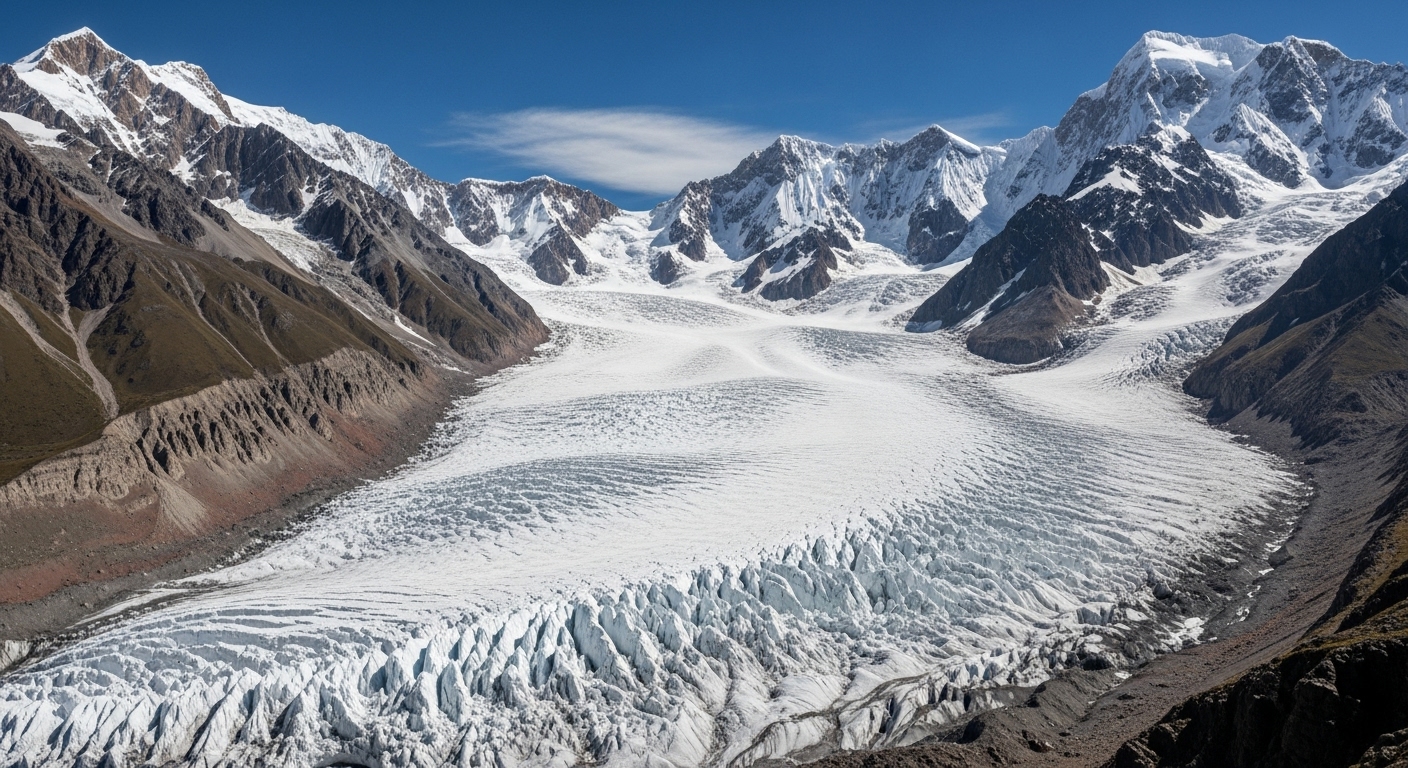
The idea of tropical glaciers seems contradictory. After all, “tropical” means warm, humid, and lush. Glaciers, meanwhile, require intense cold, high altitude, heavy snowfall, and minimal melting. So how do these two extremes meet? The answer lies in altitude. These glaciers sit on mountain peaks so tall that even the equator can’t keep them warm.
But here’s the heartbreaking part: the number of tropical glaciers you can still visit is shrinking rapidly. Over the past century, many have vanished entirely. Others are just years away from disappearing forever. Scientists predict that the world may lose all tropical glaciers within our lifetime. This makes visiting them not only a unique travel experience but also an emotional encounter with the realities of climate change.
In this long, immersive blog, we’ll explore where these glaciers are located, what makes each one unique, how to visit them, and why their survival matters more than ever. Whether you’re a traveler, photographer, student, nature lover, or simply someone seeking awe-inspiring landscapes, these glaciers deserve a place at the top of your bucket list.
1. The Majestic Quelccaya Ice Cap, Peru
Peru isn’t just home to Machu Picchu and the Amazon Rainforest — it also hosts the world’s largest tropical ice cap: Quelccaya. If you’ve ever dreamed of witnessing a vast stretch of ice under the bright sun of the tropics, this is one of the best tropical glaciers you can still visit.
Quelccaya sits in the Cordillera Vilcanota, southeast of Cusco, and spans nearly 44 square kilometers. That’s huge for a tropical glacier. Researchers call it one of Earth’s “climate alarm clocks” because it responds so sensitively to rising temperatures. Over the past few decades, it has shrunk dramatically, and predictions suggest it might disappear completely within the coming decades.
Reaching Quelccaya is an adventure in itself — rugged, remote, and incredibly rewarding. The landscape combines high-altitude grasslands, icy cliffs, and sweeping horizons that put life into perspective. Standing there, you feel both small and deeply connected to the planet.
But here’s something interesting: Quelccaya’s ice cores hold thousands of years of climate history. These natural “time capsules” reveal everything from past volcanic eruptions to ancient temperature fluctuations. When you walk on Quelccaya, you’re literally stepping on Earth’s memory.
2. Mount Kilimanjaro’s Iconic Glaciers, Tanzania
Kilimanjaro — Africa’s highest mountain — is one of the most famous places where you’ll find tropical glaciers you can still visit. Rising above the plains of Tanzania, Kilimanjaro’s glaciers have decorated the mountaintop for thousands of years. But their time is running out.
When explorers first documented Kilimanjaro’s ice fields in the late 1800s, the summit was covered in thick, shining ice. Today, less than 20% remains. Scientists estimate that the glaciers may vanish completely within the next 10–15 years. That means if Kilimanjaro is on your bucket list, this might be your last chance to see its icy crown before it melts away forever.
The experience of climbing Kilimanjaro is unforgettable. You start in tropical rainforests filled with monkeys and waterfalls, trek through moorlands and desert-like landscapes, and finally reach the icy summit — a journey through multiple climates in just a few days. Seeing glaciers at such high altitude, surrounded by African terrain, is surreal.

Whether you’re an experienced trekker or simply someone captivated by natural beauty, Kilimanjaro’s glaciers represent one of the most profound travel experiences available today.
3. Pastoruri Glacier, Peru — A Survivor in the Andes
Peru appears again — and for good reason. Pastoruri Glacier is one of the most accessible tropical glaciers you can still visit because it doesn’t require intense trekking. Located in the Cordillera Blanca range, Pastoruri attracts thousands of visitors each year who come to witness a glacier in the midst of rapid decline.
But there’s a twist: Pastoruri is no longer considered a “living glacier” by scientists. Its ice no longer accumulates enough snow to grow or sustain itself. In simple words, Pastoruri is dying. However, that’s exactly why people rush to see it — before it’s gone.
Walking through the glacier area, you’ll pass striking rock formations, turquoise lakes, and dramatic high-altitude vistas. The entire region feels like a natural museum exhibit — beautiful, precious, and fragile. And it raises an important question: How do we emotionally prepare for the loss of natural wonders we once thought would last forever?
4. Venezuela’s Last Glacier — La Corona on Pico Humboldt
Once home to several impressive glaciers, Venezuela is now left with just one: the tiny remnant on Pico Humboldt. This is one of the final tropical glaciers you can still visit in the northern Andes — but perhaps not for long.
La Corona, once covering over 450 hectares, now measures less than 2 hectares. That’s a shocking level of retreat. Scientists expect it to disappear completely within the next year or two. Imagine being among the last people on Earth to see Venezuela’s final glacier — what an emotional moment that would be.
Visiting Pico Humboldt isn’t easy. The trek is challenging and requires guidance, proper gear, and several days of hiking through cloud forests and rocky terrain. But reaching the glacier carries a weight that few travel experiences can match. It’s not just sightseeing — it’s witnessing the final chapter of a natural story.
5. The Glaciers of the Rwenzori Mountains, Uganda
If you’re searching for one of the most mystical tropical glaciers you can still visit, the Rwenzori Mountains — also known as the “Mountains of the Moon” — might be the most enchanting of all. Located along the border of Uganda and the Democratic Republic of Congo, this range hosts Africa’s other major tropical glaciers.
The landscapes here are unlike anything else on Earth. Moist, mossy forests with huge plants, mist-covered peaks, and rare wildlife create an almost otherworldly environment. Reaching the glaciers is a challenge, but the reward is indescribable. Once expansive, these glaciers have been shrinking significantly, and only thin remnants remain today.

The Rwenzori Mountains are ideal for photographers, adventurers, and people seeking a raw, untouched wilderness. But like the others, their glaciers won’t last much longer — making now the best time to experience them.
Why Are Tropical Glaciers Disappearing?
The rapid retreat of tropical glaciers is one of the strongest indicators of global warming. Unlike polar glaciers, tropical ones exist in extremely sensitive environments. Even a slight increase in temperature dramatically accelerates their melting.
Here are some major reasons behind their decline:
- Rising global temperatures
- Shifts in snowfall patterns
- Increased solar radiation in high-altitude regions
- Pollution and soot darkening the ice surface
- Long-term climate cycles accelerating melting
These glaciers play a crucial role in providing water to nearby communities, regulating local ecosystems, and maintaining natural balance. Losing them doesn’t just change the landscape — it affects people, biodiversity, and entire regions.
How Visiting Tropical Glaciers Helps
You might wonder: Does visiting these glaciers actually make a difference? Surprisingly, yes. Responsible tourism increases awareness, generates funding for conservation, and encourages governments to protect these shrinking wonders. When travelers show interest, organizations listen. When people share their experiences, awareness spreads. And when awareness spreads, action follows.
But it all starts with curiosity — with wanting to see something extraordinary before it’s gone.
Should You Visit These Glaciers?
Absolutely — but responsibly. If you’re someone who values meaningful travel experiences, these glaciers offer a rare combination of beauty, urgency, and emotional impact. They remind us that the world is full of wonders we can still protect if we act in time.
If you do visit, make sure you respect the environment, follow local guidelines, and leave no trace behind.
There are very few tropical glaciers you can still visit, and their time is quickly running out. Each glacier tells a powerful story — not only of nature’s beauty but of the consequences of human activity. Visiting them is more than travel; it’s witnessing history in the making.
Which glacier would you want to visit first? Have you already visited any of these incredible places? I’d truly love to hear your thoughts, experiences, and ideas. Feel free to leave your feedback and join the conversation — your voice matters.
If you enjoy learning about rare natural wonders like this, make sure to follow us on our social media platforms for more amazing content, travel inspiration, and global discoveries.
Catch up on the top stories and travel deals by subscribing to our newsletter!