The Mediterranean is home to some of the world’s most breathtaking coastlines, sun-kissed beaches, and crystal-clear waters. But hidden among these iconic vistas are the lesser-known wonders of human ingenuity: ancient fortified islands in the Mediterranean. These remarkable islands combine history, architecture, and natural beauty, telling stories of centuries-long conflicts, maritime empires, and civilizations that sought refuge above the waves.
Exploring these islands is like stepping into a living history book. Stone walls rise from the sea, towers watch over hidden harbors, and narrow cobbled streets wind through fortifications built to withstand both human and natural threats. At WentWorld, we believe that understanding these islands offers a glimpse not only into past societies but also into the strategic importance of the Mediterranean itself.
As you journey through this article, consider this: if you could walk along the battlements of an ancient island fortress, what stories of sailors, soldiers, and merchants would you imagine echoing through the stone corridors?
Why the Mediterranean Needed Fortified Islands (H2)
Throughout history, the Mediterranean Sea was not just a body of water but a vital artery for trade, culture, and military strategy. Empires rose and fell along its coasts, from the Phoenicians to the Romans, Byzantines, Venetians, and Ottomans. With wealth concentrated in port cities and islands, defending these territories became crucial.
Fortified islands were built for multiple reasons:
- Military Defense: To prevent invasions from rival empires or pirates.
- Control of Trade Routes: Strategic positioning allowed empires to monitor and tax commerce.
- Safe Havens: Refuge for populations during times of war or disease outbreaks.
- Symbol of Power: Fortifications showcased dominance and wealth.
By constructing these islands, civilizations not only protected their territories but also shaped maritime history in ways that continue to influence architecture and urban design today.
Malta: The Jewel of Fortified Islands
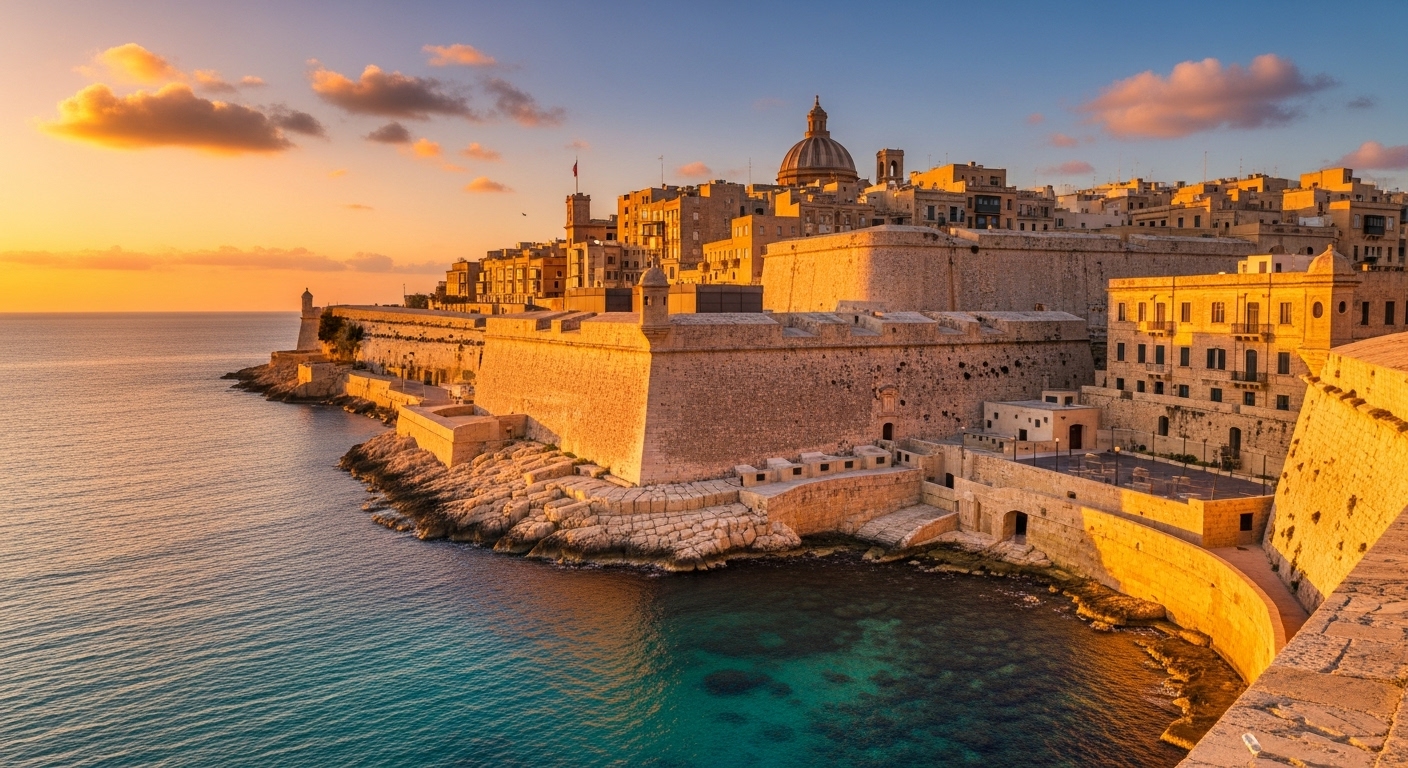
Malta is perhaps the most famous example of ancient fortified islands in the Mediterranean. This small island nation boasts walls, bastions, and fortresses built over centuries by the Knights Hospitaller, the Romans, and later European powers. Valletta, Malta’s capital, is a UNESCO World Heritage Site, with fortifications that rise dramatically from the sea.
The Grand Harbour, protected by thick walls and watchtowers, exemplifies how strategic planning turned Malta into a near-impenetrable stronghold. Walking along these ancient fortifications today, visitors can imagine the sieges, cannon fire, and diplomatic negotiations that once shaped the island’s destiny.
Greece: Spinal Islands of Defense and Culture
Greece’s Aegean and Ionian seas are dotted with islands that served as fortified outposts. Islands such as Rhodes and Kastellorizo combine natural cliffs with human-engineered defenses. Rhodes, for example, was home to the Knights of St. John and features massive city walls, moats, and citadels that protected the island from both Ottoman invasions and pirate raids.
Walking through Rhodes’ old town, travelers encounter narrow lanes, ancient gates, and fortified harbors that preserve the echoes of military strategy, commerce, and everyday life over centuries. Kastellorizo, smaller yet no less fortified, offers an intimate glimpse into how remote islands played key roles in broader geopolitical struggles.

Italy: Sicily and the Islands of Fortress Legacy
Italy’s Mediterranean islands, including Sicily, Lipari, and Elba, carry the legacy of fortified settlements. Mountaintop fortresses overlooked harbors, while coastal bastions ensured control over trade and defense. Sicily, in particular, blends Greek, Roman, Norman, and Spanish influences in its fortifications, creating a multi-layered historical experience for visitors.
These islands remind us that Mediterranean fortifications were not uniform. Builders adapted to local topography, climate, and threats. Rocky cliffs became natural walls, while harbors were reinforced with man-made bastions, combining aesthetics and functionality in ways that still impress architects and historians today.
France: The Fortified Gems of the Mediterranean Coast
While often associated with mainland France, the Mediterranean coast features fortified islands like Île Sainte-Marguerite near Cannes and Île d’If near Marseille. Île d’If, immortalized in Alexandre Dumas’ “The Count of Monte Cristo,” was both a fortress and a prison, designed to isolate and protect. These islands demonstrate the dual nature of Mediterranean fortifications — defense and containment.
The stone walls rise from turquoise waters, blending seamlessly with natural landscapes while offering dramatic vistas of the surrounding coast. Visiting these sites provides insight into military strategy, architecture, and literature inspired by real historical events.

Spain: Balearic Islands’ Fortified Past
The Balearic Islands, including Mallorca, Menorca, and Ibiza, also feature fortified settlements. Towers, bastions, and walls were built to protect against pirates and rival kingdoms. Ibiza’s old town, Dalt Vila, is a UNESCO World Heritage site and a prime example of Renaissance fortification. Its cobbled streets, bastions, and gates invite travelers to step back in time while enjoying panoramic sea views.
Menorca’s fortresses, often located at strategic points along the coast, illustrate how military architecture adapted to the unique needs of each island. These fortified islands not only protected residents but also shaped urban culture, trade, and even art.
Why Ancient Fortified Islands Are Fascinating to Explore
What makes ancient fortified islands in the Mediterranean so captivating is not just the stone walls or towers — it’s the stories they tell. Each island represents layers of human ingenuity, resilience, and adaptation:
- Architecture and Engineering: Techniques used to resist sieges or earthquakes.
- History: Battles, diplomacy, and maritime trade that shaped regional power.
- Culture: How island communities developed under protection of fortifications.
- Nature: Many fortified islands integrate cliffs, harbors, and natural landscapes into their defensive designs.
Walking along ancient walls, you can almost hear the whispers of soldiers, merchants, and citizens who once depended on these structures for survival.
Challenges of Preserving Fortified Islands
Preservation of ancient fortified islands is a complex task. Saltwater corrosion, erosion, tourism pressures, and urban development threaten these historic treasures. Governments, UNESCO, and local communities collaborate to maintain, restore, and protect fortifications while balancing tourism and local life.
Visitors today must respect these fragile sites, following guidelines to minimize wear and tear, and appreciating that each wall and bastion represents centuries of history.
Tips for Visiting Ancient Fortified Islands
If you plan to explore these islands, here are some helpful tips:
- Plan Your Route: Identify key fortresses and historical sites to maximize your visit.
- Hire a Guide: Local guides offer historical context and hidden insights.
- Timing: Visit during off-peak hours or seasons to avoid crowds.
- Photography: Early morning or late afternoon light provides the best views.
- Respect the Sites: Follow signage and avoid climbing fragile walls.
Combining these strategies allows travelers to appreciate not only the architecture but also the stories and landscapes that fortified these Mediterranean islands.
Modern Life on Ancient Fortified Islands
Today, many of these islands are vibrant communities. Cafes, small hotels, museums, and local markets coexist with ancient fortifications. Residents live within walls that once kept them safe from sieges, pirates, or foreign invaders. This unique blend of history and modern life offers a travel experience unlike any other.
Visitors can dine overlooking harbors once guarded by cannons, stroll through cobbled streets built centuries ago, and enjoy sunsets from bastions that once served as lookout posts. Ancient fortified islands remain living spaces, not just museums.
Ancient fortified islands in the Mediterranean serve as more than tourist attractions. They remind us of human resilience, the importance of strategic thinking, and the interplay between nature and civilization. They also encourage sustainable tourism and historical education, showing that travel can be both enjoyable and enlightening. They challenge us to think about the relationship between security, geography, and urban design — lessons that are still relevant in the modern world.
Imagine standing atop a fortress wall overlooking the Mediterranean Sea. Waves crash against cliffs, gulls circle overhead, and the streets below hum with modern life. How would you feel knowing that centuries of history unfolded on the very stones beneath your feet?
Have you visited ancient fortified islands in the Mediterranean? Which island left the strongest impression, and why? Share your experiences with us. WentWorld is always eager to hear from travelers who explore history in extraordinary ways. If these stories inspire your curiosity about historical wonders and hidden gems, follow WentWorld on our social media platforms for more explorations that bring history, adventure, and culture to life.
Catch up on the top stories and travel deals by subscribing to our newsletter!