Urbanization has rapidly transformed our planet. However, while city skylines may impress, they often come at the expense of wildlife habitats. The concept of urban forest corridors reconnecting wildlife is gaining attention as an innovative solution to this environmental challenge. These green pathways are more than just parks—they are essential routes that allow animals to survive, move, and interact with nature even within heavily populated areas. In this blog, we will explore why urban forest corridors are so important, how they work, their benefits, and what you can do to help. Have you ever wondered how birds, foxes, or even insects find their way through cities? Let’s explore this together.
Understanding Urban Forest Corridors and Why They Matter
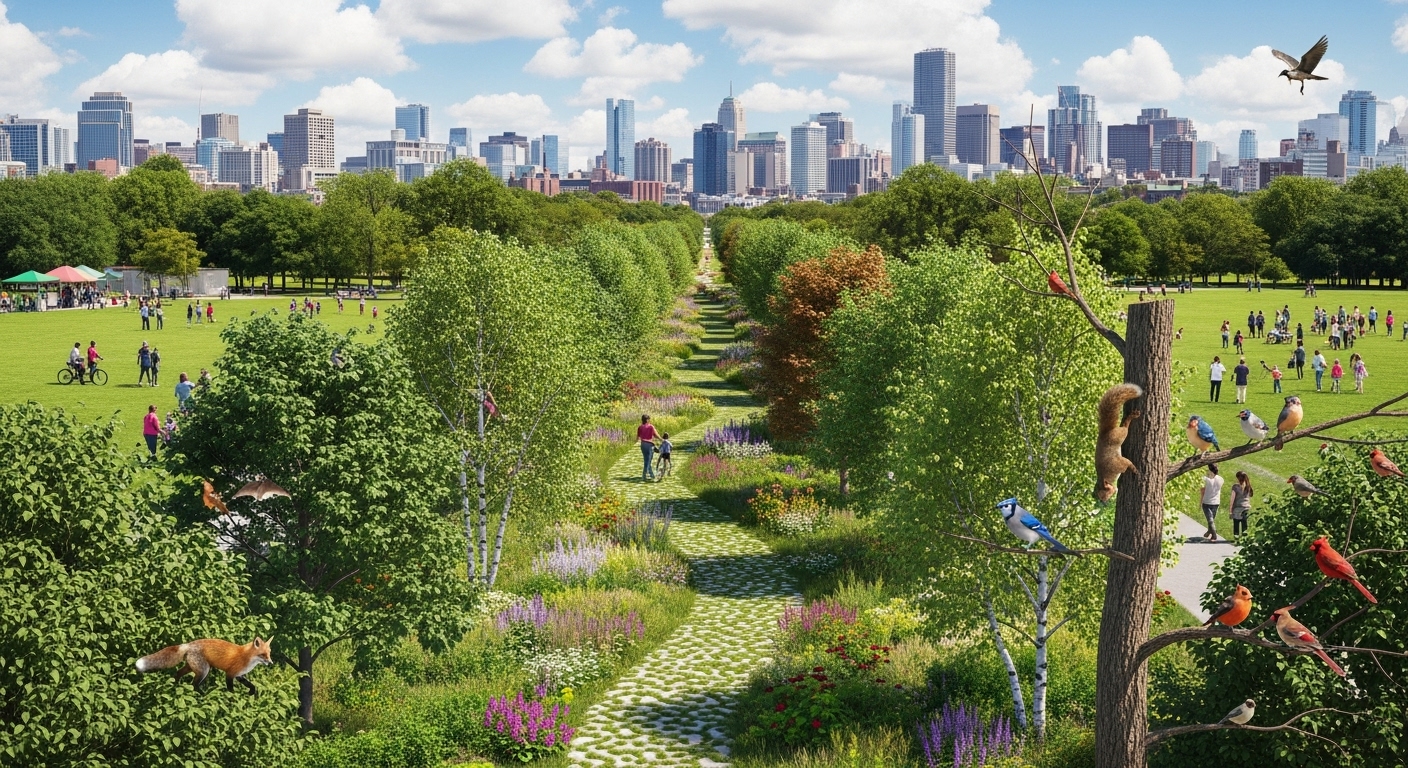
Urban forest corridors, sometimes called wildlife corridors, are strips of green spaces that connect isolated parks, forests, or natural habitats within or near cities. Unlike small parks, these corridors provide continuous habitats that allow wildlife to move safely and maintain healthy populations. According to National Geographic, habitat fragmentation is a major reason many species face declining numbers.
Without corridors, animals must navigate dangerous urban areas filled with roads, buildings, and human activity. As a result, mortality rates increase, access to resources decreases, and local extinction risks rise. Imagine a family of foxes trying to cross several streets just to reach a park—the danger is very real. This is why urban forest corridors reconnecting wildlife are so critical.
How Urban Forest Corridors Work
The concept is simple, yet highly effective. Corridors act as safe passageways for wildlife, often using trees, shrubs, wetlands, and small water bodies. Some cities are now using green rooftops and tree-lined streets to connect fragmented habitats. In this way, animals can move freely between homes, parks, and other resources, which is essential for their survival.
Moreover, many corridors serve humans as well. They improve air quality, reduce urban heat, and offer relaxing spaces for recreation. Cities like Singapore have developed park connector networks that benefit both wildlife and people.
The Benefits of Urban Forest Corridors
Urban forest corridors provide many advantages. Firstly, they increase biodiversity. By connecting habitats, species can interbreed and maintain strong populations. The World Wildlife Fund notes that biodiversity supports cleaner air, pollination, and climate balance.
Secondly, corridors help cities cope with climate challenges. Trees absorb carbon dioxide, reduce heat islands, and lower energy costs. Additionally, integrating wetlands and permeable landscapes improves water management and prevents flooding.
Finally, corridors enhance human wellbeing. Green spaces lower stress, encourage exercise, and create peaceful urban retreats. In other words, they benefit both wildlife and people at the same time.
Examples of Urban Forest Corridors in Action
Several cities around the world are leading the way:
- Singapore: The city has created park connectors and elevated walkways linking green areas, proving that urban biodiversity is possible even in a dense city.
- Toronto, Canada: The Urban Forest Strategy links parks and forests to benefit wildlife and citizens alike.
- San Francisco, USA: Projects like the Bay Area Green Corridor reconnect habitats for bird migration along the Pacific Flyway.
- Berlin, Germany: The city integrates green corridors in urban planning, allowing species to move safely between forests and rivers.

Challenges in Creating Urban Forest Corridors
While these corridors are beneficial, there are challenges. For example, land availability in cities is limited. In addition, funding and maintenance can be expensive. Human-wildlife conflicts may also arise if animals venture close to homes. Lastly, roads and buildings can fragment corridors, but solutions like wildlife overpasses and tunnels can help.
Even individuals can make a difference. Participate in tree-planting events, support green infrastructure policies, reduce litter, and educate your neighbors about wildlife corridors. Volunteering with organizations like Conservation International can also create a positive impact. Imagine if every community added small green pathways connecting larger parks—the effect on wildlife and humans would be remarkable.
Technology and Urban Forest Corridors
Technology is improving corridor design. GIS mapping, drones, and AI help track wildlife and plan optimal routes. Some airlines fund urban forestry to offset carbon emissions. Consequently, data-driven decisions make corridors more efficient and adaptive to city growth.
Community Involvement and Education
Communities play a critical role. Schools, workshops, and online campaigns raise awareness about the benefits of green corridors. Citizen science projects allow residents to track wildlife and foster a sense of stewardship. So, have you noticed green patches or small parks in your city where wildlife gathers? Share your experiences with us and join the movement to reconnect urban wildlife.

The Future of Urban Forest Corridors
Urban forest corridors have immense potential. Future designs may include vertical gardens, green bridges, smart lighting to protect nocturnal species, and urban wetlands. By integrating nature into cities, humans and wildlife can coexist more harmoniously. Every effort to protect and expand these corridors contributes to healthier ecosystems and happier communities.
The importance of urban forest corridors reconnecting wildlife is clear. They protect habitats, support biodiversity, and improve human life. Cities must prioritize green connectivity in planning. Your involvement matters—whether through advocacy, volunteering, or simply protecting local green spaces. What steps can your city take to create more wildlife corridors? Share your thoughts and experiences with us. Follow us on our social media platforms to stay informed and engaged.
Catch up on the top stories and travel deals by subscribing to our newsletter!