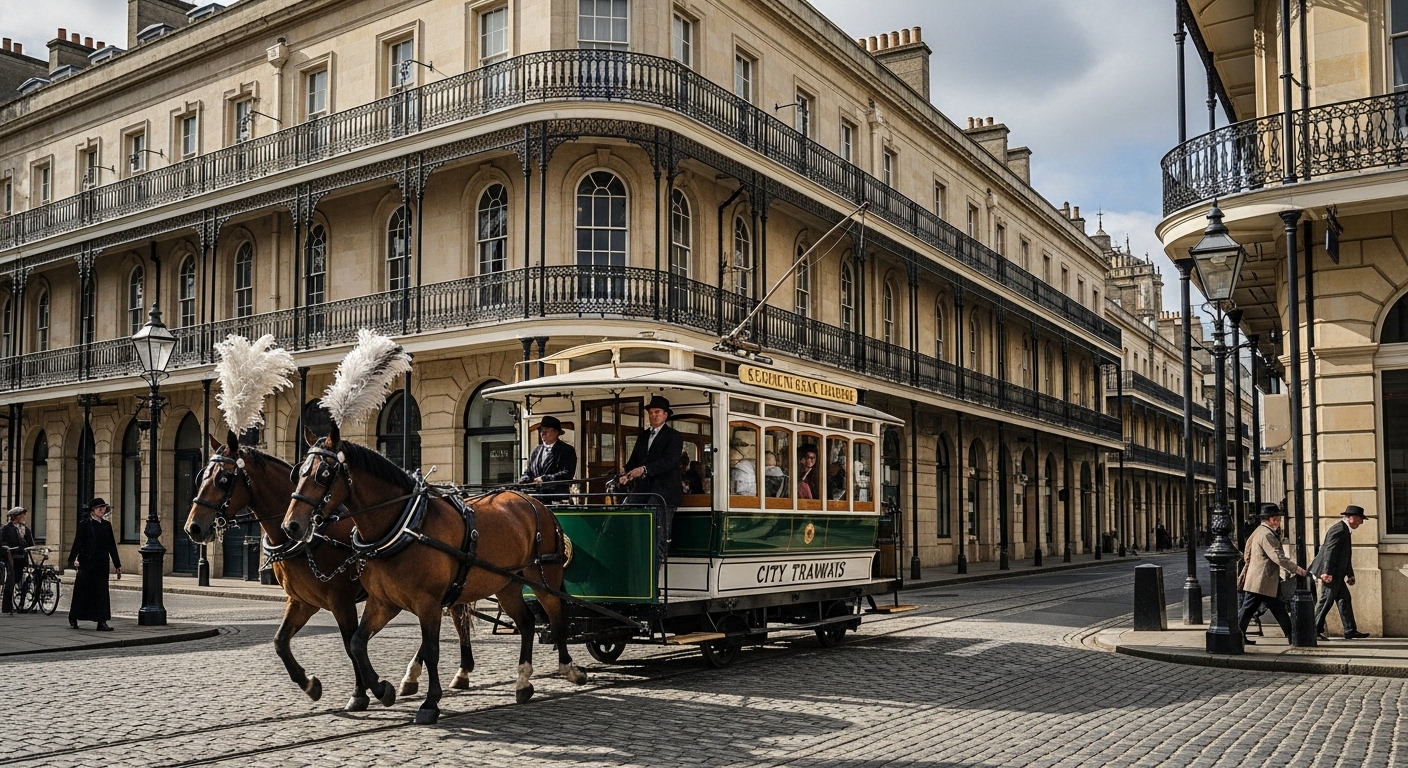
Imagine walking through a city where the clop of hooves echoes down cobblestone streets, and the gentle sway of a wooden tram carries you past centuries-old architecture. Welcome to the world of cities that still use horse-drawn trams — rare pockets of history where modern traffic takes a backseat, and the charm of a bygone era comes alive. These cities are not just tourist attractions; they are living museums that allow visitors to experience travel as it was a hundred years ago.
Horse-drawn trams are not just quaint; they are a testament to urban heritage and sustainable transit. From Europe to Asia, a handful of cities preserve this unique mode of transport, offering a serene, nostalgic alternative to modern cars, buses, and metro systems.
But why do travelers flock to these cities? What makes riding a horse-drawn tram so magical, and which places still honor this tradition? Let’s dive deep into this fascinating world of cities that still use horse-drawn trams and explore why history, charm, and sustainability converge in these extraordinary urban experiences.
The Timeless Appeal of Horse-Drawn Trams
Horse-drawn trams evoke nostalgia and wonder because they move at a pace that modern life rarely allows. Instead of rushing through traffic, passengers can savor every street corner, notice intricate facades, and engage with locals. This slower rhythm creates an intimate connection with the city’s heritage.
Unlike regular trams, these horse-powered vehicles require care, precision, and respect for both animals and historical equipment. Riding one is not just transportation — it’s a lesson in history and patience.
Where Can You Still Ride a Horse-Drawn Tram?
Globally, very few cities have maintained these iconic vehicles. Some of the most notable include:
- Lisbon, Portugal: The city’s historical tram lines still feature a few preserved horse-drawn carriages, offering scenic views of hills and historic neighborhoods. Learn more about Lisbon’s trams at Visit Lisboa.
- San Francisco, USA: Although primarily famous for its cable cars, the city preserves horse-drawn tram replicas for tourists in select historic districts. The SFMTA provides insights into their historical transport heritage.
- Vienna, Austria: Vienna maintains horse-drawn trams along the Ringstraße during special events and festivals. The Austrian National Tourist Office provides more historical context at Austria.info.
- Hamburg, Germany: A few heritage lines operate in select areas, offering a glimpse into 19th-century urban life. Check out Hamburg Travel for schedules and events.
- Mexico City, Mexico: Some preserved horse-drawn tram lines operate in cultural districts during festivals or as tourist experiences.
These locations show how cities can preserve historical charm while still functioning in a modern urban landscape.

Experiencing a Horse-Drawn Tram Ride
Riding a horse-drawn tram is unlike any other form of urban transit. The experience starts with the distinctive sound of hooves on cobblestones and the creak of wooden wheels. There’s a gentle sway as the tram moves along its tracks, giving you time to take in the surrounding architecture and atmosphere.
Passengers often describe a feeling of serenity and nostalgia. Conversations slow down, photography becomes more intentional, and the rhythm of the city seems to synchronize with the tram’s pace. It’s also an excellent way to learn about a city’s history, as tram conductors often share stories about landmarks along the route.
Why Cities Maintain Horse-Drawn Trams
Maintaining horse-drawn trams is not about practicality; it’s about heritage, culture, and tourism. These trams act as moving museums, reminding residents and visitors alike of the evolution of urban transport.
Preserving horse-drawn trams also has environmental benefits. They represent a form of transport with minimal carbon footprint compared to motorized vehicles. While limited in capacity, they demonstrate a sustainable and historical method of moving people through urban spaces.
For travelers interested in sustainable tourism, riding a horse-drawn tram is an immersive lesson in blending history with environmental mindfulness.
Tips for Riding Horse-Drawn Trams
If you plan to ride a horse-drawn tram, consider the following tips:
- Check operational schedules, as many trams run only on weekends or during specific tourist seasons.
- Respect the animals; do not feed or touch them without guidance.
- Bring comfortable clothing and shoes suitable for cobblestone streets.
- Engage with the conductor to learn interesting historical facts.
- Arrive early to secure seats, as some routes are very popular with tourists.
Have you ever wondered what it feels like to step back into the 19th century without leaving a modern city? Horse-drawn trams make it possible.

Preserving History Through Tourism
Many of the cities that still use horse-drawn trams do so because of the cultural and tourism value they bring. Visitors often share their experiences widely, inspiring further preservation. Museums, city councils, and tourism boards collaborate to maintain these trams, train operators, and educate the public about their historical significance.
Traveling in these cities becomes more than sightseeing; it’s a lesson in urban evolution, historical transport, and the connection between human innovation and animal-powered systems. You not only enjoy the ride but gain an appreciation for how cities evolved over centuries.
Unique Festivals and Events Featuring Horse-Drawn Trams
Some cities feature horse-drawn tram events during festivals or historical commemorations. Vienna’s Ringstraße events and Lisbon’s heritage tram festivals allow visitors to experience multiple tram types, including horse-powered ones. These events often include guided tours, traditional music, and food, making the experience richer and more immersive.
Would you attend a festival just to ride a horse-drawn tram, or is a regular sightseeing ride enough for your bucket list?
Horse-drawn trams may be ancient in design, but their charm is timeless. They allow modern travelers to disconnect, slow down, and experience a form of urban mobility that predates automobiles, electric trams, and buses. In a fast-paced world, such experiences become increasingly rare and treasured.
So next time you plan a trip, consider seeking out cities that still use horse-drawn trams. You’ll discover a side of urban life that few modern tourists ever see — slow, charming, and surprisingly moving.
If this journey sparked your curiosity, share your thoughts! Would you ride a horse-drawn tram, or do you prefer modern transport? Follow WentWorld on our social media platforms for more unique travel experiences, historical explorations, and insider tips from around the globe.
Catch up on the top stories and travel deals by subscribing to our newsletter!