Have you ever visited a city and wondered why it seemed to carry two identities at the same time? Traveling to cities with dual names and cultures offers a fascinating glimpse into history, politics, and human resilience. These cities often have official names, local names, or historical designations that coexist with current cultural realities. From architecture to cuisine, language to festivals, dual-name cities invite travelers to explore multiple layers of life in a single destination.
Visiting such cities can feel like stepping into a living museum. You might hear one language on street signs, another in local conversations, and still another in historical references. Every corner tells a story of migrations, occupations, treaties, and cultural blending. By exploring these cities, travelers get to experience a richer, deeper perspective of human history and cultural diversity.
Why Cities Develop Dual Names and Cultures
Many factors contribute to cities having dual names and cultures. Colonial history, border changes, and diverse ethnic populations all play a role. Some cities have names in multiple languages due to historical rule by different empires. Others reflect the coexistence of indigenous and immigrant communities. Dual naming often signifies respect for history while acknowledging contemporary realities.
For travelers, this duality provides both challenges and rewards. Maps may display one name, locals another. Cuisine, festivals, and daily customs might reflect a blend of influences. Understanding this complexity enriches the travel experience and encourages curiosity and empathy.
Famous Cities With Dual Names and Cultures
1. Istanbul / Constantinople, Turkey
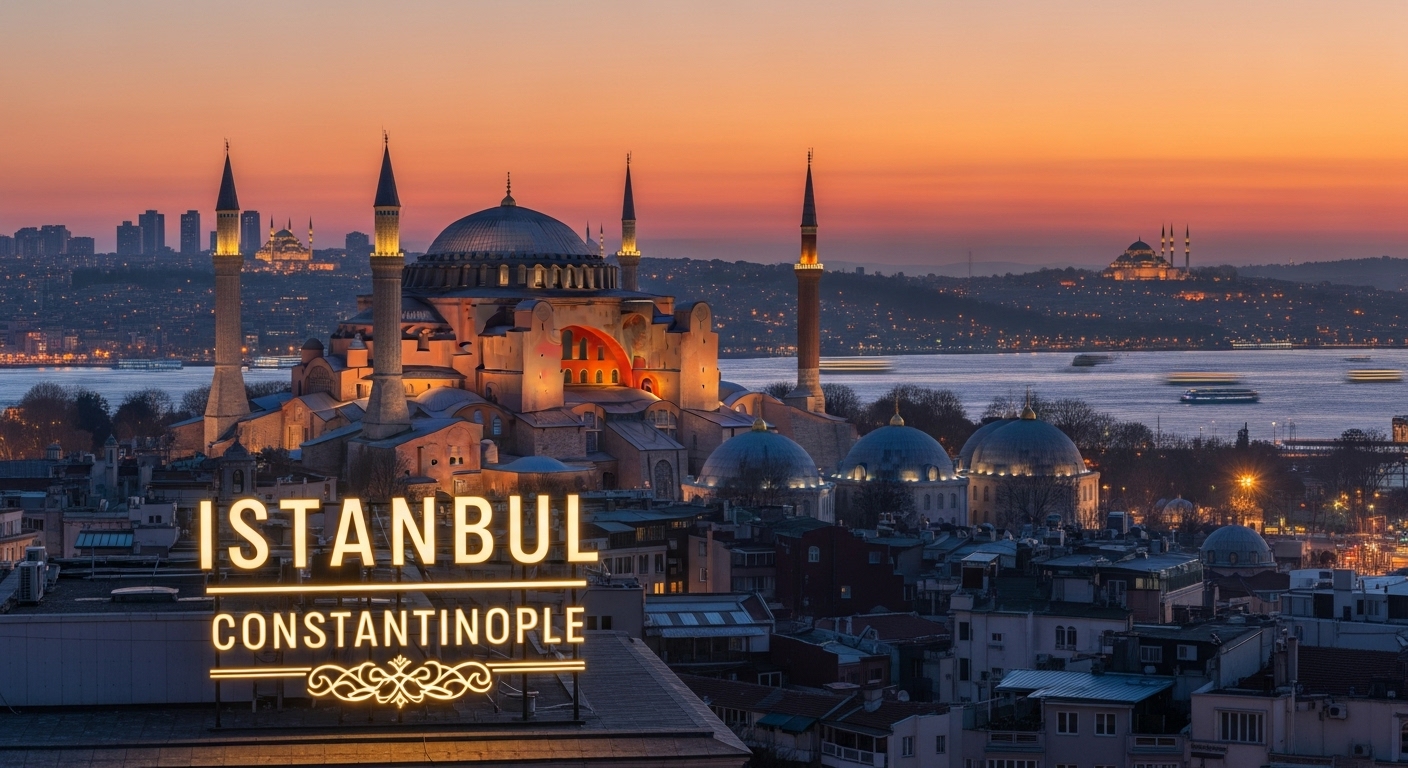
Istanbul, historically known as Constantinople, is a city where cultures, religions, and histories intersect. For centuries, it was the capital of the Byzantine Empire and later the Ottoman Empire. Its dual identity is visible in the Hagia Sophia, a structure that has served as a church, mosque, and now museum. Street signs, historical plaques, and guidebooks often reference both names, emphasizing the city’s layered past.
Travelers can stroll along the Bosphorus, sample Turkish delights, and explore bazaars while contemplating the city’s long-standing multicultural heritage. More on Istanbul history can be found at Lonely Planet Istanbul Guide.
2. Mumbai / Bombay, India
The city officially known as Mumbai was called Bombay during colonial rule. Today, both names are still used interchangeably, with Bombay evoking nostalgia and Mumbai representing local identity. Mumbai’s dual cultural identity is reflected in Bollywood films, colonial-era architecture, street food, and regional festivals.
Cycling through the streets or visiting local markets offers a sense of the city’s layered personality. From British Raj-era buildings to modern skyscrapers, Mumbai/Bombay is a living example of how cities evolve while retaining traces of their past.

3. Ho Chi Minh City / Saigon, Vietnam
Formerly known as Saigon, Ho Chi Minh City is Vietnam’s largest metropolis and a hub of energy and commerce. While Ho Chi Minh City is the official name, locals and tourists often refer to it as Saigon, especially when talking about historical districts, cuisine, and nightlife.
The city is a blend of French colonial architecture, Vietnamese culture, and modern skyscrapers. Cycling along the Saigon River or exploring local street food markets, travelers experience both historical and contemporary layers. For historical insights, check Vietnam Online Guide.
4. Gdańsk / Danzig, Poland
Gdańsk, also historically known as Danzig, is a Polish port city on the Baltic coast. Its dual identity stems from shifting borders and complex European history. Visitors can explore Gothic churches, colorful merchant houses, and museums that highlight centuries of multicultural influence.
The city’s name changes reflect its storied past under Polish, Prussian, and German control. Experiencing both names enhances travelers’ understanding of historical continuity and change in Central Europe.
5. Jerusalem / Al-Quds, Israel / Palestine
Jerusalem, known as Al-Quds in Arabic, is a city sacred to multiple religions, including Judaism, Christianity, and Islam. Its dual name represents both political and cultural significance. Traveling here involves exploring ancient sites like the Western Wall, Al-Aqsa Mosque, and the Church of the Holy Sepulchre.
Walking the Old City streets, travelers encounter a mosaic of cultures, languages, and traditions. Respectful exploration allows visitors to appreciate the depth of cultural heritage in cities with dual identities.
The Cultural Experience in Dual-Name Cities
Traveling to cities with dual names and cultures means embracing diversity. You can sample multiple cuisines, hear different languages, and witness unique festivals. Street art, historical buildings, and local crafts often reflect these layered identities. Travelers are encouraged to interact with locals, try authentic meals, and attend cultural events to fully appreciate the blend of influences.
Practical Tips for Travelers
- Research both names before visiting, as maps, guides, and locals may use either.
- Learn basic phrases in the dominant local languages to enhance interactions.
- Visit historical sites and museums to understand the city’s dual heritage.
- Try local foods from both cultural influences.
- Respect local customs and religious practices, especially in culturally sensitive areas.
The Benefits of Traveling to Dual-Identity Cities
Exploring cities with dual names and cultures encourages travelers to broaden their perspective, appreciate cultural diversity, and understand historical complexity. These cities offer opportunities for learning, photography, culinary exploration, and cultural immersion. They challenge travelers to navigate complexity while rewarding them with rich, unforgettable experiences.
Challenges and Considerations
Travelers may face challenges such as confusing signage, political sensitivities, or different legal systems within the city. Awareness and preparation are key. Guided tours, local guides, and careful planning can help mitigate potential difficulties while enhancing the travel experience.
Traveling to cities with dual names and cultures is a journey through time and identity. Istanbul/Constantinople, Mumbai/Bombay, Ho Chi Minh City/Saigon, Gdańsk/Danzig, and Jerusalem/Al-Quds exemplify how cities carry multiple stories within them. Every street, building, and festival offers a window into the blending of past and present.
Would you prefer exploring a city through its historical name or its modern identity? Which dual-name city is at the top of your travel list? Share your experiences and follow WentWorld on social media for more stories about extraordinary cities and cultural journeys.
Catch up on the top stories and travel deals by subscribing to our newsletter!