Imagine strolling along a path that once carried water to ancient cities, now transformed into a breathtaking walking or cycling route. Welcome to the world of scenic routes built on old aqueducts, where history, engineering marvels, and natural beauty combine to offer travelers a truly unique experience. These elevated pathways are more than just trails—they are journeys through time, landscapes, and cultural heritage.
Old aqueducts, whether Roman, Ottoman, or from other civilizations, were engineering triumphs of their time, channeling water across valleys, rivers, and mountains. Today, many of these structures have been repurposed into scenic routes, allowing hikers, cyclists, and travelers to follow the paths of history while enjoying panoramic views and serene surroundings.
But why are these routes so captivating, and which aqueducts provide the best experiences? Let’s explore the most remarkable scenic routes built on old aqueducts, and discover how travelers can enjoy them in style.
Why Walk or Cycle on Old Aqueducts?
These routes offer a combination of history, culture, and physical activity. Walking or cycling along a centuries-old aqueduct allows you to:
- Appreciate the ingenuity of ancient engineering.
- Enjoy elevated views of rivers, valleys, and surrounding landscapes.
- Connect with local history and culture along the route.
- Experience a quiet, less crowded travel option compared to modern tourist paths.
- Engage in photography, painting, or simply meditative reflection while walking.
The charm of scenic routes built on old aqueducts lies in their blend of functionality and beauty—paths that once sustained entire cities now provide pleasure and exploration.
Top Scenic Routes Built on Old Aqueducts
Across the world, several aqueducts have been transformed into trails that highlight both their architectural significance and surrounding natural beauty:
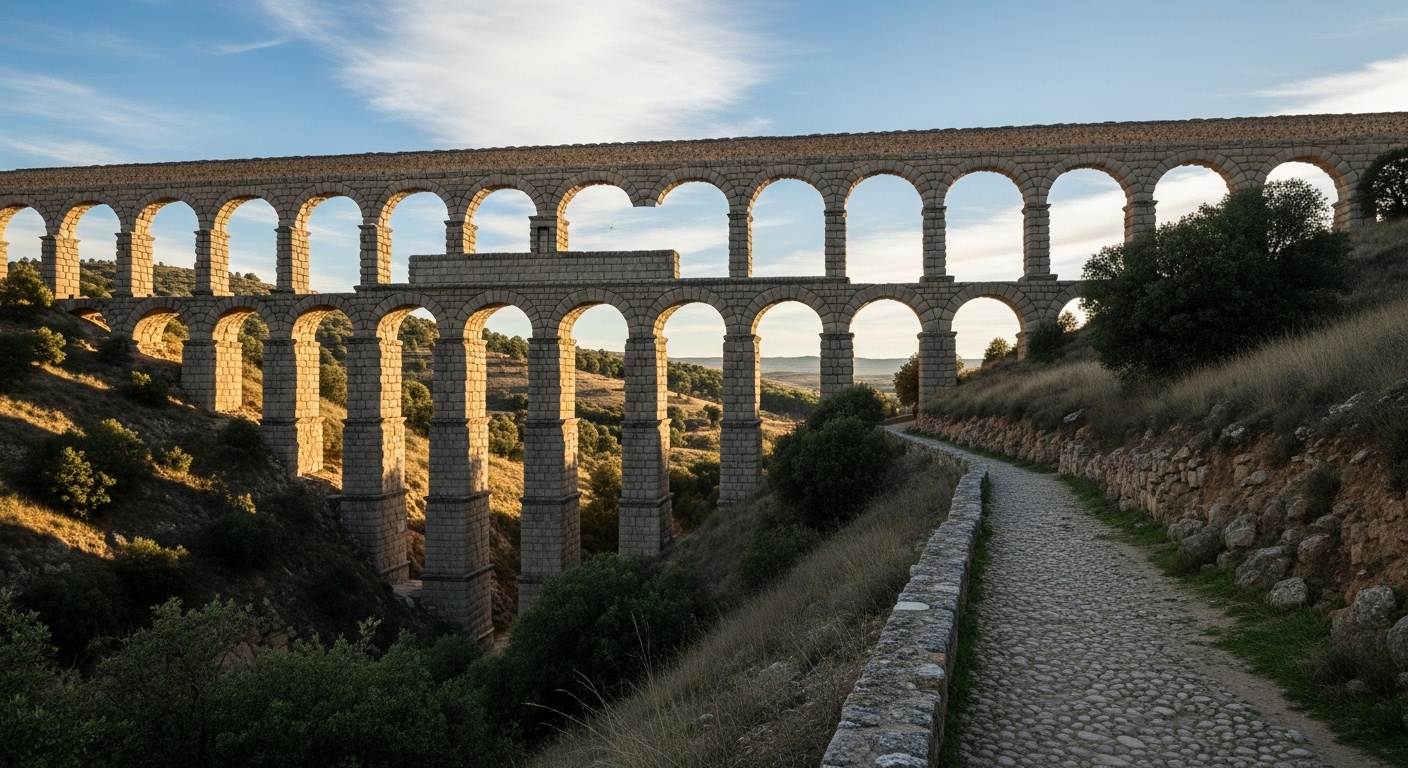
- Aqueduct of Segovia, Spain: This Roman aqueduct is one of the best-preserved in the world. Walking near its arches and along nearby scenic paths offers incredible views of Segovia’s cityscape. Learn more at Spain.info.
- Valens Aqueduct, Istanbul, Turkey: Built during the Roman era, parts of this aqueduct are still standing and accessible for walking. It offers a glimpse into Istanbul’s layered history and vibrant city life. Visit GoTurkey for details.
- Aqueduc de Roquefavour, France: The largest stone aqueduct in the world, now surrounded by walking paths and countryside scenery, allows visitors to marvel at both its scale and elegance. Learn more at France.fr.
- Alcántara Aqueduct, Spain: Built by the Romans, it spans the Tagus River and is accessible for walking along its structure, providing stunning views of the river gorge below.
- Puente del Diablo Aqueduct, Tarragona, Spain: A medieval aqueduct blending engineering and artistry, now a serene path for history enthusiasts and hikers alike.

Tips for Exploring Aqueduct Scenic Routes
Whether you’re hiking, cycling, or simply enjoying a leisurely walk, keep these tips in mind:
- Wear comfortable shoes suitable for stone surfaces and uneven terrain.
- Carry water, snacks, and sun protection, as some routes are exposed.
- Respect the historical structures and avoid climbing or damaging delicate sections.
- Check local tourism information for guided tours or historical explanations along the path.
- Capture photos early in the morning or late afternoon for soft light and fewer crowds.
The Intersection of History and Nature
Walking along an aqueduct allows you to experience a blend of human achievement and natural beauty. The structures themselves tell stories of ancient cities, rulers, and communities, while the surrounding landscapes—valleys, rivers, and hills—provide a tranquil setting that invites reflection. Many travelers describe these walks as meditative experiences, combining physical activity with historical curiosity.
Have you ever walked along a path that carries centuries of history beneath your feet? Did the experience make you feel closer to the past, or was it the scenery that captivated you? With scenic routes built on old aqueducts, you can have both.

Seasonal Considerations and Best Times to Visit
While aqueduct trails are often accessible year-round, some factors may affect your visit:
- Spring and autumn provide mild weather and fewer crowds.
- Summer offers long daylight hours but may be hotter and busier.
- Check rainfall patterns, as stone surfaces may become slippery during wet conditions.
- Local festivals and cultural events may coincide with peak tourist times, adding vibrancy to your experience.
Exploring scenic routes built on old aqueducts is a unique way to combine adventure, history, and nature. These paths offer not just breathtaking views, but a tangible connection to the engineering marvels of ancient civilizations. From Spain to France and Turkey, each route provides a story, a journey, and a chance to witness the ingenuity of the past while enjoying the beauty of the present.
Which aqueduct trail will you walk or cycle first? Share your experiences with us, and follow WentWorld on our social media platforms to discover more historic paths, hidden travel gems, and unforgettable journeys.
Catch up on the top stories and travel deals by subscribing to our newsletter!