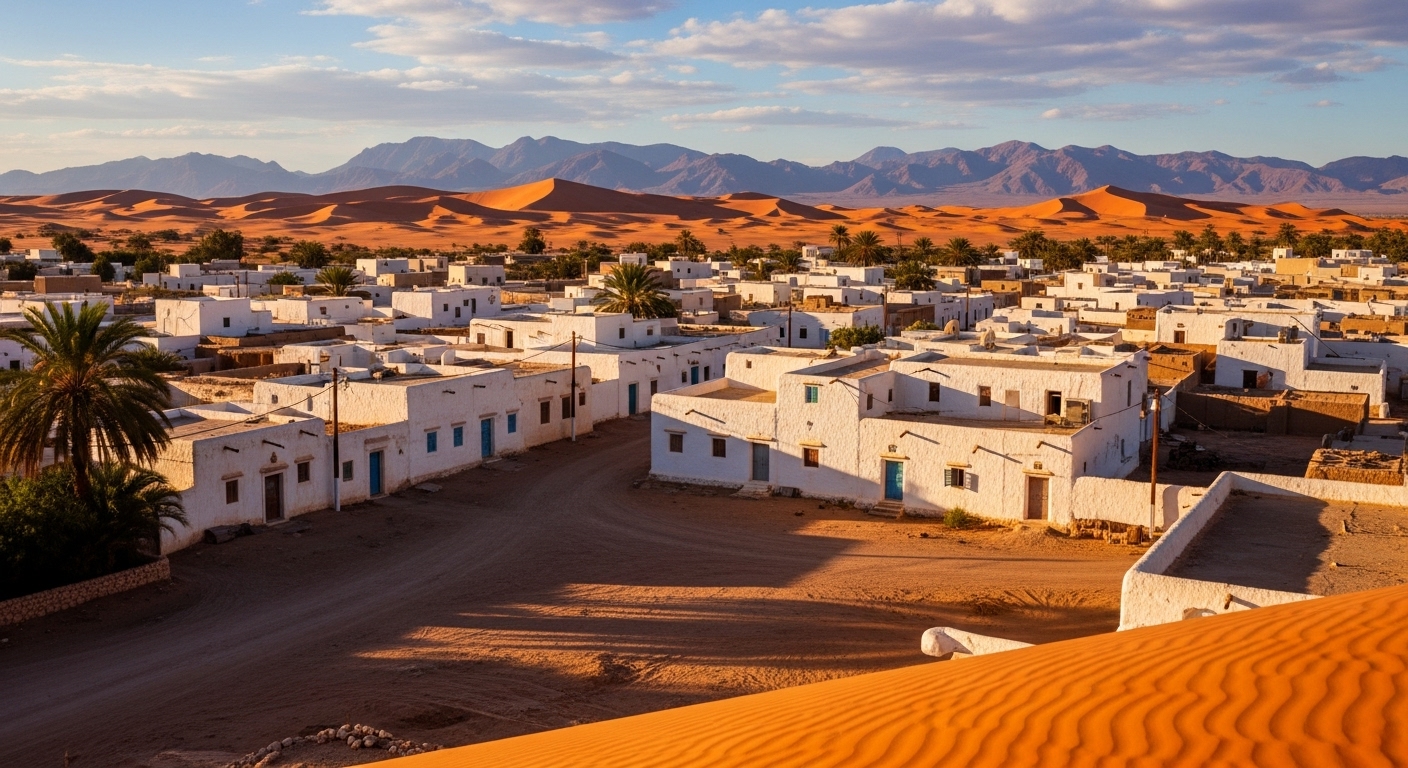
There is something almost magical about desert towns with whitewashed mud architecture—an atmosphere that feels frozen in time, untouched by the rush of the modern world, and glowing with an ancient charm that refuses to fade. These towns, often sitting quietly under scorching suns and star-filled skies, tell stories through their walls. Their buildings are not just structures but living, breathing pieces of heritage shaped by climate, creativity, resourcefulness, and culture. And if you have ever dreamed of wandering through winding alleys made of mud-brick walls, where every corner whispers history and silence feels sacred, then this journey might be exactly what your wanderlust has been craving.
Have you ever imagined stepping into a place where architecture feels handcrafted by nature? Where the heat of the day settles into cool courtyards at night? Where local traditions, building techniques, and lifestyles merge beautifully? Desert towns with whitewashed mud architecture are not simply destinations—they are experiences. In this long and immersive guide, let’s explore what makes these places special, why you should consider visiting them, what to look for, and even how to travel respectfully and sustainably while exploring their wonders.
The Unique Soul of Desert Towns with Whitewashed Mud Architecture
When people hear the word “desert,” they often picture empty landscapes, endless sand dunes, distant mirages, and scorching temperatures. But hidden among these seemingly barren expanses are towns built with remarkable ingenuity. These towns use mud, lime, and natural materials as architectural foundations—not because of lack of better options, but because these materials work perfectly for desert climates. The whitewashing helps reflect the fierce sunlight, providing insulation and natural cooling inside homes. This creates a stunning contrast: the vast desert in shades of gold and rust, and the towns shimmering in hues of white and ivory.
But what makes desert towns with whitewashed mud architecture truly extraordinary is how deeply their design reflects the harmony between people and environment. Every wall, every roof, every open courtyard is intentionally shaped to adapt to the harsh desert weather. These towns are living examples of sustainable building practices long before the term “sustainability” became a trend.
You might be surprised to know that some of the world’s most beautiful, historically preserved, and culturally rich desert towns—like Aït Benhaddou in Morocco, Siwa Oasis in Egypt, AlUla in Saudi Arabia, and Misfat Al Abriyeen in Oman—continue to use mud-brick and whitewashing as core elements of their architectural identity.
How Whitewashed Mud Architecture Works: The Science and Art Behind It
In deserts, the temperature difference between day and night can be extreme. Mud-brick homes act as natural insulators. During the day, their thick walls absorb heat slowly, preventing indoor spaces from overheating. At night, they release the stored warmth gently, ensuring the rooms stay pleasant instead of freezing. The result? Sustainable temperature control without air conditioning.
Whitewashing—usually done with lime—further enhances this system. Lime plaster reflects sunlight, protecting the mud walls beneath while also making the exterior visually striking. It also prevents erosion caused by occasional desert rains and provides antimicrobial benefits, which help preserve the building for generations.
Isn’t it fascinating how ancient building methods often outperform modern ones, especially in extreme climates? What do you think—would you personally prefer living in a house that relies on natural, traditional cooling methods?

Walking Through These Towns: What It Feels Like
Wandering through desert towns with whitewashed mud architecture feels like entering a storybook. The narrow, winding alleys create natural shade, so even in midday heat the streets often feel cooler. You may hear the gentle echo of footsteps bouncing off clay walls. You may smell baking bread or the earthy scent of mud buildings warming under the sun. Children might run across rooftops, and elders might sit in small courtyards sipping tea as breezes pass through carved wooden doors.
Every home feels unique. Some have rooftop terraces overlooking endless golden landscapes. Others have beautifully decorated wooden balconies, handcrafted doors, and ornate geometric patterns shaped in mud. These towns are not just visually stunning—they evoke emotion. They let you slow down, breathe, and truly see.
Have you ever visited a place that instantly made you feel connected to its history? If yes, how did it feel? If not, would you want your first such experience to be somewhere peaceful like a desert town?
Modern Tourism in Ancient Desert Towns
While many of these towns are ancient, tourism has slowly introduced modern cafés, boutique lodges, and guided cultural experiences—yet most of them maintain strict preservation rules. This ensures the visual authenticity of the town remains intact. For instance, Morocco’s UNESCO-protected Aït Benhaddou allows restorations but requires them to use traditional methods only. Similarly, Saudi Arabia’s AlUla integrates tourism beautifully without altering the historical soul of the area.
Travelers today can explore preserved mud castles, take photography walks, visit old markets, and even stay in modern eco-lodges designed to mirror traditional mud architecture. Have you ever stayed in a heritage-style lodge before? Would you prefer an authentic mud-built home or a modern hotel styled like one?
Top Desert Towns With Whitewashed Mud Architecture Around the World
Here are a few remarkable destinations where you can experience this architectural heritage firsthand:
- Aït Benhaddou, Morocco: A fortified ksar and filming location for many Hollywood movies.
- Siwa Oasis, Egypt: Known for its ancient mud-brick Shali Fortress and salt lakes.
- AlUla Old Town, Saudi Arabia: A breathtaking desert heritage site preserved with great care.
- Misfat Al Abriyeen, Oman: A picturesque mud village built on mountain slopes.
- Ghadames, Libya: Nicknamed the “Pearl of the Desert,” known for its unique whitewashed interior passages.
Each of these towns offers something different—architecture, culture, art, landscape, or traditions. Which one would you love to explore first, and why?
The Cultural Significance of Desert Architecture
Whitewashed mud architecture is more than a construction style—it reflects social structures, religious beliefs, climate adaptation, and community living. In many towns, homes are interconnected, creating a sense of unity and protection. The architecture encourages interaction, shared resources, and neighborly relationships. Even the design of doors and windows often carries symbolic meaning.
Some buildings include intricate geometric carvings representing prosperity or protection. Others might contain secret passages or courtyards used for gathering during celebrations. The architecture tells you a lot about life in the desert: resourcefulness, community, and harmony with nature.
Why These Towns Feel So Captivating to Travelers
People often describe a sense of “peace” or “timelessness” when exploring desert towns. There is no unnecessary noise. No traffic chaos. The breeze carries the sounds of nature instead of engines. Sunsets paint the entire town in warm tones of orange and gold. And when night falls, the sky lights up with thousands of stars—far brighter than anything visible in most modern cities.
Perhaps this is why travelers seeking reconnection, silence, or spiritual reflection often choose these destinations. They offer beauty without distraction, culture without overwhelming crowds, and charm that feels authentic instead of manufactured.
Travel Tips for Exploring These Unique Desert Towns
If you plan to visit desert towns with whitewashed mud architecture, here are a few important tips:
- Visit during cooler months to enjoy comfortable weather.
- Hire local guides—they know the stories that walls cannot tell.
- Stay in traditional mud homes or eco-lodges for an immersive experience.
- Dress modestly in culturally conservative regions.
- Support local artisans by purchasing handmade crafts.
- Respect preservation rules—never climb on old mud structures.
Preservation Challenges in the Modern World
Many of these towns face challenges from modernization, climate change, and shifting population trends. Younger generations often move to cities seeking opportunities, leaving these heritage towns vulnerable to abandonment. Some towns struggle to maintain old buildings because traditional materials require constant restoration.
Thankfully, many countries are investing in heritage preservation programs, tourism partnerships, and documentation efforts. UNESCO, local governments, and independent organizations have been crucial in restoring damaged towns and ensuring their survival.
The Future of These Desert Treasures
Will these ancient architectural gems continue to flourish? The answer depends on preservation efforts and responsible tourism. As long as travelers appreciate their cultural value and governments protect them from careless development, desert towns with whitewashed mud architecture will remain alive, relevant, and inspiring.
Imagine decades from now—you or future generations might still walk through the same narrow alleys, touch the same clay walls, and feel the same serenity that people have felt for centuries. Isn’t that an incredible thought?
Exploring desert towns with whitewashed mud architecture is not just about travel—it’s about connecting with traditions that withstand time, climates, and modernization. These places remind us of the beauty of simplicity, the brilliance of ancient building techniques, and the spiritual calm hidden in remote corners of the desert.
We would love to hear your thoughts. Have you ever visited a desert town like this? Would you want to? What part of their architecture fascinates you most? Share your experiences and questions in the comments!
And if you enjoy learning about unique destinations, cultural travel, and hidden gems around the world, make sure to follow us on our social media platforms for more inspiring stories and travel ideas.
Catch up on the top stories and travel deals by subscribing to our newsletter!