Imagine stepping out of one country and, within a few minutes of walking, finding yourself in another. It might sound like a dream, but it’s a reality on some of the world’s most fascinating bridges. Bridges That Connect Entire Countries by Foot aren’t just engineering marvels—they’re symbols of connection, cooperation, and exploration. In this blog, we’ll take you on a journey across borders, exploring the stories, designs, and experiences behind these incredible walkways.
Whether you’re a travel enthusiast, history buff, or adventure seeker, these bridges offer a unique way to experience two nations in one journey. Have you ever crossed a bridge that makes you feel like you’ve stepped into a different world? Let’s dive into these extraordinary footbridges and the cultural connections they foster.
Why Bridges That Connect Entire Countries by Foot Are So Special
Bridges are more than concrete, steel, and suspension cables. They are gateways that merge landscapes, histories, and communities. Walking across a bridge connecting two countries gives you a sense of immediacy that flights or train rides cannot offer. You experience firsthand the borders, languages, and customs that might change within a few steps.
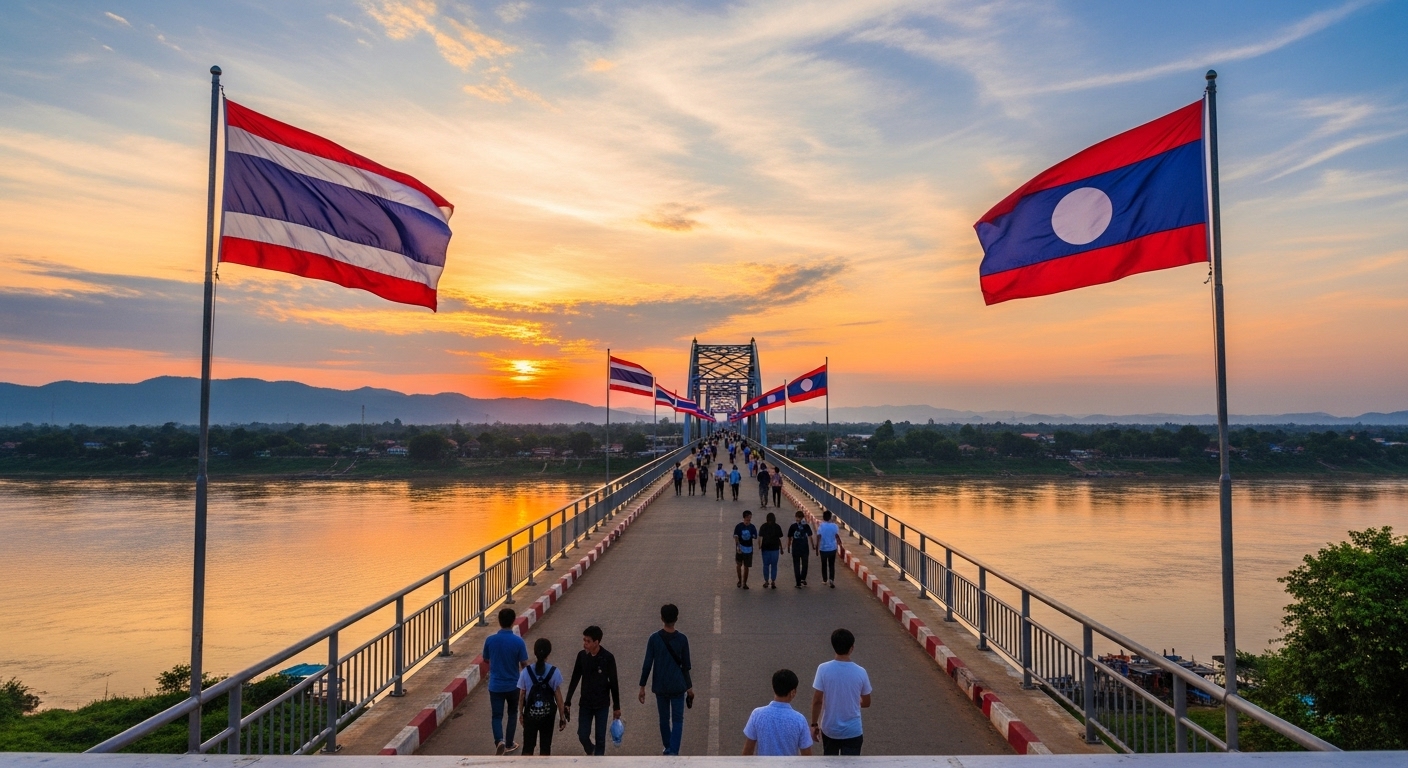
Take the Thai-Lao Friendship Bridge, for example. While it spans a significant river, travelers can also explore adjacent pedestrian paths that offer breathtaking views of both nations. Bridges like these turn ordinary walks into memorable cross-border adventures.
1) The Friendship Bridge: Thailand & Laos
One of the most famous foot-accessible bridges connecting countries is the Friendship Bridge over the Mekong River. Opened in 1994, this bridge doesn’t just carry vehicles; it has pathways for pedestrians. Walking across, you can see Thai markets giving way to Laos landscapes, and you might even catch glimpses of river traffic ferrying goods and people.
This bridge represents not just a physical connection but a diplomatic one. Tourists often find themselves pausing midway, taking photos, or chatting with locals who cross daily for work or trade. It’s a reminder that bridges are more than infrastructure—they’re lifelines that sustain culture and economy.
2) The Europe’s Unique Footbridge: Öresund Bridge (Sweden & Denmark)
Technically, the Öresund Bridge primarily serves trains and vehicles, but some sections have pedestrian paths in nearby extensions. This engineering masterpiece links Malmö in Sweden to Copenhagen in Denmark, blending a tunnel and bridge system. While most travelers take the train, walking parts of this route allows a surreal experience of crossing from one European country to another under a seamless sky.
The Öresund Bridge exemplifies how walking paths, even limited, provide a sensory experience unlike any other. The breeze, the water below, and the changing cityscapes make you feel every mile.

3) The Peace Bridge: Northern Ireland & Republic of Ireland
Another notable foot-accessible international bridge is the Peace Bridge in Belfast. It’s more than a pedestrian bridge; it’s a symbol of reconciliation and unity. Walkers crossing the River Lagan enjoy sweeping views while reflecting on the bridge’s mission to connect communities and foster dialogue.
Even if it’s not a country border in the traditional sense, it demonstrates how footbridges have cultural significance. Sometimes, the most meaningful crossings are about people, not just geography.
4) The San Roque González de Santa Cruz Bridge: Paraguay & Argentina
Connecting Encarnación in Paraguay and Posadas in Argentina, this bridge spans the Paraná River. Pedestrians often take leisurely walks while enjoying the vast river views. Crossing here gives travelers a tangible sense of transitioning between countries—different road signs, flags, and languages all within steps.
For many, walking this bridge isn’t just about transportation; it’s a journey into another culture. Cafés, local markets, and friendly conversations await as soon as you step into the neighboring country.
5) The Haskell Free Library and Opera House: USA & Canada
Unique among these crossings is the Haskell Free Library, which literally straddles the border between Vermont, USA, and Quebec, Canada. Visitors enter the library in one country and can browse shelves or attend events in another. The opera house upstairs even allows audiences to sit in one nation while performers stand in the other. This bridge of culture and architecture provides a literal and symbolic walk between countries.

The Joy of Walking Across Borders
Walking across international bridges is an experience that engages all senses. You hear different languages, smell diverse street foods, and witness varied architecture—all in a matter of minutes. It’s a unique way to feel connected to the world. Some bridges even allow cyclists and joggers to cross, turning the commute into a holistic cultural immersion.
Have you ever walked across a bridge connecting two countries? How did it feel to cross borders on foot? Share your experiences in the comments below—your stories inspire others to explore.
Engineering Marvels and Cultural Significance
Building bridges that allow foot traffic between countries requires meticulous engineering, political cooperation, and safety planning. Authorities consider river currents, seasonal weather changes, and pedestrian flow. But beyond technical aspects, these bridges become cultural hubs. Markets, festivals, and public events often utilize these walkways to celebrate the unity they symbolize.
For instance, during festivals in Europe, the Öresund region sees walkers from both Malmö and Copenhagen celebrating together. Meanwhile, the Thai-Lao Friendship Bridge supports daily workers and families visiting relatives, highlighting the bridge’s essential role in human connection.
Planning Your Next Cross-Border Walk
If you’re an adventure traveler seeking unique experiences, visiting these foot-accessible international bridges should be on your list. Plan ahead: check local visa requirements, peak times for pedestrian traffic, and nearby attractions. Many of these bridges are near popular tourist cities, so you can combine border-crossing adventures with sightseeing.
International travelers often use airlines like Singapore Airlines or Emirates to reach starting points of these walks, making it easy to incorporate them into global itineraries. The beauty of walking across borders is that every step tells a story of connection, culture, and shared humanity.
Takeaways: Why Foot Bridges Matter
- They allow intimate experiences of cross-border culture.
- They provide sustainable, low-impact travel options.
- They often carry historical, political, or social significance.
- They create opportunities for community engagement and tourism.
Walking across bridges connecting countries isn’t just about getting from point A to point B. It’s about experiencing the nuances that define nations—the sounds, sights, and scents that make each country unique. These footbridges are living symbols of connection, reminding us that even in a divided world, humanity finds ways to unite.
Which bridge would you love to walk across first? Have you experienced a border crossing on foot that left a lasting impression? Share your thoughts and stories in the comments—we love hearing from fellow travelers! Don’t forget to follow us on social media for more incredible travel experiences and inspiring journeys.
Catch up on the top stories and travel deals by subscribing to our newsletter!