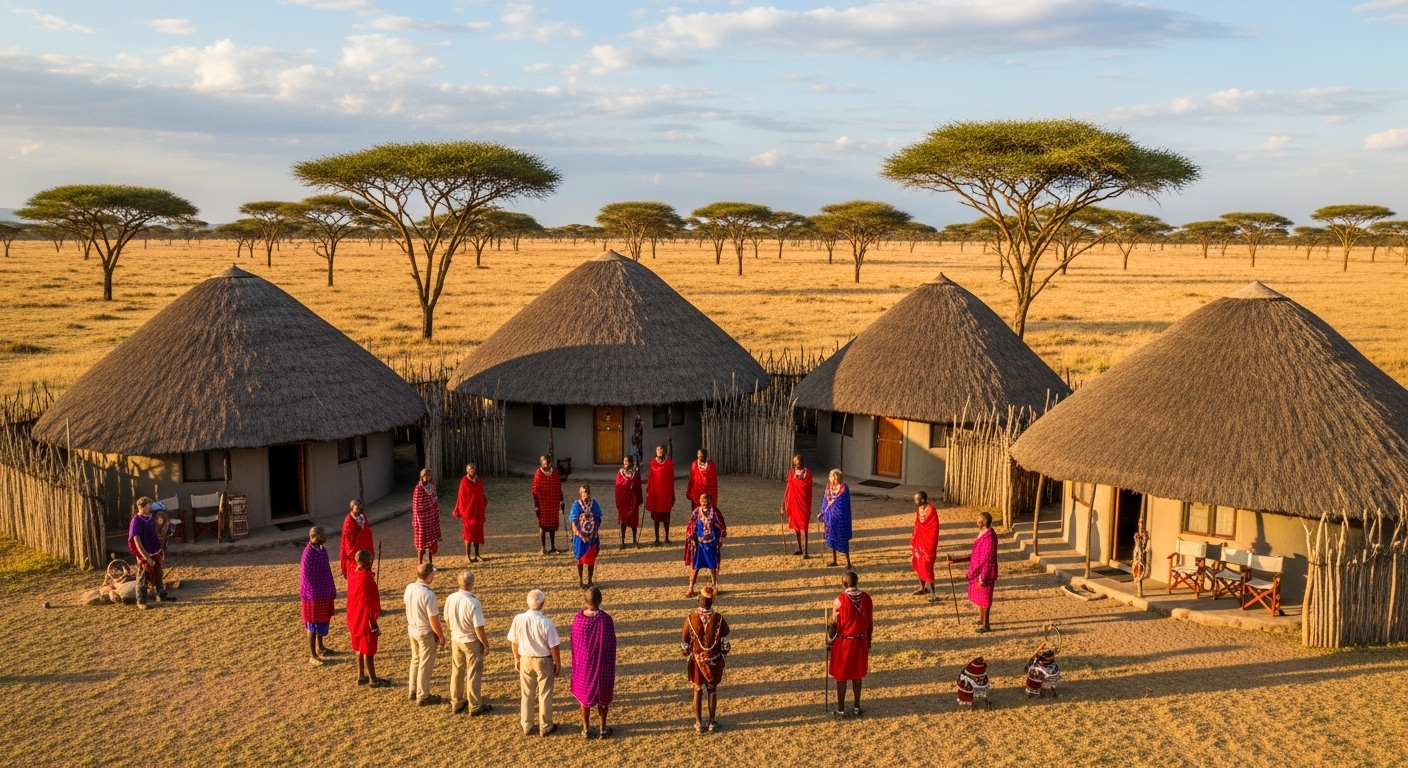
In today’s travel landscape, sustainability is no longer optional. Increasingly, tourists are seeking authentic experiences that respect nature, culture, and local economies. At the forefront of this movement are rural communities, which are leading the eco-tourism revolution. These areas, often overlooked in conventional travel guides, combine breathtaking landscapes with responsible practices that benefit both visitors and residents.
Eco-tourism emphasizes low-impact travel, conservation, and cultural immersion. Rural communities are uniquely positioned to embrace this approach. Unlike urban destinations, they often have direct access to pristine ecosystems, traditional knowledge, and small-scale agriculture. By integrating tourism with sustainability, they protect natural resources while providing economic opportunities for residents.
So which rural communities are setting new standards for eco-tourism? And what lessons can travelers learn from their practices? Let’s explore how rural communities leading the eco-tourism revolution are shaping the future of travel.
Why Rural Communities Are Perfect for Eco-Tourism
Rural communities often possess intact landscapes, unspoiled wildlife, and authentic cultural traditions. These features make them ideal for eco-tourism, which prioritizes nature conservation, local engagement, and sustainability.
Moreover, smaller populations allow for more direct collaboration between residents and visitors. Travelers can participate in farming, conservation projects, or cultural exchanges. By contrast, large tourist centers may struggle to balance visitor numbers with environmental preservation.
In essence, rural communities are natural laboratories for responsible travel, demonstrating how tourism can uplift rather than exploit.
Kerala’s Village Tourism – India
Kerala, often called “God’s Own Country,” is renowned for its village tourism initiatives. Small villages such as Kumarakom and Alleppey invite visitors to stay in traditional homes, participate in rice cultivation, and explore wetlands responsibly.
These programs prioritize sustainability. For example, local guides teach travelers about indigenous flora and fauna, while homestays use solar energy, rainwater harvesting, and organic food. This approach ensures that tourism supports both livelihoods and ecosystems.
Visitors often remark on the warmth of the hosts and the immersive experience of living like a local. More information is available at Kerala Tourism.
Valle de Bravo – Mexico
Valle de Bravo, a picturesque town in central Mexico, is gaining recognition for eco-tourism practices. Nestled by a lake and surrounded by forested mountains, the community offers hiking, bird-watching, and sustainable water sports.
Local cooperatives run eco-lodges, organic farms, and guided nature tours. By keeping operations small-scale and environmentally conscious, they ensure tourism doesn’t overwhelm the area. Moreover, profits are reinvested into conservation projects and community development.
Travelers learn about reforestation, wildlife monitoring, and traditional crafts, creating an educational as well as recreational experience. Learn more at Visit Mexico.

Maramures Villages – Romania
In Northern Romania, Maramures villages demonstrate how cultural heritage can intersect with eco-tourism. Travelers stay in traditional wooden houses, enjoy organic farm meals, and participate in woodworking and folk arts.
Local guides emphasize sustainable practices, including organic farming, forest conservation, and water management. By engaging visitors directly, Maramures communities generate income while preserving centuries-old traditions.
This hands-on approach makes eco-tourism deeply immersive, encouraging respect for both nature and culture. More information is available at Romania Tourism.
Bale Mountains Communities – Ethiopia
The Bale Mountains region hosts several small communities that are transforming eco-tourism in East Africa. Visitors can hike alpine meadows, observe endemic wildlife, and participate in local coffee farming initiatives.
Community-based tourism ensures that funds support schools, health services, and conservation efforts. For instance, guided wildlife tours contribute to protecting Ethiopian wolves and other endangered species.
By integrating conservation with authentic cultural experiences, these rural communities are setting benchmarks for rural communities leading the eco-tourism revolution. More details at Ethiopia Tourism.
What Travelers Gain from Eco-Tourism
Participating in eco-tourism offers more than sightseeing. Travelers gain:
- Hands-on understanding of sustainable practices.
- Opportunities to engage with local culture authentically.
- Educational experiences related to wildlife, farming, and conservation.
- A sense of contributing positively to communities visited.
Visitors leave with a deeper appreciation for the environment, a new perspective on rural life, and memories of interactions that go beyond conventional tourism.

Tips for Responsible Eco-Tourism in Rural Areas
- Choose accommodations that follow sustainable practices, such as solar power and water conservation.
- Respect local customs and traditions; ask permission before photographing people.
- Minimize waste and use biodegradable products whenever possible.
- Engage in local-led tours and projects to ensure economic benefits remain in the community.
- Learn about the environment and culture to enrich your travel experience.
Challenges and Opportunities
While eco-tourism offers enormous benefits, it also presents challenges. Limited infrastructure, seasonal accessibility, and lack of marketing can hinder growth. However, many rural communities are overcoming these obstacles through cooperative initiatives, digital platforms, and partnerships with sustainable tourism organizations.
The result is a win-win scenario: communities gain economic stability, and travelers experience authentic, impactful tourism. By supporting these projects, visitors directly contribute to environmental conservation and cultural preservation.
Why Rural Eco-Tourism Matters
Eco-tourism in rural areas is not just a trend; it is a movement. It addresses critical issues such as climate change, habitat destruction, and cultural erosion. Moreover, it offers an alternative to mass tourism, encouraging slower, more thoughtful travel.
By highlighting local traditions, biodiversity, and sustainable living, rural communities provide a model for responsible tourism that can inspire travelers globally. Participating in such experiences helps cultivate empathy, awareness, and connection to places that are often overlooked.
Rural communities leading the eco-tourism revolution offer travelers the chance to see the world differently. They demonstrate that tourism can nurture, rather than exploit, the land and people. From India to Mexico, Romania to Ethiopia, these communities prove that travel can be immersive, meaningful, and sustainable.
Which rural eco-tourism destination would you like to explore first? Share your thoughts with us, and follow WentWorld on our social media platforms for more insights into responsible travel, hidden gems, and sustainable adventures.
Catch up on the top stories and travel deals by subscribing to our newsletter!