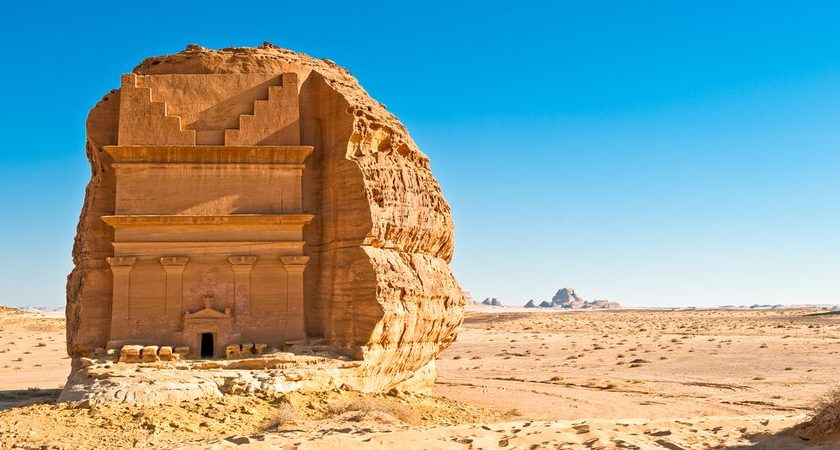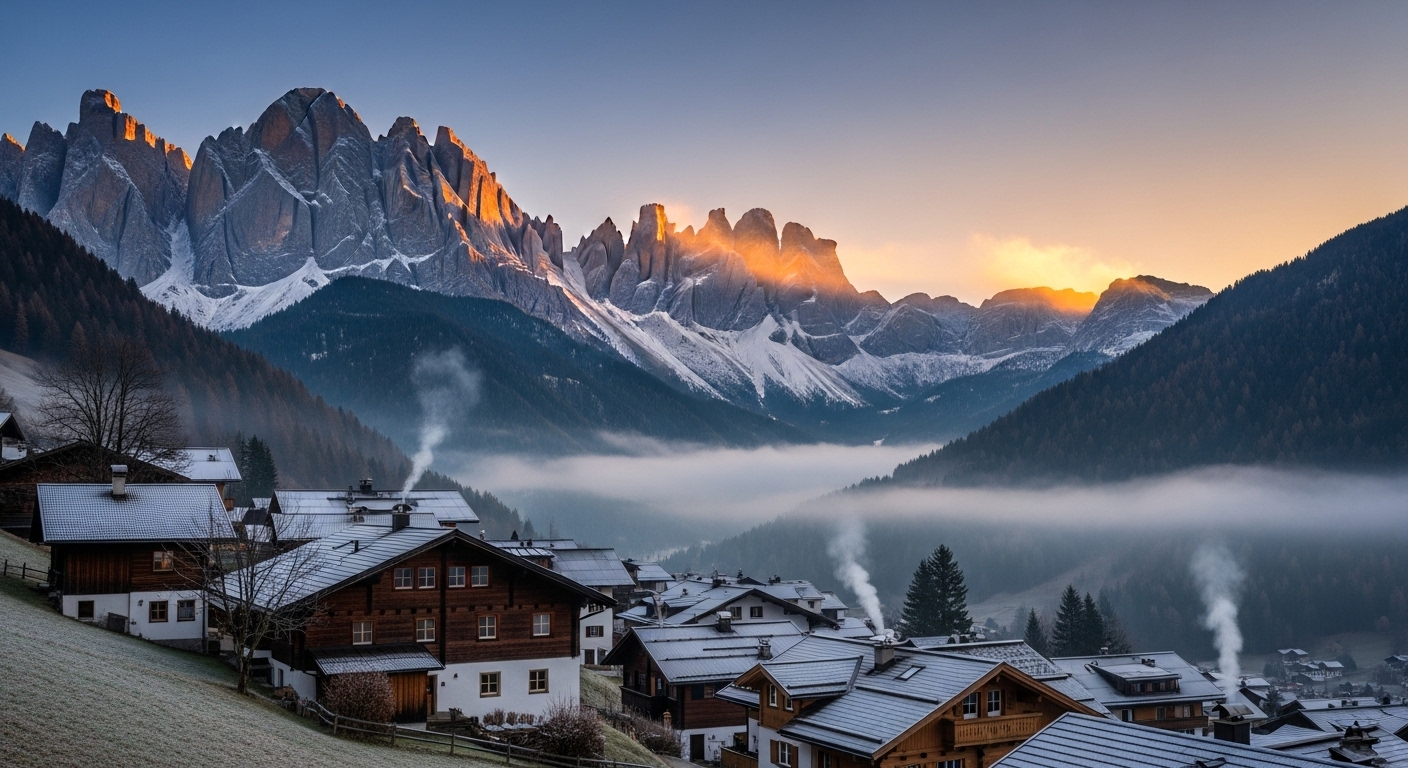
High in the mountains, far from highways and glass skyscrapers, there are places where time seems to have paused. Roofs are carved from timber, balconies are hand-shaped, and homes are built not with modern materials but with centuries-old knowledge passed down through generations. These Mountain Villages With Wooden Architecture Frozen in Time offer travelers a rare chance to step into living history.
Wooden mountain villages were shaped by necessity. Timber was abundant, stone was scarce, and harsh winters demanded smart, durable construction. Over time, these practical choices evolved into architectural traditions that now define entire regions. Walking through these villages feels less like sightseeing and more like time travel.
Have you ever wondered what daily life looked like before concrete, steel, and glass reshaped the world?
Why Wooden Mountain Villages Have Survived So Long
The survival of these villages is not accidental. Wooden architecture in mountain regions developed through centuries of trial and error. Structures were designed to withstand snow loads, earthquakes, temperature swings, and isolation.
Many Mountain Villages With Wooden Architecture Frozen in Time remain intact because of geographic isolation, strict preservation laws, and strong cultural pride. In some cases, villagers continue to maintain homes using the same tools and techniques their ancestors used hundreds of years ago.
Wood, when properly treated and maintained, can last for centuries. Combined with thoughtful design, these villages have proven remarkably resilient.
Shirakami-Sanchi Villages, Japan
In northern Japan, the mountainous Shirakami-Sanchi region is home to small villages surrounded by ancient beech forests. Traditional wooden houses here are built using joinery techniques that require no nails.
The thick timber beams help homes endure heavy snowfall, while steep roofs prevent snow buildup. These villages exist in harmony with nature, reflecting Japan’s long-standing respect for natural materials.
Japan actively preserves rural heritage through cultural protection programs supported by the Japan National Tourism Organization.
Hallstatt, Austria
Perched between a lake and towering alpine slopes, Hallstatt is one of Europe’s most photographed villages. Its wooden houses, adorned with balconies and flower boxes, climb the mountainside in narrow terraces.
While tourism has increased, the architectural core remains protected. Wooden façades, traditional rooflines, and historic layouts preserve the village’s original character.
Hallstatt’s design reflects centuries of alpine living, where every structure had to adapt to limited space and harsh winters.
Valle di Funes Villages, Italy
In Italy’s Dolomites, villages like Santa Maddalena and San Pietro feature wooden farmhouses known as masi. These buildings combine stone foundations with wooden upper levels, offering both strength and insulation.
The architectural style reflects a blend of Italian and Austrian influence, shaped by centuries of border changes. These mountain communities maintain traditional craftsmanship while adapting subtly to modern needs.
Information about preserving alpine heritage can be found through Italia Tourism.
Hahoe Folk Village, South Korea
While not at extreme altitude, Hahoe Folk Village sits among hills and mountains and preserves traditional wooden hanok homes. Built during the Joseon Dynasty, these houses use timber frames and clay walls.
The village layout follows principles of geomancy, aligning structures with surrounding mountains and rivers. Walking through Hahoe feels like stepping into a historical manuscript.
South Korea protects Hahoe as a UNESCO World Heritage Site, ensuring its wooden architecture remains intact.
Alberobello’s Mountain Neighbors, Italy
Though Alberobello itself is famous for stone trulli, nearby Apennine mountain villages preserve wooden barns, storage houses, and traditional shepherd shelters.
These lesser-known settlements reflect a rural lifestyle shaped by elevation, seasonal movement, and self-sufficiency. Wooden elements dominate interiors, balconies, and rooftops.
These villages often escape mass tourism, allowing their architecture to remain largely unchanged.

Maramureș, Romania
Maramureș is one of Europe’s last regions where wooden architecture dominates entire villages. Tall wooden churches, intricately carved gates, and timber houses define the landscape.
The villages here are living museums. Locals still wear traditional clothing, use wooden tools, and maintain homes using ancient techniques.
Maramureș wooden churches are recognized by UNESCO, highlighting the region’s global cultural significance.
What It Feels Like to Walk Through These Villages
There’s a quiet rhythm to mountain villages built from wood. Floors creak, doors feel solid, and everything carries the scent of timber.
Unlike modern buildings, wooden homes feel alive. They expand, contract, age, and change color with time.
Have you ever noticed how natural materials make spaces feel warmer, even in cold mountain air?
The Cultural Importance of Wooden Architecture
In many mountain communities, architecture is a form of storytelling. Carvings, layouts, and construction methods reflect beliefs, family history, and survival strategies.
Mountain Villages With Wooden Architecture Frozen in Time often preserve rituals tied to building, such as blessing new homes or selecting trees during specific seasons.
These traditions strengthen community identity and ensure knowledge is passed forward.
Challenges Facing These Villages Today
Despite their beauty, wooden mountain villages face serious challenges. Climate change increases weather extremes, younger generations migrate to cities, and maintenance costs rise.
Fire risk is another concern, making preservation efforts complex and costly. Many regions now balance safety upgrades with historical integrity.
International heritage organizations and local governments work together to protect these fragile settlements.
How Tourism Helps Preserve Wooden Villages
Responsible tourism provides funding for restoration, encourages cultural pride, and supports local economies.
Travelers who choose slow, respectful visits help ensure that Mountain Villages With Wooden Architecture Frozen in Time remain lived-in places rather than abandoned relics.
Airlines such as Lufthansa and SWISS connect travelers to many alpine regions where these villages exist.
Why These Villages Feel So Different From Modern Towns
Modern towns prioritize efficiency and scale. Wooden mountain villages prioritize harmony and survival.
Buildings are smaller, streets are narrower, and spaces are shared. Life moves at a slower pace, shaped by seasons rather than schedules.
Visitors often report a sense of grounding, as if the environment encourages reflection and presence.
Who Should Visit These Villages
These destinations appeal to travelers who value culture, history, and authenticity. Photographers, writers, architects, and slow travelers often find deep inspiration here. They are ideal for those willing to trade convenience for meaning.
Mountain Villages With Wooden Architecture Frozen in Time are not just beautiful. They represent sustainable building practices, cultural continuity, and human adaptability.
In a world increasingly dominated by uniform design, these villages remind us that architecture can be personal, local, and deeply connected to nature. Wooden mountain villages are more than destinations. They are lessons in patience, craftsmanship, and coexistence with the environment.
If meaningful travel and cultural preservation inspire you, follow us on our social media platforms for more stories like this. And tell us — which mountain village would you love to walk through first?
Catch up on the top stories and travel deals by subscribing to our newsletter!