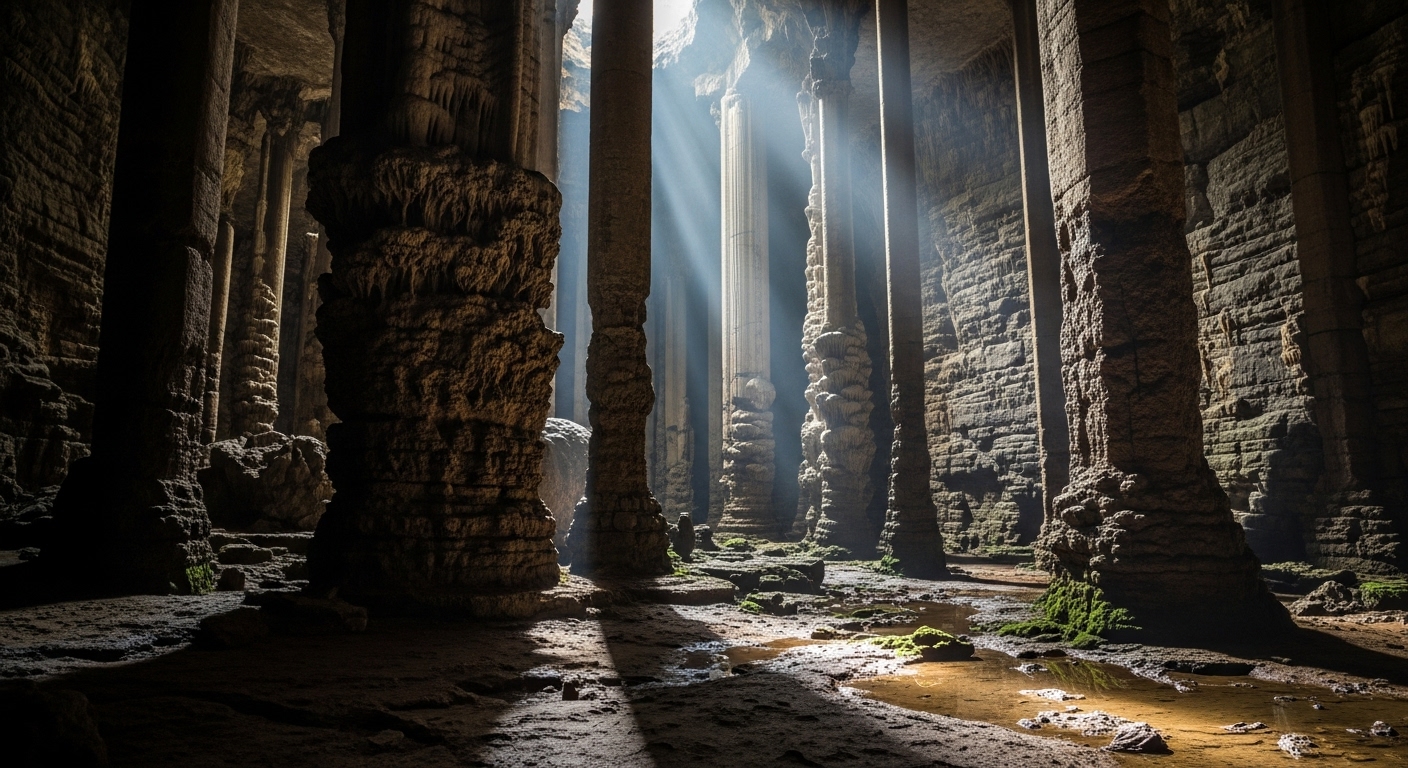
Across the world, nature has quietly created spaces so vast, symmetrical, and awe-inspiring that they feel intentionally sacred. Long before stone churches and towering domes existed, humans gathered in places shaped by water, rock, and time. Exploring caves that double as natural cathedrals reveals how the Earth itself can inspire reverence, reflection, and silence.
These caves are not simply geological formations. They possess soaring ceilings, echoing chambers, and natural symmetry that closely resembles man-made cathedrals. Light filters through openings like stained glass, while stalactites and columns rise like altars and pillars.
Have you ever stood somewhere so quiet and vast that you instinctively lowered your voice? That feeling explains why caves that double as natural cathedrals continue to captivate travelers, historians, and spiritual seekers.
Why Some Caves Feel Sacred by Nature
The cathedral-like feeling of certain caves comes from scale, acoustics, and light. Tall chambers create vertical emphasis, drawing the eye upward, while natural columns form symmetry similar to architectural design.
Sound behaves differently inside caves. Even whispers carry, while silence feels amplified. This acoustic quality mirrors religious spaces designed for contemplation.
Over thousands of years, humans associated these qualities with spirituality, ceremony, and reflection.
Postojna Cave – Slovenia
Postojna Cave is one of Europe’s most remarkable underground spaces. Vast halls, dramatic arches, and towering formations give it a cathedral-like grandeur.
Historically, the cave has hosted concerts due to its unique acoustics. Music reverberates softly, enhancing the sense of sacred space.
Postojna stands as a powerful example of caves that double as natural cathedrals. Learn more at Slovenia Tourism.
Waitomo Glowworm Caves – New Zealand
In the Waitomo Caves, thousands of glowworms illuminate the ceiling like a living constellation. The result feels almost divine.
Visitors float silently through chambers as blue lights shimmer overhead. The experience resembles entering a celestial sanctuary rather than a cave.
This natural phenomenon transforms the cave into one of the most enchanting caves that double as natural cathedrals. More details are available at New Zealand Tourism.

Škocjan Caves – Slovenia
The Škocjan Caves feature one of the world’s largest underground canyons. Massive chambers rise hundreds of feet, dwarfing visitors.
A river flows through the cave, its sound echoing like an organ within a stone cathedral. Bridges and walkways emphasize the vast scale.
UNESCO recognition highlights the cave’s cultural and geological importance. Learn more at UNESCO World Heritage.
Salt Cathedral of Zipaquirá – Colombia
Unlike purely natural caves, Zipaquirá combines geology with human craftsmanship. A cathedral was carved within a salt mine, enhancing the cave’s natural majesty.
Salt walls shimmer softly under light, creating a serene and spiritual atmosphere. The space feels both ancient and intentional.
This site perfectly bridges human faith and natural architecture, earning its place among caves that double as natural cathedrals. Learn more at Colombia Tourism.
Mammoth Cave – United States
Mammoth Cave is the longest known cave system in the world. Some chambers are so vast they resemble underground basilicas.
Historically, the cave hosted early church services and gatherings. Its size and acoustics naturally encouraged communal use.
Mammoth Cave shows how caves that double as natural cathedrals often inspire spiritual use even without modification. More information is available at National Park Service.

How Light Transforms Underground Spaces
Light plays a central role in making caves feel sacred. Sunlight entering through openings creates beams similar to cathedral windows.
Artificial lighting is often subtle, designed to enhance rather than overpower natural features.
This interplay of darkness and light mirrors spiritual symbolism found in religious architecture worldwide.
Human History Inside Cathedral-Like Caves
Many ancient civilizations used caves for rituals, burials, and ceremonies. The environment encouraged introspection and reverence.
Caves provided shelter, safety, and a connection to the Earth. Over time, they became symbolic spaces linking humanity to nature.
Have you noticed how silence feels different underground?
Visiting These Caves Respectfully
- Follow designated paths to preserve formations.
- Maintain quiet to respect acoustics and atmosphere.
- Avoid touching cave surfaces.
- Respect photography rules.
- Learn the cultural significance before visiting.
Why These Places Leave Lasting Impressions
Visitors often describe a sense of humility when standing inside vast caves. Human scale feels insignificant. This emotional response mirrors experiences in grand cathedrals, reinforcing why these caves feel sacred. Caves that double as natural cathedrals remind us that architecture does not always require architects.
Caves that double as natural cathedrals reveal the Earth’s ability to inspire awe without words or design. These underground sanctuaries offer stillness, beauty, and reflection in a world that rarely slows down.
Which cave would you most want to experience in silence? Share your thoughts with us, and follow WentWorld on our social media platforms for more extraordinary destinations shaped by nature and time.
Catch up on the top stories and travel deals by subscribing to our newsletter!