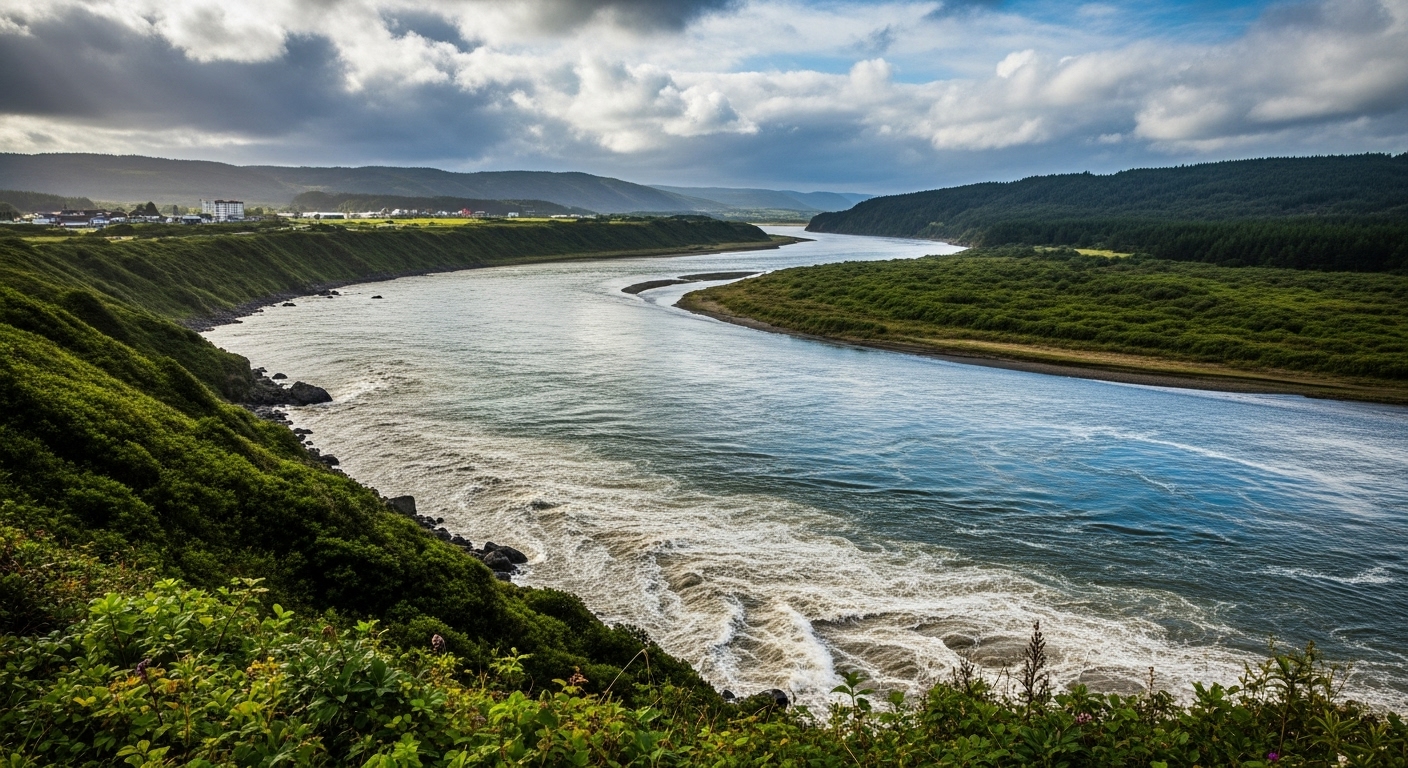
Rivers are supposed to move in one direction. From mountains to seas, the flow feels predictable, reliable, and permanent. Yet nature loves to surprise us. In several extraordinary places around the world, water does something almost unbelievable. These are rivers that flow backwards during specific seasons, temporarily reversing direction due to powerful natural forces.
This phenomenon challenges everything we assume about geography. It feels like watching time rewind. One moment a river rushes toward the ocean, and the next, it turns around and moves inland. Travelers, scientists, and locals alike continue to be fascinated by these rare waterways.
Have you ever stood by a river and imagined it changing direction overnight? Let’s explore the science, stories, and destinations behind some of the most remarkable rivers that flow backwards during specific seasons.
How Can a River Flow Backwards?
Rivers reverse their flow for several reasons. Strong tides, seasonal flooding, snowmelt, heavy rainfall, and changes in elevation all play a role. In many cases, rivers sit at very low gradients, meaning even a small shift in water pressure can change direction.
During certain months, oceans push inland. Elsewhere, monsoon rains or melting glaciers overwhelm a river’s usual path. These natural forces temporarily overpower gravity.
The result is a living, breathing water system that adapts to the planet’s rhythms.
The Amazon River, South America
The Amazon is one of the most famous examples of rivers that flow backwards during specific seasons. During the rainy season, the sheer volume of incoming water causes parts of the river and its tributaries to reverse direction.
This phenomenon is known as the “Amazon tidal bore” or pororoca. Atlantic Ocean tides surge inland, pushing waves upriver for miles. Entire ecosystems depend on this seasonal reversal.
The Amazon’s behavior highlights how rivers and oceans interact on a massive scale. Learn more at Encyclopaedia Britannica.
The Saint John River, Canada
Located in New Brunswick, the Saint John River experiences dramatic tidal reversals at the Reversing Falls.
Twice a day, powerful tides from the Bay of Fundy push water upstream, temporarily halting and reversing the river’s flow. Boats can even appear to float backward.
It is one of the clearest examples of rivers that flow backwards during specific seasons and tidal cycles. More details can be found at Tourism New Brunswick.

The Mississippi River, United States
The Mississippi River has recorded temporary reversals during extreme flooding events.
When water levels surge due to heavy rainfall and snowmelt, pressure from tributaries can cause sections of the river to flow upstream for short periods.
Though rare, these reversals demonstrate why the Mississippi is considered one of the most dynamic river systems in the world. Learn more at US Geological Survey.
The Tonlé Sap River, Cambodia
The Tonlé Sap River is one of the most fascinating rivers that flow backwards during specific seasons.
During the dry season, the river flows from Tonlé Sap Lake into the Mekong River. However, during monsoon season, the Mekong swells so dramatically that it pushes water back into the lake.
This seasonal reversal expands the lake’s size by several times and supports one of the richest freshwater ecosystems in Southeast Asia. Learn more at Mekong River Commission.
The Chicago River, United States
The Chicago River is unique because its reversal was engineered rather than natural.
In the early 20th century, the river’s flow was reversed to protect Lake Michigan’s drinking water supply. While not seasonal, it remains a striking example of how rivers can change direction.
Although different in cause, it adds perspective when discussing rivers that flow backwards during specific seasons. More information is available via City of Chicago.
Why These Rivers Matter
Seasonal river reversals are not just curiosities. They play a crucial role in agriculture, fisheries, and biodiversity.
In places like Cambodia, entire communities rely on these natural cycles for food and livelihoods. Fish migration patterns, soil fertility, and water quality all depend on these reversals.
Understanding these rivers helps scientists monitor climate change and environmental shifts.

What It’s Like to See a River Reverse
Witnessing a river flow backward feels unsettling at first. The current moves against expectation. Floating leaves drift upstream. Boats pause or pivot.
Locals often treat the event as normal, while visitors watch in awe. It’s a reminder that nature doesn’t follow human rules.
Best Time to Experience Seasonal River Reversals
- Visit during monsoon or rainy seasons.
- Check local tide charts and river forecasts.
- Join guided river tours for safe viewing.
- Ask locals about peak reversal times.
- Be patient and observe quietly.
Nature’s Reminder of Balance
Rivers that flow backwards during specific seasons remind us that Earth is dynamic, not static. Water responds to climate, gravity, and pressure in complex ways.
These reversals are not errors. They are essential parts of larger natural systems that have functioned for centuries.
Rivers that flow backwards during specific seasons challenge our understanding of landscapes and highlight the planet’s incredible adaptability.
Would you travel to see a river reverse its course? Share your thoughts with us, and follow WentWorld on our social media platforms for more mind-bending destinations, natural wonders, and travel stories that reveal the world’s hidden rhythms.
Catch up on the top stories and travel deals by subscribing to our newsletter!