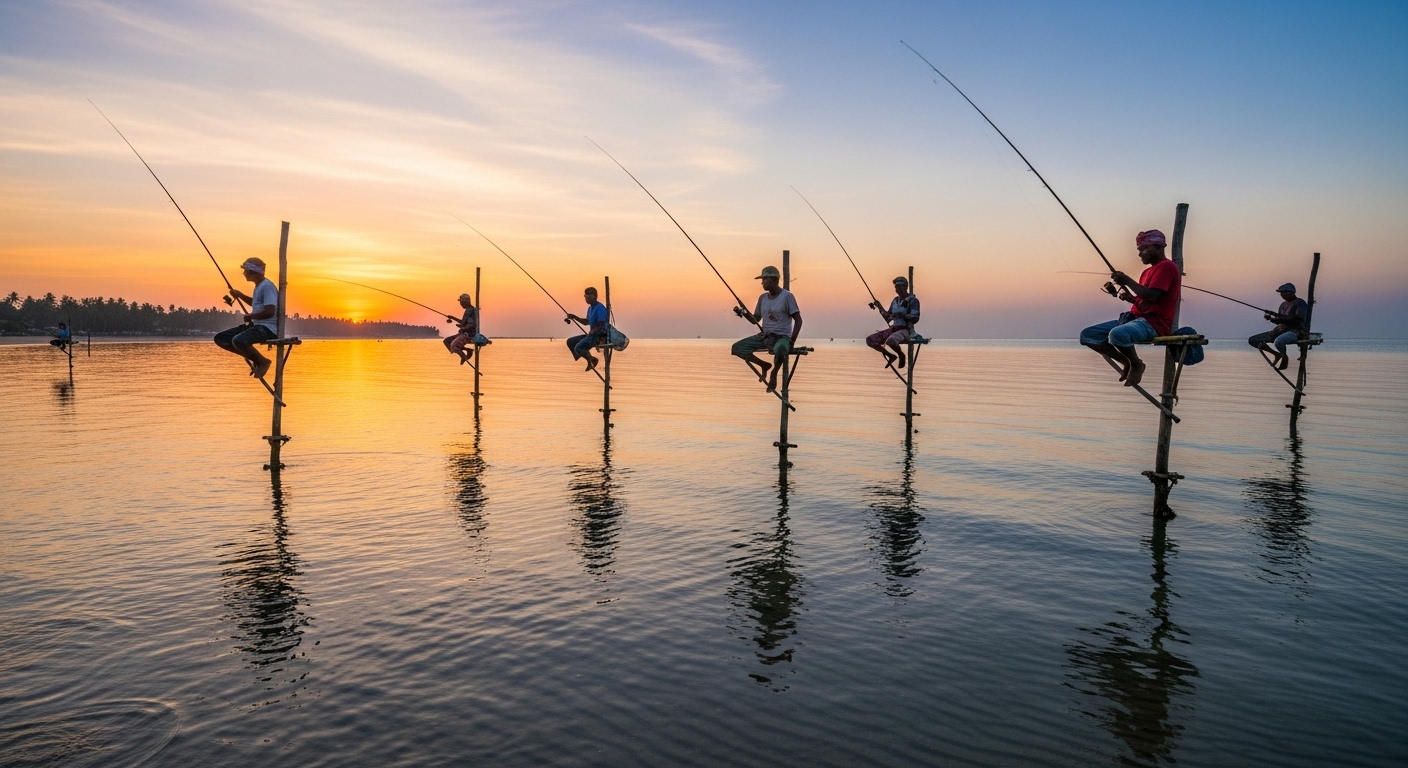
Long before GPS boats, synthetic nets, and industrial trawlers, fishing was an intimate relationship between humans, water, and time. Across the world, there are still remarkable Places Where Locals Still Fish Using Ancient Techniques, where methods passed down for centuries remain part of daily life.
These techniques are not preserved for tourists or museums. They survive because they work, because they respect ecosystems, and because communities see fishing not as an industry, but as a heritage.
Have you ever wondered how people caught fish before modern technology reshaped the oceans?
Why Ancient Fishing Techniques Still Matter Today
Traditional fishing methods evolved through generations of observation. Communities learned seasonal patterns, tides, lunar cycles, and fish behavior long before scientific charts existed.
In many Places Where Locals Still Fish Using Ancient Techniques, these practices are more sustainable than modern commercial fishing. They limit overfishing, reduce bycatch, and maintain balance within fragile ecosystems.
They also preserve cultural identity, binding communities to their ancestors and natural surroundings.
Stilt Fishermen of Sri Lanka – Balancing Over the Sea
Along Sri Lanka’s southern coast, fishermen perch on narrow wooden stilts planted into coral reefs. Sitting just above the waves, they fish using simple rods and lines.
This practice dates back centuries and requires remarkable balance and patience. Fishermen spend hours motionless, waiting for fish to bite.
Sri Lanka promotes responsible cultural tourism through Sri Lanka Tourism, helping protect this unique tradition.
Inle Lake, Myanmar – One-Leg Rowing Fishermen
On Inle Lake, fishermen are famous for rowing boats with one leg wrapped around an oar. This unusual technique allows them to stand upright while fishing with cone-shaped nets.
The elevated position improves visibility in shallow waters filled with aquatic plants.
This method reflects deep adaptation to environment and has been practiced for generations.
More information about the region can be found via Tourism Myanmar.
Kepulauan Seribu, Indonesia – Fish Traps Made of Bamboo
In Indonesia’s Thousand Islands, fishermen still construct bamboo fish traps placed strategically along tidal routes.
These traps rely on fish movement rather than force. As tides change, fish enter the traps naturally and cannot escape.
The method requires detailed knowledge of currents and seasonal patterns, passed down orally through families.

Scotland’s Salmon Weirs – Stone Walls of Precision
Along parts of Scotland’s rivers and coastlines, ancient salmon weirs made of stone still guide fish into narrow channels where they can be caught by hand or net.
These structures date back to medieval times and demonstrate sophisticated understanding of fish migration.
Scotland’s heritage conservation is supported by VisitScotland.
Japan’s Ukai Fishing – Firelight on the River
Ukai fishing is a centuries-old technique practiced on rivers such as the Nagara River in Japan. Fishermen use trained cormorant birds to catch fish at night.
Torches illuminate the water while birds dive and retrieve fish, returning them to the fishermen.
This tradition has been practiced for over 1,300 years and remains deeply ceremonial.
Japan promotes cultural preservation through Japan National Tourism Organization.
Pacific Northwest, USA – Indigenous Fish Weirs
Native American tribes along the Pacific Northwest coast have long used wooden and stone fish weirs to guide salmon during migration.
Fishing is carefully regulated by tribal customs that ensure sustainability and respect for the species.
These techniques are still taught to younger generations as part of cultural preservation efforts.
What It Feels Like to Witness Ancient Fishing Methods
Watching traditional fishing is mesmerizing. There is no rush, no engines roaring, no massive equipment.
Every movement is deliberate. Every action reflects experience earned through years of observation.
Have you ever noticed how quiet skill can feel more powerful than force?
Fishing as a Cultural Ritual, Not Just Survival
In many communities, fishing is tied to festivals, spiritual beliefs, and communal meals.
Ancient techniques often include rituals meant to honor the water, fish, and ancestors.
These customs strengthen social bonds and reinforce respect for nature.
Why These Techniques Are Disappearing
Despite their value, traditional fishing methods face threats from industrial fishing, climate change, and economic pressure.
Younger generations may migrate to cities, leaving fewer practitioners behind.
Environmental degradation also disrupts fish migration patterns, making ancient knowledge harder to apply.
How Responsible Tourism Helps Preserve Fishing Traditions
When travelers visit respectfully, they help keep these traditions alive. Local guides, demonstrations, and community-led experiences provide income without altering practices.
Airlines such as Qatar Airways and Cathay Pacific connect travelers to regions where ancient fishing techniques still survive.

The Sustainability Lesson Modern Fishing Can Learn
Ancient fishing techniques prioritize balance over profit.
They rely on timing, selective capture, and deep environmental understanding.
Modern fishing industries increasingly look to these methods for inspiration in sustainable practices.
Who Should Visit These Fishing Communities
These destinations appeal to travelers interested in anthropology, sustainability, and cultural authenticity.
They reward patience, observation, and respect rather than thrill-seeking.
Travelers often leave with a deeper appreciation for food, labor, and nature.
Why Preserving Ancient Fishing Matters
Places Where Locals Still Fish Using Ancient Techniques protect knowledge refined over centuries.
Once lost, these techniques cannot easily be recreated. They represent harmony between humans and the natural world — a balance increasingly rare.
Ancient fishing techniques are not outdated; they are timeless. They remind us that survival does not require domination, only understanding.
If living traditions like these inspire you, follow us on our social media platforms for more remarkable cultural destinations. And tell us — which ancient fishing method fascinated you the most?
Catch up on the top stories and travel deals by subscribing to our newsletter!