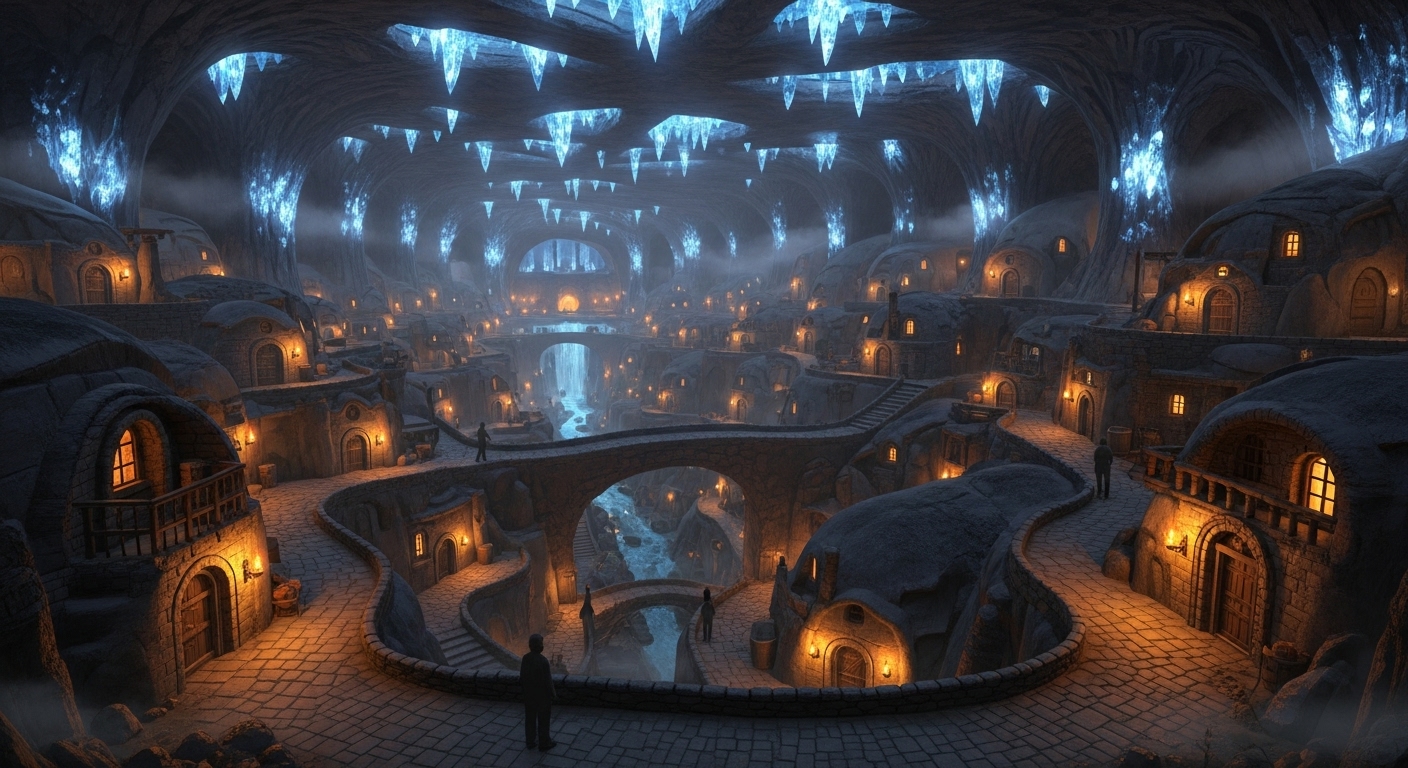
Have you ever imagined living in a village beneath the earth? Countries with entire villages built underground offer more than mystery—they reveal how humans adapt ingeniously to extreme environments. From harsh climates to the need for defense, underground villages provide shelter, community, and a glimpse into life far removed from the surface. Visiting these hidden settlements can feel like stepping into another world, where history, culture, and survival instincts intertwine in fascinating ways.
At WentWorld.com, we love uncovering unusual places that few travelers know about. Underground villages are prime examples. They combine architecture, history, and innovation while challenging our perception of what a “home” can be. Some date back thousands of years, while others continue to evolve today. Can you imagine walking through streets carved into stone, peering into courtyards hidden from the sun, or learning about how entire communities survive without direct daylight?
Exploring countries with entire villages built underground opens questions about human resilience. How did ancient societies manage ventilation, water, and food storage? How do people today maintain daily life in subterranean spaces? And most importantly, would you ever consider living in a village below the surface?
Turkey’s Cappadocia: The Subterranean Labyrinths
Turkey is renowned for its fairy-tale landscapes in Cappadocia, but beneath its valleys lie villages carved into volcanic rock. Derinkuyu and Kaymakli are two of the most famous underground settlements. These multi-level complexes extend several floors below ground and were used historically for protection against invasions. The tunnels include living quarters, kitchens, storage rooms, and even chapels. It’s incredible to see how these communities balanced privacy, defense, and ventilation.
Visiting Derinkuyu today, you can explore corridors and rooms once bustling with families. The ingenuity of ancient engineers ensured air circulation through cleverly designed shafts, while water systems were carved into the rock. More details about visiting can be found through the official Turkey tourism site.
Australia’s Coober Pedy: Life in the Opal Capital
In Australia, the town of Coober Pedy demonstrates a modern adaptation to underground living. Known as the opal capital of the world, the region’s harsh desert climate prompted residents to carve homes and businesses into the earth. Underground houses, called “dugouts,” maintain a comfortable temperature year-round, offering relief from scorching heat and freezing nights.
Walking through Coober Pedy, you encounter underground churches, shops, and hotels. It’s a living example of human innovation responding to environmental extremes. Visitors can even stay in dugout accommodations for a truly unique experience. More information on travel logistics is available at Australia.com.

Malta’s Hypogeum of Ħal-Saflieni
Malta offers an extraordinary archaeological perspective on underground living. The Hypogeum of Ħal-Saflieni, a prehistoric subterranean complex, is believed to date back over 5,000 years. While not a village in the conventional sense, it functioned as a multi-purpose underground settlement, used for rituals, burials, and daily activities. The intricate chambers and carved walls illustrate the ingenuity of prehistoric architects who made life below ground not only feasible but sophisticated.
Visitors to the Hypogeum must book in advance due to strict preservation efforts. Its narrow passageways, delicate carvings, and layered design make it one of the most remarkable underground sites in Europe. More visitor details are available through Heritage Malta.

China’s Yaodong Villages
In northern China, residents of the Loess Plateau have long relied on “yaodongs”—cave dwellings dug into soft loess soil. These underground homes, sometimes grouped together into village-like clusters, maintain warmth in the winter and coolness in summer. Over centuries, entire communities have lived in these dugouts, creating a unique architectural tradition adapted perfectly to the environment.
Yaodong villages offer an insight into sustainable living. Residents often decorate interiors with modern furnishings while preserving ancient structural methods. It’s a brilliant example of how tradition and modernity can coexist underground. More about this unique lifestyle is documented in studies on Chinese architectural heritage, including China Highlights.
France’s Underground Villages and Salt Mines
In France, several regions feature underground villages and tunnels linked to historical salt mining or defense purposes. In the Loire Valley, for instance, subterranean structures connected old towns to cellars, storage spaces, and escape routes. While many are smaller than full-scale villages, the sense of living beneath the surface is tangible. Visitors can explore these spaces to understand how Europeans historically used underground networks for security and trade.
Exploring these French underground sites reveals how communities cleverly managed air, light, and social organization below ground. For more information, check out France.fr.
Engineering and Daily Life in Subterranean Villages
Countries with entire villages built underground share several fascinating features. Ventilation shafts, water storage systems, and clever heating/cooling mechanisms were essential. These structures illustrate how necessity drives human innovation. Underground villages often include communal spaces, storage rooms, and private living quarters, revealing how societies balance community and privacy even below the surface.
Considering these aspects raises interesting questions for travelers. How would your daily life change if you lived underground? Could you adapt to limited sunlight, cooler temperatures, or the unique acoustics of subterranean dwellings?
Modern Adaptations and Tourism
Today, some underground villages continue to house residents, while others have been transformed into tourist attractions or museums. Visitors gain firsthand insights into cultural history, architecture, and environmental adaptation. Staying in dugouts, walking through ancient tunnels, or participating in local rituals helps travelers appreciate the ingenuity and resilience of subterranean communities.
Would you consider visiting an underground village on your next adventure? Or perhaps even staying in one for a night to experience life below the surface firsthand?
Why These Villages Fascinate Travelers
Underground villages captivate because they combine mystery, survival, and culture. They demonstrate human resilience and creativity. From ancient Hypogeums to modern dugouts in Coober Pedy, each location tells a story about how humans adapt to challenges. Walking through these villages feels like stepping into history while exploring innovative solutions to environmental extremes.
Have you ever visited an underground village, or is it on your travel bucket list? Which location intrigues you the most, and why? Share your thoughts in the comments; we’d love to hear about your experiences and travel dreams.
For more extraordinary travel stories, follow WentWorld.com on social media. We share hidden gems, unusual destinations, and unique experiences from around the world.
Catch up on the top stories and travel deals by subscribing to our newsletter!