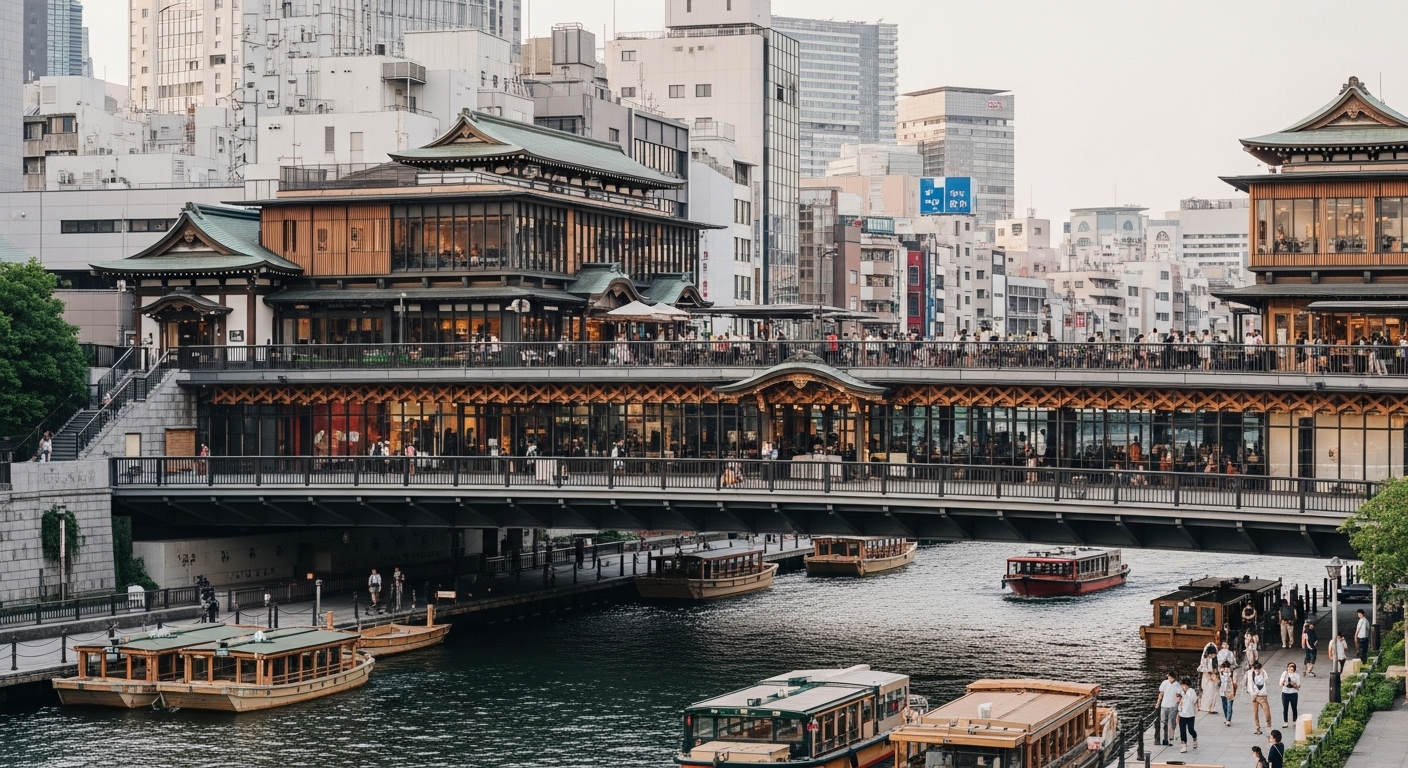
Imagine walking across a bridge that isn’t just a way to cross a river, but also a vibrant building full of life. Cities with bridges that double as buildings showcase a fascinating blend of engineering, architecture, and urban design. These bridges aren’t only functional—they house shops, residences, museums, and cafes, transforming ordinary infrastructure into extraordinary spaces.
At WentWorld.com, we love exploring unusual urban designs that push the boundaries of creativity. Bridges that double as buildings demonstrate human ingenuity: turning necessary infrastructure into thriving communities. Have you ever crossed a bridge and wondered if it could serve more than just transportation?
These multifunctional bridges combine historical necessity with modern utility. From medieval Europe to contemporary Asia, they reflect how cities evolve while adapting to geography and commerce. Would you feel amazed crossing a bridge that also hosts restaurants, apartments, and shops right above the water?
Why Bridges Were Turned Into Buildings
Historically, building on bridges maximized valuable urban space. Cities with limited land and busy riverfronts turned bridges into marketplaces, housing, or administrative centers. Bridges provided high foot traffic, making them ideal for commerce, while rivers below facilitated transportation of goods.
This combination of function and design made bridges social hubs, not just engineering structures. People lived, worked, and shopped on these bridges, blending daily life with infrastructure in ways that modern urban planners still admire.
Ponte Vecchio, Florence, Italy: Medieval Shopping Bridge
The most iconic example of a city bridge doubling as a building is Ponte Vecchio in Florence, Italy. Built in the 14th century, this bridge is lined with jewelry shops, art galleries, and souvenir stores. It spans the Arno River, offering both a scenic crossing and a bustling commercial hub.
Originally, the bridge hosted butchers and tanners, but later Florence’s Medici family replaced them with goldsmiths to improve hygiene and prestige. Today, tourists walk its cobblestone path while exploring the historic shops, making it one of the world’s most visited bridges.

Rialto Bridge, Venice, Italy: Commerce Over the Canal
Venice’s Rialto Bridge is another famous example. This Renaissance structure spans the Grand Canal and houses a series of shops, including local artisans, souvenir sellers, and boutiques. It has served as a marketplace since its construction in the late 16th century.
The Rialto Bridge highlights how architecture can seamlessly integrate utility with aesthetics. Today, it remains a must-see landmark, combining tourism, commerce, and history in one stunning structure.
High Bridge, New York City, USA: Revitalized Urban Bridge
The High Bridge in Manhattan, originally completed in 1848 as part of the Croton Aqueduct, recently underwent revitalization. While primarily a pedestrian bridge today, parts of its structure historically hosted functional spaces, including aqueduct-related buildings. It represents a modern interpretation of urban multifunctional design.
Visitors can enjoy walking paths, stunning views of the Harlem River, and historical plaques describing the bridge’s past. More details can be found via NYC Parks.
Living Bridges of Meghalaya, India: Natural Architecture
In India, the living root bridges of Meghalaya are functional bridges that also support small platforms for locals. These bridges are made from the aerial roots of rubber trees, strengthened over decades. While they don’t house shops or apartments, they are integral to daily life, connecting villages and serving as meeting points.
The living bridges reflect sustainable engineering and demonstrate how bridges can serve multiple purposes while harmonizing with nature. Travelers often marvel at these bridges, which combine utility, resilience, and aesthetic appeal.

Osaka’s Nakanoshima Bridges, Japan: Commercial Spaces Over Water
Japan’s Osaka features several bridges that incorporate commercial and residential spaces along rivers. The Nakanoshima district blends waterways with urban development, creating bridges that are bustling centers of business and culture. Cafes, offices, and small shops line certain structures, exemplifying modern multifunctional bridge design.
Information on exploring Osaka’s bridges is available at Japan Travel.
How Life Functions on Bridges
Living and working on bridges requires clever planning. Shops often have small, narrow layouts, and homes must consider structural integrity. Accessibility, safety, and utility systems are all designed to maximize limited space. These bridges demonstrate urban ingenuity, turning necessity into opportunity.
Would you enjoy living or shopping on a bridge with flowing water beneath your feet, or would it feel unusual?
Cultural and Historical Significance
Bridges that double as buildings are more than functional; they represent the history and culture of a city. Ponte Vecchio and Rialto Bridge tell stories of commerce, politics, and art. In Asia, living root bridges speak to sustainable practices and local ingenuity. Crossing these bridges is not just movement—it’s immersion into history.
Why These Bridges Fascinate Travelers
Tourists are drawn to these bridges because they combine practicality with curiosity. Unlike conventional bridges, they offer commerce, culture, and community along a path. They challenge the idea of a bridge as a simple connection, showing it can be a vibrant microcosm of urban life.
Which city’s bridge would you love to visit, and why? Have you crossed a bridge that surprised you with shops or homes above it? Share your thoughts and experiences with us.
For more stories about unique cities, architectural marvels, and hidden urban wonders, follow WentWorld.com on our social media platforms. We love sharing journeys that inspire curiosity and adventure.
Catch up on the top stories and travel deals by subscribing to our newsletter!