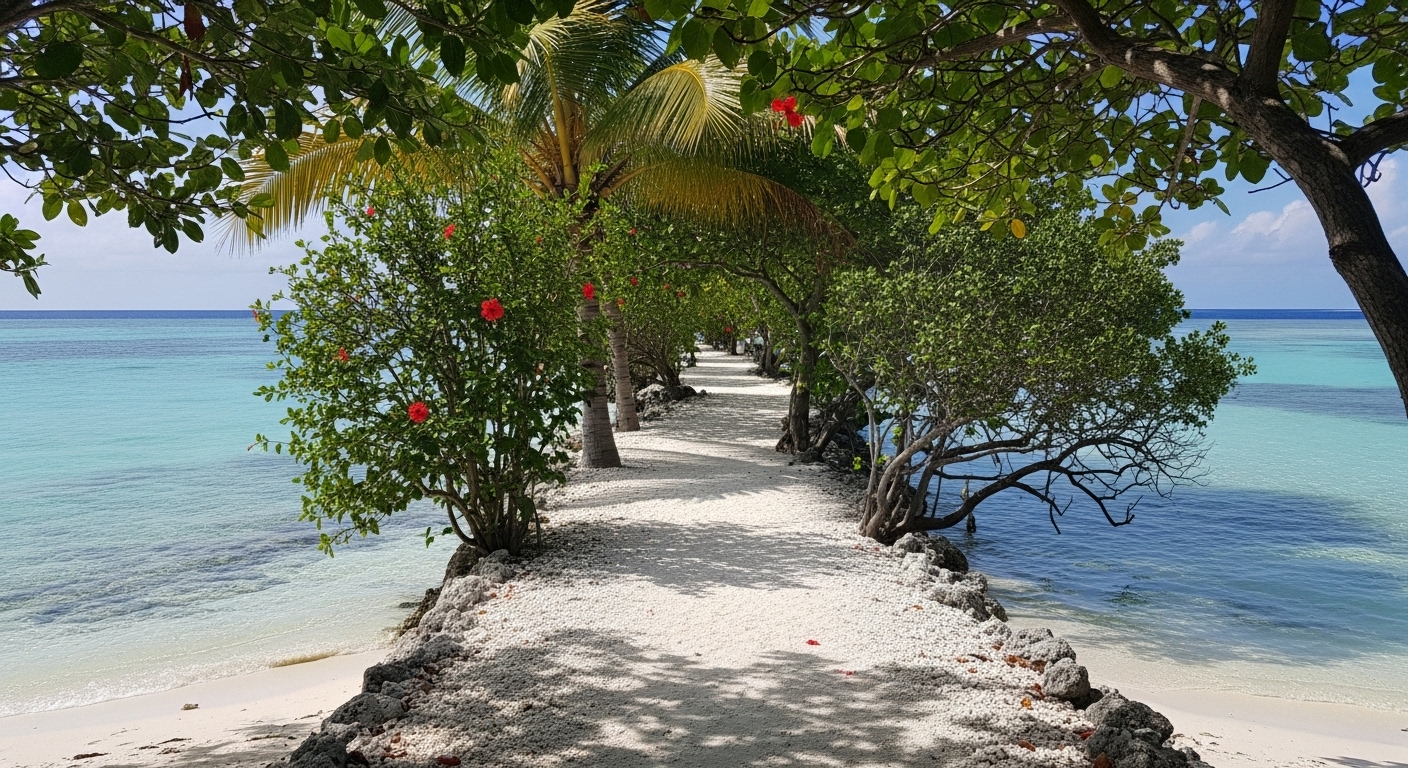
Imagine driving or walking on roads made not from asphalt or concrete, but from ancient coral fragments shaped by nature itself. It may sound unusual, but there are real islands with coral roads instead of asphalt where daily life moves across paths formed by the sea. These destinations challenge our idea of modern infrastructure and reveal how humans adapt to their environment in remarkable ways.
From remote Pacific islands to tropical coastlines shaped by centuries of marine life, coral roads tell stories of survival, sustainability, and tradition. In this blog, we’ll explore why coral roads exist, where you can find them, how they affect travel, and what makes these islands some of the most fascinating places on Earth.
What Are Coral Roads and How Are They Formed?
Coral roads are created using crushed coral, fossilized reef material, or naturally compacted coral limestone. On many small islands, asphalt is expensive to import and difficult to maintain. Instead, locals rely on materials already available beneath their feet.
Over time, broken coral pieces compress into firm surfaces that function surprisingly well as roads. These roads often appear white or pale pink and reflect sunlight, keeping surfaces cooler than traditional asphalt. This natural solution explains why islands with coral roads instead of asphalt have thrived for generations without modern paving methods.
Why Some Islands Never Switched to Asphalt
Several factors contribute to the continued use of coral roads. Remote locations increase shipping costs, limited budgets restrict infrastructure projects, and environmental awareness encourages sustainable alternatives. Asphalt can trap heat, damage delicate ecosystems, and require frequent maintenance in tropical climates.
Coral roads, on the other hand, blend naturally into the landscape. They drain water efficiently, reduce heat buildup, and preserve the island’s traditional appearance. For many communities, these roads reflect cultural identity rather than inconvenience.
Famous Islands With Coral Roads Instead of Asphalt
Only a handful of places still maintain coral roads today, making them rare and fascinating travel destinations. Below are some of the most well-known islands with coral roads instead of asphalt where visitors can witness this unique feature firsthand.
1. The Bahamas (Out Islands)
Many of the Bahamas’ lesser-developed Out Islands feature roads made from crushed coral limestone. These white roads stretch across settlements and coastal paths, creating a striking contrast against turquoise waters and pastel homes.
Coral roads remain common on islands like Eleuthera and Exuma, where locals prioritize tradition and environmental balance. Visitors often notice how cool the roads feel underfoot, even during intense summer heat. Travel planning information is available via The Bahamas Official Tourism Site.

2. Maldives
The Maldives consists of low-lying coral atolls formed almost entirely from ancient reefs. Asphalt proves impractical on many islands, so coral sand and limestone dominate road construction.
Walking across these pale coral paths feels like stepping on compressed beach sand. Many local islands still rely on coral roads, especially outside luxury resort zones. This natural infrastructure supports daily life while preserving the fragile ecosystem surrounding the islands.
3. Tuvalu
Tuvalu ranks among the world’s most remote nations, and its islands rely heavily on coral-based surfaces for roads. With limited access to imported materials, coral limestone provides a practical and sustainable alternative.
These roads connect villages, schools, and docks, playing a vital role in daily transportation. Travelers interested in climate resilience often visit Tuvalu to observe how communities adapt to rising sea levels and limited resources.
4. Kiribati
Kiribati’s islands stretch across the Pacific Ocean, built almost entirely from coral atolls. Roads here consist of compacted coral rubble mixed with sand, forming narrow paths that wind through villages.
Driving across Kiribati feels entirely different from modern cities. The sound beneath tires, the brightness of the surface, and the surrounding ocean views make travel feel deeply connected to nature.
5. Zanzibar (Rural Coastal Areas)
While Zanzibar has modern paved roads in urban centers, many rural coastal villages still rely on coral rag roads. Coral rag is a hardened coral limestone historically used in East African architecture.
These roads reflect Zanzibar’s long history of trade, adaptation, and sustainability. Visitors exploring beyond Stone Town often encounter these traditional pathways while cycling or walking through villages.

How Coral Roads Affect Daily Life
Life on coral roads moves at a slower pace. Vehicles drive carefully to avoid erosion, and walking becomes more common than driving. The reflective surface reduces heat, making travel more comfortable in tropical climates.
However, coral roads require regular maintenance. Heavy rain can cause erosion, and excessive vehicle weight damages the surface. Communities often work together to repair and maintain these roads, strengthening social bonds.
Environmental Impact of Coral Roads
Coral roads raise important environmental questions. Historically, communities sourced coral responsibly from fossilized reefs rather than living ones. Modern conservation efforts now restrict coral extraction to protect marine ecosystems.
Today, many islands with coral roads instead of asphalt balance preservation with tradition by reinforcing existing roads rather than creating new ones. This approach minimizes environmental damage while maintaining cultural identity.
Travel Tips for Visiting Islands With Coral Roads
- Wear sturdy footwear, as coral surfaces can feel rough
- Avoid driving heavy vehicles unless permitted
- Respect local conservation rules regarding coral
- Choose walking or cycling to explore villages
- Support eco-friendly accommodations and guides
Would you enjoy traveling somewhere where the road itself tells a story? Many travelers find coral roads create a deeper connection to place and history.
Why These Roads Fascinate Travelers
Coral roads remind us that modern solutions aren’t always necessary. They show how humans adapt intelligently to natural environments. Travelers often describe these roads as peaceful, visually stunning, and deeply grounding.
Experiencing islands with coral roads instead of asphalt feels like stepping back into a simpler, more harmonious way of living—one shaped by the ocean rather than machinery.
Planning Your Visit to Coral Road Islands
Most coral-road islands lie in remote regions, so careful planning helps. Airlines such as Emirates and Qatar Airways offer routes to nearby hubs, while accommodations can be arranged through Booking.com or Airbnb.
If unique landscapes and hidden traditions inspire you, follow us on our social media platforms for more rare destinations, cultural wonders, and unforgettable travel stories. Have you ever walked on a coral road, or would you add this experience to your travel bucket list?
Catch up on the top stories and travel deals by subscribing to our newsletter!