Some towns are so culturally, architecturally, or historically significant that entire communities earn the prestigious status of UNESCO World Heritage Sites. Countries with entire towns declared UNESCO sites offer travelers a chance to walk through history, admire preserved architecture, and experience local traditions that have lasted centuries.
These towns are not just museums—they are living, breathing communities where people work, shop, and celebrate while preserving extraordinary heritage. In this guide, we’ll explore some of the most remarkable countries and towns recognized by UNESCO, what makes them special, and why visiting them is an unforgettable experience.
Why Entire Towns Become UNESCO Sites
UNESCO declares entire towns as World Heritage Sites for several reasons:
- Historical significance: Towns that played major roles in trade, politics, or culture
- Architectural value: Well-preserved buildings, streets, and city planning
- Cultural importance: Living traditions, festivals, and crafts
- Natural integration: Towns harmoniously situated in landscapes, mountains, or rivers
Preservation efforts help protect these towns from modern development that could compromise their authenticity. By visiting, travelers experience the beauty of time preserved, offering a sense of connection to humanity’s shared heritage.
Top Countries With Entire Towns Declared UNESCO Sites
Here are some of the most notable countries with entire towns declared UNESCO sites that travelers often dream of visiting:
1. Italy
Italy is home to numerous UNESCO-listed towns, including the medieval city of San Gimignano, famous for its towers and narrow cobbled streets. Towns like Urbino and Assisi also showcase Renaissance architecture, churches, and fortifications that are remarkably well-preserved. Visitors can explore historic piazzas, local markets, and centuries-old artisan workshops. More details on visiting can be found at Italia Travel.

2. France
In France, towns such as Carcassonne and Provins are UNESCO-recognized for their medieval fortifications and heritage. Carcassonne’s double walls and towers transport visitors to a bygone era, while Provins hosts traditional festivals that recreate historic life. UNESCO status ensures careful preservation, making these towns ideal for travelers interested in history and architecture.
3. Spain
Spain features towns like Ávila and Toledo, where entire old quarters reflect centuries of cultural influence. Cobblestone streets, cathedrals, and palaces remain intact, offering travelers immersive experiences. Toledo, in particular, is famous for its mix of Christian, Muslim, and Jewish heritage, showcasing how multiple cultures coexist harmoniously.
4. Japan
Japan’s UNESCO-listed towns, including Shirakawa-go and Gokayama, are known for their traditional gassho-zukuri farmhouses. Surrounded by mountains, these villages offer a glimpse of rural Japanese life preserved for generations. Snow-covered winters transform the landscape into a magical scene, perfect for photography and cultural exploration. For travel planning, see Japan Travel.

5. Croatia
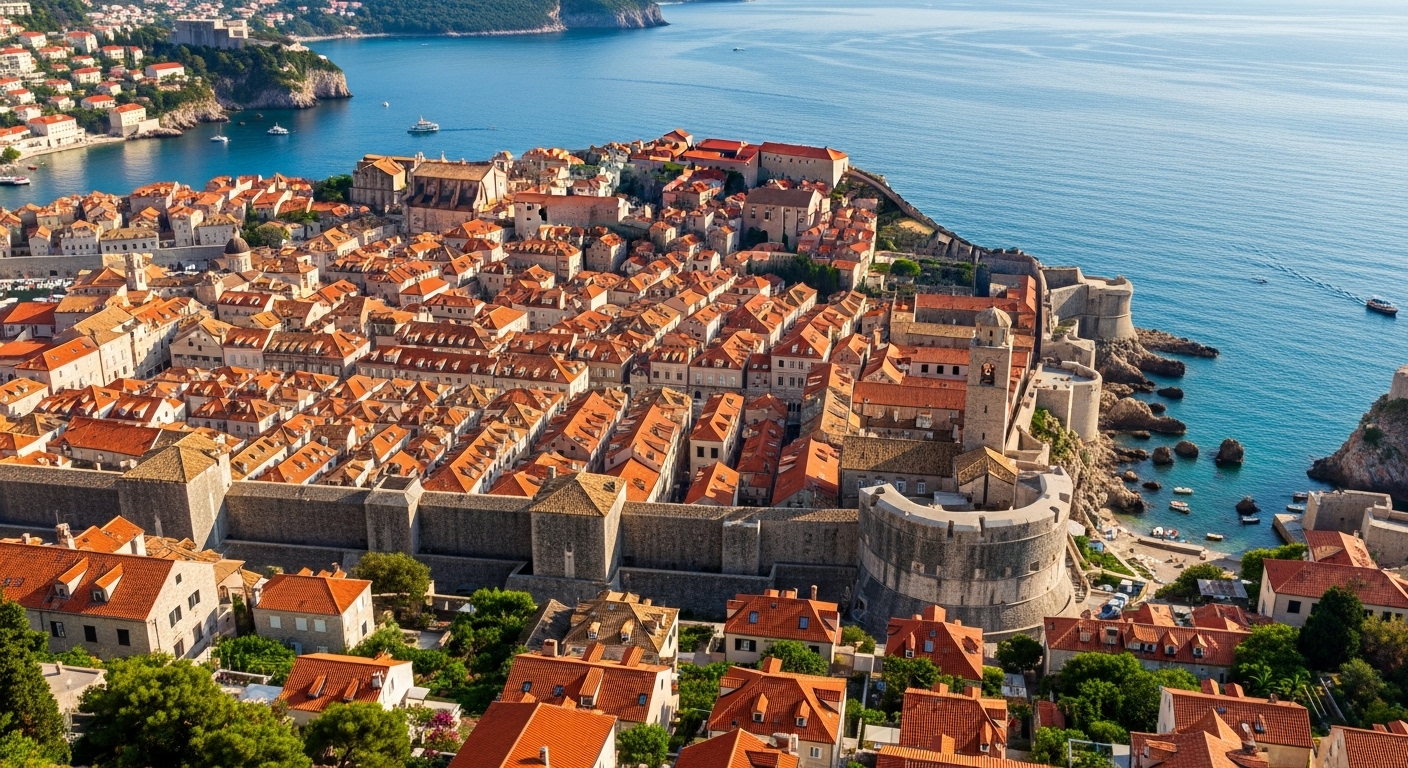
Croatia’s UNESCO towns, including Dubrovnik’s Old Town, feature stone walls, red-tiled roofs, and narrow alleyways that transport visitors back in time. The Old Town is not only historically significant but also vibrant, with cafes, museums, and local artisans keeping traditions alive. Dubrovnik offers breathtaking views of the Adriatic Sea, making it a popular destination for travelers worldwide.
6. Portugal
In Portugal, towns like Óbidos and Guimarães are UNESCO-recognized. Óbidos is known for its medieval walls and cobbled streets, often hosting cultural festivals, while Guimarães is celebrated as the birthplace of Portugal. These towns showcase Portugal’s rich architectural and cultural heritage, offering travelers authentic experiences of history and tradition.
Why Visiting UNESCO Towns Is Unique
Walking through a UNESCO town is unlike visiting a museum. You interact with locals, shop in centuries-old markets, and witness festivals that have been celebrated for generations. It’s living history. Travelers often feel a deeper connection to humanity and culture in these towns because the buildings, streets, and traditions remain active rather than static.
Travel Tips for Exploring UNESCO Towns
- Walk as much as possible to fully appreciate the architecture and streetscape
- Visit local museums, churches, and cultural centers
- Participate in traditional festivals if timing allows
- Support local artisans and markets
- Plan accommodations in historic districts for an immersive experience
Preservation and Responsible Tourism
UNESCO towns often face challenges from tourism pressure. Visitors can help by:
- Respecting local customs and regulations
- Avoiding litter and damage to historic structures
- Choosing eco-friendly accommodations and tours
- Learning about the town’s history and significance before visiting
By traveling responsibly, you ensure these extraordinary towns remain vibrant and preserved for future generations.
Planning Your Trip
Traveling to countries with entire towns declared UNESCO sites is easier with careful planning. Airlines like Emirates and Qatar Airways fly to many European destinations, while platforms like Booking.com and Airbnb offer accommodation in historic areas.
Follow us on our social media platforms for more cultural travel tips, UNESCO destinations, and hidden gems. Have you visited any UNESCO-listed towns, or is there one on your bucket list?
Catch up on the top stories and travel deals by subscribing to our newsletter!