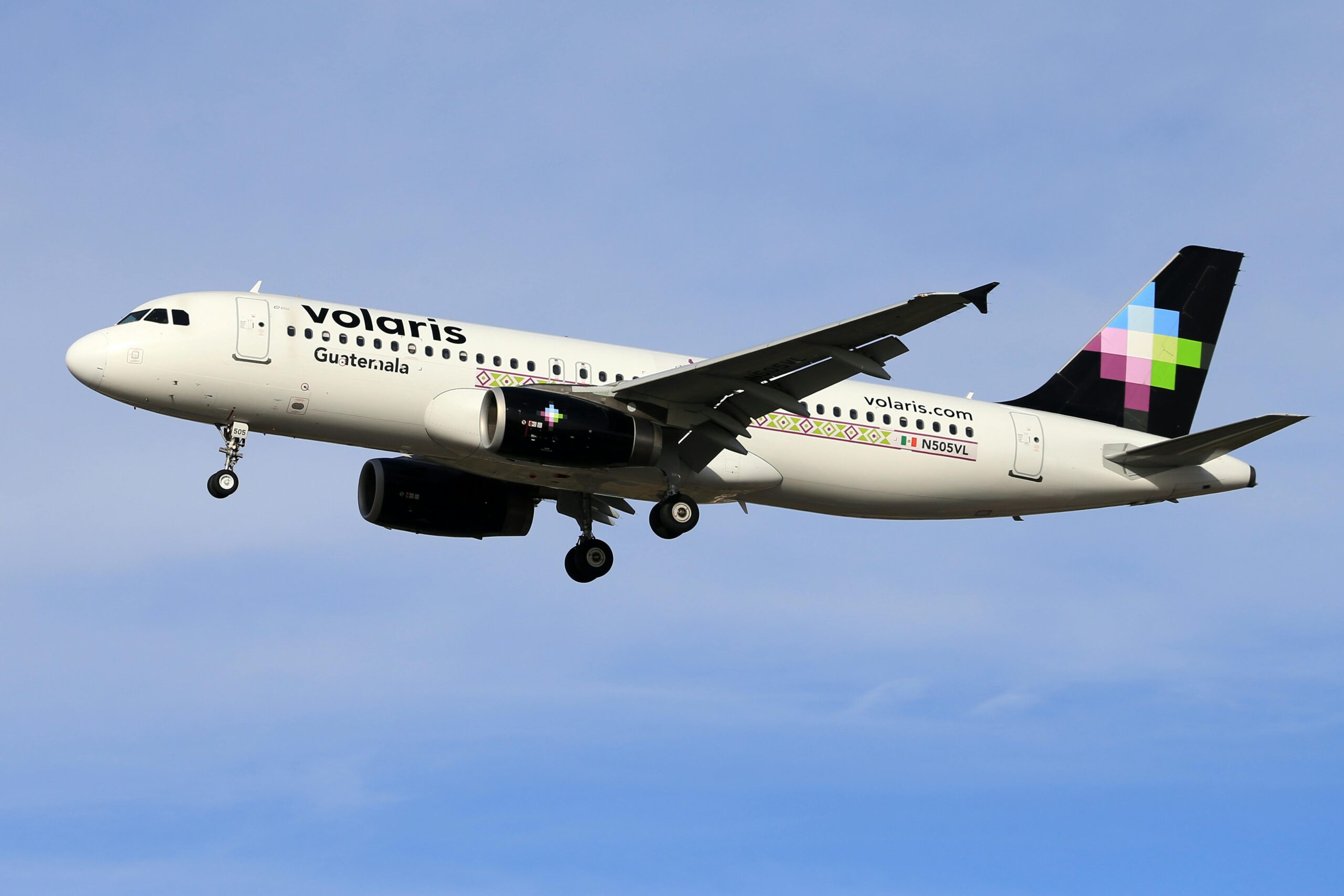
Volaris has entered a landmark merger that reshapes Mexico’s low-cost aviation market. Furthermore, Volaris and Viva Aerobus now plan a unified airline group with expanded domestic reach. Consequently, this Volaris-led deal signals a new competitive era for budget travel across Mexico.
Additionally, the merger brings together two carriers that already dominate affordable routes nationwide. Therefore, the combined group targets scale, efficiency, and broader connectivity. Moreover, both airlines will keep separate brands while sharing strategic direction.
Meanwhile, the agreement operates at a holding level rather than operational integration. As a result, travelers should see continuity instead of disruption. Furthermore, the structure allows faster growth without confusing loyal customers.
Similarly, the airlines share fleets, cost models, and route strategies. Therefore, integration should reduce expenses and strengthen scheduling flexibility. Moreover, lower costs often translate into cheaper fares.
At the same time, this consolidation arrives during industry uncertainty across Mexico. Consequently, airlines face slot disputes, regulatory pressure, and cross-border tensions. However, scale now offers protection and leverage.
Additionally, regulators must review the merger before final approval. Therefore, competition authorities will examine pricing power and market balance. Moreover, scrutiny will remain intense across domestic corridors.
Meanwhile, the combined carrier challenges legacy dominance across key airports. Consequently, competition should intensify on popular business and leisure routes. Furthermore, consumers often benefit when rivalry increases.
Likewise, regional airports could gain new frequencies and destinations. Therefore, smaller cities may see stronger economic links. Moreover, tourism growth often follows better air access.
At the same time, the group must align leadership priorities carefully. Consequently, governance balance will shape long-term success. Furthermore, a unified strategy drives sustainable expansion.
Additionally, the merger supports Mexico’s broader mobility goals. Therefore, affordable flights can boost trade, tourism, and workforce movement. Moreover, aviation growth strengthens national connectivity.
Ultimately, the Volaris merger marks a strategic shift rather than a simple alliance. Consequently, the low-cost sector now gains scale and confidence. Furthermore, travelers should watch fare trends closely.
In conclusion, this merger opens a defining chapter for Mexico’s skies. Therefore, success depends on execution, oversight, and consumer focus. Moreover, the outcome could redefine regional air travel.
Related stories:
Catch up on the top stories and travel deals by subscribing to our newsletter!