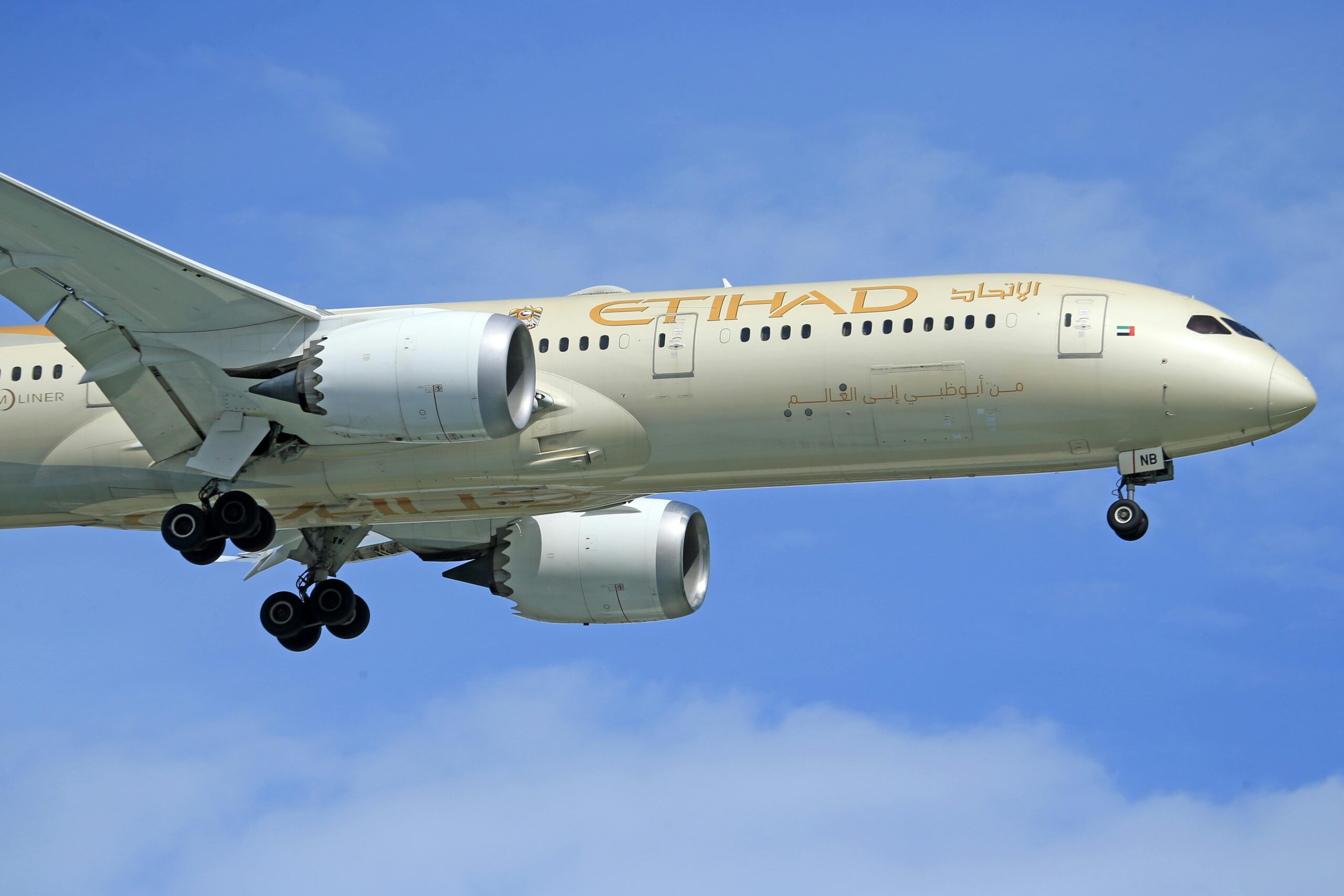
Etihad Airways has ended plans to launch flights to Algiers after regulatory pressure blocked market access. Moreover, Etihad Airways aimed to strengthen links between Abu Dhabi and North Africa through this route. Therefore, strict bilateral limits between Algeria and the UAE stopped that ambition early. Consequently, the airline removed Algiers from its future network plans.
Meanwhile, Etihad Airways originally announced the Algiers service during a broader regional expansion push. Subsequently, the airline targeted four weekly flights using efficient narrow-body aircraft. Additionally, the plan followed recent network growth across North Africa and the Mediterranean. However, regulatory resistance quickly slowed progress.
Furthermore, Algeria enforces rigid capacity sharing rules for international air services. As a result, authorities divide traffic rights equally between local and foreign carriers. Consequently, existing operators consumed all available capacity on UAE–Algeria routes. Therefore, Etihad Airways faced blocked entry despite commercial demand.
Moreover, existing carriers already operate maximum permitted frequencies between both countries. As a result, regulators offered no flexibility for additional long-haul capacity. Therefore, Etihad Airways could not finalize schedules, staffing, or sales commitments. Subsequently, uncertainty forced the airline to abandon the route.
Meanwhile, the cancellation reduces Algeria’s access to wider global networks through Gulf hubs. Additionally, the planned service would have expanded one-stop connections to Asia and beyond. Consequently, passengers lost new routing options outside European transfer points. Therefore, regulatory rigidity limited broader connectivity growth.
However, Etihad Airways now prioritizes markets with faster approvals and scalable growth potential. Moreover, the airline actively reallocates aircraft toward regions offering regulatory clarity. Consequently, this decision reflects disciplined capacity planning and commercial focus. Therefore, Algeria lost a rare long-haul growth opportunity.
Additionally, this episode highlights how regulation shapes international aviation outcomes. Furthermore, strong passenger demand alone cannot secure new routes. Consequently, airlines increasingly favor flexible markets with cooperative frameworks. Therefore, Etihad Airways shifted attention toward more accessible destinations.
Ultimately, Algeria continues to challenge foreign carriers seeking market entry. Meanwhile, Etihad Airways advances a strategy centered on efficiency and certainty. Consequently, both sides now face missed connectivity and economic benefits. Therefore, regulatory reform may decide future aviation growth paths.
Related stories:
Catch up on the top stories and travel deals by subscribing to our newsletter!