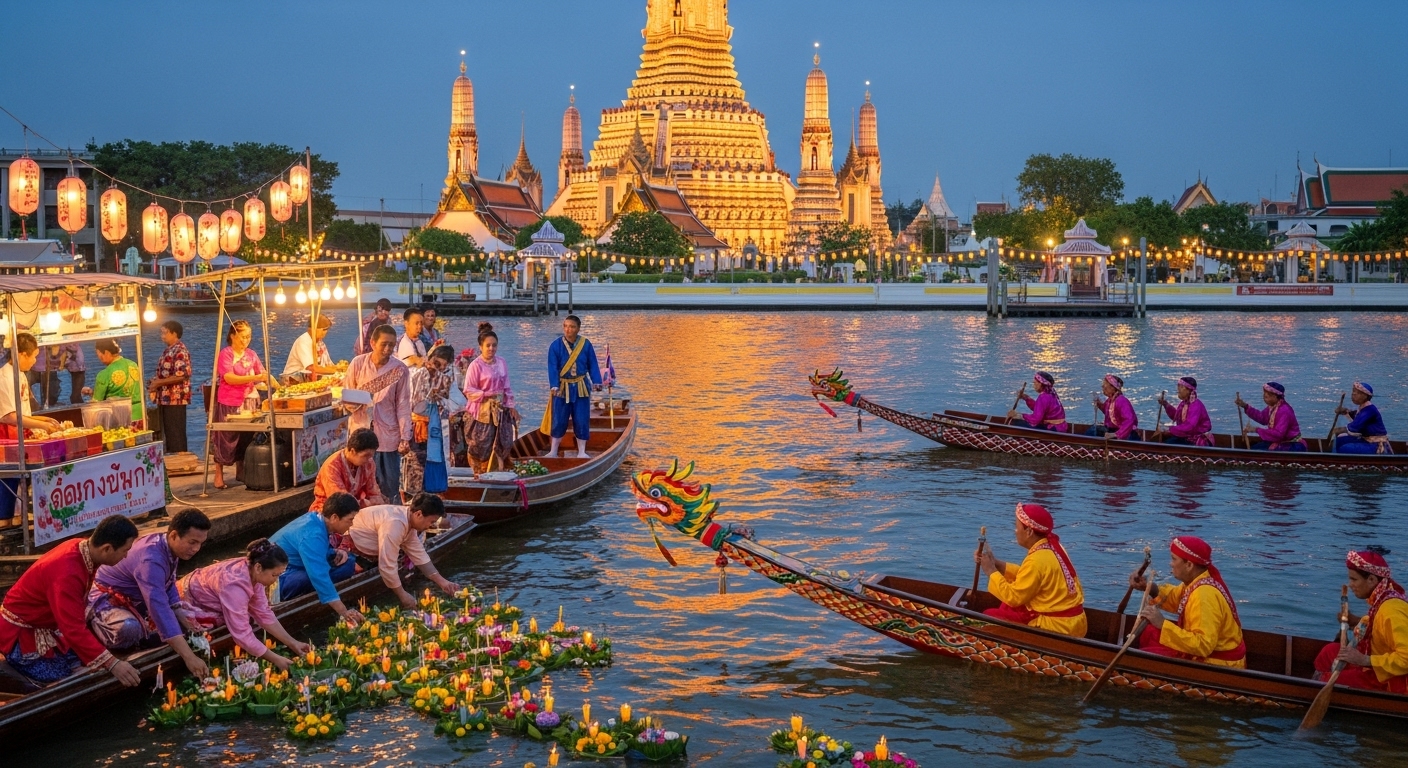
Cities that have revived ancient temples for public use showcase the perfect blend of history, culture, and community. These cities transform historic sacred sites into vibrant public spaces while respecting their spiritual and architectural significance. Visiting them allows locals and tourists alike to interact with history, spirituality, and civic life simultaneously.
At WentWorld.com, we love exploring urban spaces where heritage and daily life intersect. Cities that have revived ancient temples for public use prove that ancient architecture can serve practical and cultural functions today. Have you ever stepped inside a temple that still breathes life into a modern city?
For residents, these temples are more than monuments; they are venues for social gatherings, cultural events, and even education. For visitors, they offer immersive experiences that reveal the city’s historical depth.
Why Cities Revive Ancient Temples
Urban planners and cultural preservationists revive temples to prevent decay, maintain heritage, and integrate historic spaces into community life. Many temples were abandoned due to migration, war, or neglect. By restoring them, cities preserve architectural beauty while creating functional spaces.
Reviving temples also supports tourism, education, and cultural awareness. This approach ensures history remains accessible and relevant rather than locked away in museums.
Bangkok, Thailand: Wat Arun Alongside Daily Life
Wat Arun, the Temple of Dawn, sits along the Chao Phraya River and has been carefully maintained for public use. Beyond being a tourist attraction, it hosts festivals, meditation classes, and community events. Visitors can explore its intricate architecture while participating in traditional ceremonies.
According to Tourism Thailand, Wat Arun’s revival has strengthened cultural tourism while keeping it relevant for local residents. Would you enjoy attending a traditional festival in such a historic space?
Kyoto, Japan: Temples as Civic Hubs
Kyoto’s Kiyomizu-dera and other ancient temples have been preserved not only for sightseeing but also as community spaces. Seasonal events like cherry blossom festivals, meditation workshops, and cultural exhibitions take place within temple grounds.

Kyoto’s model demonstrates how religious sites can integrate modern civic life without losing their spiritual essence. More info is available at Kyoto Travel.
Jaipur, India: City Temples with Public Engagement
In Jaipur, several restored temples now host cultural events, educational programs, and social gatherings. The Govind Dev Ji Temple, for instance, combines daily worship with community activities and festivals, connecting locals and tourists to Rajasthan’s rich heritage.
These initiatives highlight how ancient temples can serve as living centers rather than static monuments. Learn more through Jaipur Tourism.
Beijing, China: From Ancient Temples to Community Spaces
Beijing has revived multiple temples, such as the Yonghe Temple, turning them into cultural hubs. While preserving religious practices, the temples host exhibitions, performances, and educational tours. Visitors experience traditional architecture and live cultural demonstrations simultaneously.
According to Travel China, this approach balances preservation, tourism, and public engagement, keeping ancient spaces alive in the modern city.
Rome, Italy: Pantheon and Ancient Worship Sites
Rome’s Pantheon, originally built as a temple for Roman gods, has been revived for public events, concerts, and cultural activities while still functioning as a church. It demonstrates how ancient temples can serve multiple purposes without losing historical integrity.
Local authorities and heritage organizations ensure that these spaces remain accessible while respecting their architectural and spiritual importance. More about Rome’s historical sites can be found at Turismo Roma.

How Revived Temples Impact Urban Life
Reviving ancient temples impacts cities in multiple ways:
- Cultural Preservation: Maintains historical architecture and traditions.
- Community Engagement: Offers venues for festivals, workshops, and social events.
- Tourism Boost: Attracts visitors interested in authentic cultural experiences.
- Educational Value: Provides hands-on learning about history, art, and religion.
Challenges of Reviving Ancient Temples
Preservation requires careful planning. Balancing public access with conservation, preventing structural damage, and respecting religious practices are key challenges. Yet many cities demonstrate that these challenges are manageable through sustainable restoration and adaptive use.
Tips for Visitors
- Check local guidelines for temple etiquette.
- Attend cultural events to experience the temple as locals do.
- Hire knowledgeable guides to learn about historical significance.
- Visit early or late to avoid crowds and enjoy peaceful exploration.
Why You Should Explore Revived Temples
Exploring ancient temples in active use connects you to the past in a living context. These temples tell stories not just through architecture but through ongoing practices, festivals, and community life.
Have you visited a revived ancient temple? Which city’s approach impressed you the most? Share your experiences and tips with us. We love learning from your travel stories!
For more insights into unique cultural spaces, historic preservation, and living heritage, follow WentWorld.com on our social media platforms.
Catch up on the top stories and travel deals by subscribing to our newsletter!