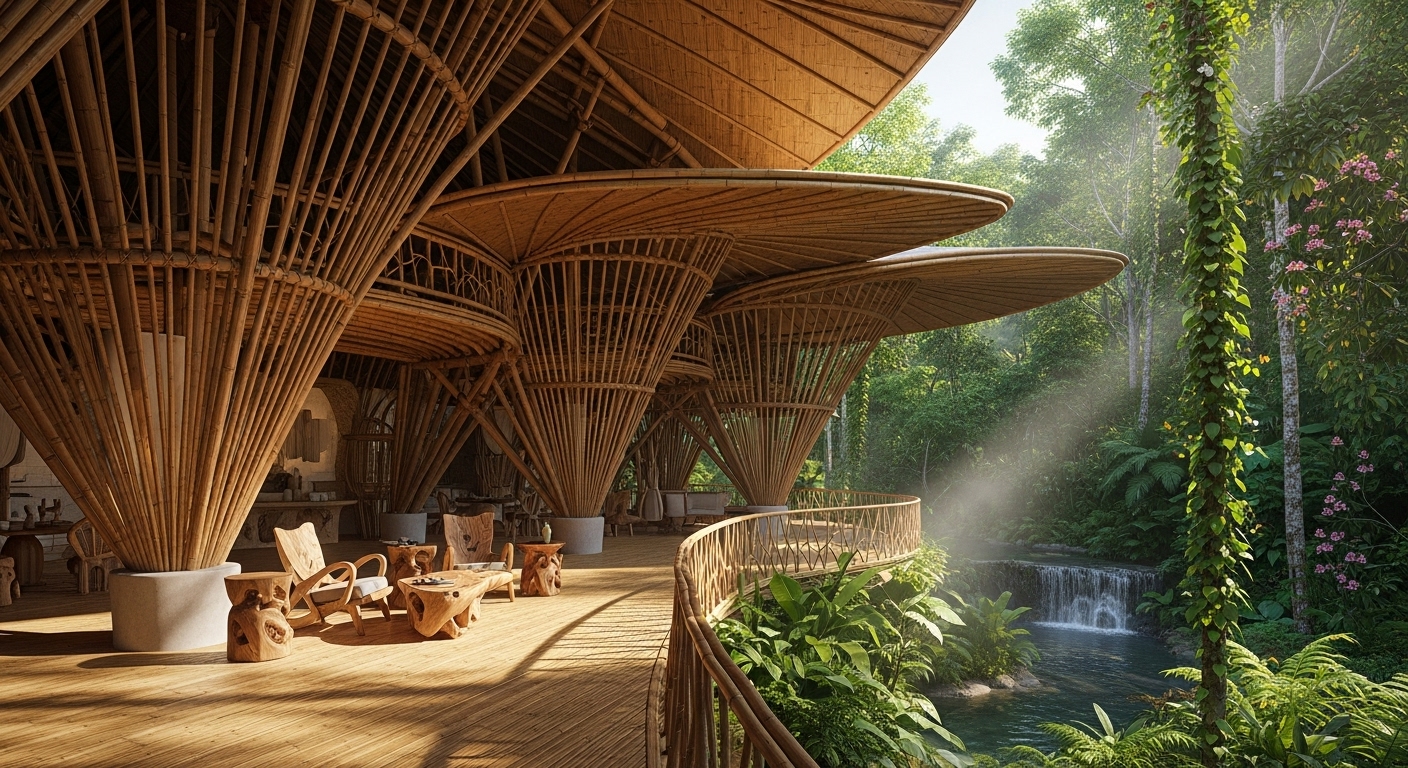
Hotels built entirely of bamboo are changing the way we think about travel, luxury, and sustainability. These remarkable structures are not just eco-friendly alternatives to concrete and steel; they are immersive experiences where nature, craftsmanship, and comfort coexist beautifully. Travelers seeking meaningful stays are increasingly drawn to hotels built entirely of bamboo because they offer something rare: a deep connection to the environment without sacrificing style or comfort.
At WentWorld.com, we explore destinations that challenge conventional tourism, and hotels built entirely of bamboo perfectly fit that vision. From lush jungles to tropical coastlines, these hotels prove that sustainability can be breathtaking. Have you ever imagined sleeping inside a structure made almost completely from a living plant?
Bamboo hotels are not experimental concepts anymore. They are fully functional, luxurious, and often more resilient than traditional buildings. With bamboo’s rapid growth, flexibility, and strength, architects are using it to create stunning hotels that feel organic, calming, and deeply rooted in their surroundings.
Why Bamboo Is Perfect for Hotel Construction
Bamboo is one of the fastest-growing plants on Earth, reaching maturity in as little as three to five years. This makes it an ideal renewable resource for sustainable architecture. Unlike hardwood trees that take decades to regrow, bamboo replenishes quickly, reducing environmental impact.
Hotels built entirely of bamboo benefit from its natural strength and flexibility. Bamboo has a tensile strength comparable to steel, making it surprisingly durable. In earthquake-prone regions, bamboo structures perform exceptionally well because they bend instead of breaking.
Additionally, bamboo naturally regulates temperature. Guests staying in bamboo hotels often notice cooler interiors without excessive air conditioning. This passive cooling reduces energy consumption while enhancing comfort.
Green Village, Bali: The World’s Most Famous Bamboo Hotel Complex
Located near Ubud, Bali’s Green Village is one of the most iconic examples of hotels built entirely of bamboo. Designed by the visionary team at IBUKU, these bamboo villas sit along the Ayung River and blend seamlessly into the jungle.
Each structure is handcrafted using traditional techniques combined with modern engineering. Spiral staircases, arched ceilings, and open-air living spaces create a sense of harmony with nature. Guests often describe staying here as transformative rather than just relaxing.
Green Village demonstrates how bamboo hotels can redefine luxury. Instead of marble floors and glass towers, luxury here means fresh air, natural materials, and immersive design. Would you trade a five-star city hotel for a bamboo villa surrounded by rainforest sounds?
Bambu Indah: Sustainable Elegance in Bali
Another standout in Bali is Bambu Indah, an eco-resort featuring antique Javanese teak houses alongside newly built bamboo structures. While not every building is bamboo, several villas showcase how bamboo architecture can deliver both comfort and visual drama.

Guests enjoy open bathrooms, river pools, and views of rice paddies, all framed by bamboo beams and woven walls. According to Bambu Indah, sustainability is integrated into every decision, from waste management to local sourcing.
Hotels built entirely of bamboo like this one emphasize slow travel. They encourage guests to pause, reflect, and reconnect with nature.
Vietnam’s Bamboo Hotels and Eco-Lodges
Vietnam has embraced bamboo architecture on a large scale, especially in eco-tourism regions. Several hotels built entirely of bamboo can be found in rural areas where traditional building methods remain strong.
Architectural firm Vo Trong Nghia Architects has designed multiple bamboo-based hospitality projects across Vietnam. Their work demonstrates how bamboo can be engineered into durable, elegant spaces suitable for hotels and resorts.
These hotels often incorporate natural ventilation, rainwater harvesting, and solar energy. Visitors experience comfort while knowing their stay supports environmentally responsible practices. Information about sustainable tourism initiatives in Vietnam can be found at Vietnam Tourism.
Thailand’s Bamboo Jungle Resorts
In northern Thailand and along the Andaman coast, bamboo jungle resorts offer immersive stays deep in nature. These hotels built entirely of bamboo often sit near forests, rivers, or beaches, creating a seamless transition between indoor and outdoor spaces.
Bamboo bungalows are raised on stilts to reduce environmental impact and protect local ecosystems. Interiors are simple yet comfortable, emphasizing natural textures and handcrafted details.
Thailand’s focus on eco-tourism has helped bamboo hotels thrive, particularly among travelers seeking authentic experiences rather than mass tourism. Learn more about Thailand’s sustainable travel initiatives via Tourism Thailand.
Africa’s Emerging Bamboo Eco-Lodges
Bamboo hotels are also emerging across parts of Africa, especially in eco-reserves and conservation areas. In countries like Rwanda and Ethiopia, bamboo grows abundantly and is increasingly used in sustainable construction.
Eco-lodges built entirely of bamboo support local economies by employing traditional builders and sourcing materials locally. Guests enjoy close proximity to wildlife while minimizing environmental disruption.
These lodges often reinvest profits into conservation and community development, making each stay meaningful beyond relaxation.
How Bamboo Hotels Support Local Communities
Hotels built entirely of bamboo often rely on local craftsmanship. Builders, artisans, and designers from nearby communities play a central role in construction and maintenance.

This approach preserves traditional skills while creating employment opportunities. Instead of importing materials and labor, bamboo hotels keep resources within the local economy.
Would you feel more connected to a destination knowing your stay directly supports local communities?
Challenges of Building Hotels Entirely of Bamboo
Despite its advantages, bamboo construction requires expertise. Improper treatment can lead to pest issues or reduced durability. Successful bamboo hotels invest heavily in proper curing, design, and maintenance.
Weather exposure is another challenge. Designers must protect bamboo from excessive moisture and sunlight without compromising aesthetics. When done correctly, bamboo structures can last for decades.
These challenges are manageable, and the growing number of successful bamboo hotels proves that sustainable architecture can be both practical and beautiful.
What It Feels Like to Stay in a Bamboo Hotel
Guests often describe bamboo hotels as calming and grounding. Natural textures, earthy scents, and open layouts create an atmosphere that modern hotels rarely achieve.
Without heavy walls or artificial lighting, bamboo hotels encourage guests to align with natural rhythms. Waking up with sunlight and jungle sounds becomes part of the experience.
Have you ever noticed how natural materials can change your mood and energy levels?
Tips for Booking Bamboo Hotels
- Check reviews for comfort and maintenance quality.
- Understand that bamboo hotels emphasize nature over luxury gadgets.
- Pack light and eco-friendly essentials.
- Respect local customs and environmental guidelines.
The Future of Bamboo Hotels
As sustainability becomes a priority, hotels built entirely of bamboo are likely to expand beyond tropical regions. Architects worldwide are experimenting with bamboo in urban hospitality projects.
These hotels represent a shift in how travelers define luxury. Experiences, sustainability, and authenticity are replacing excess and uniformity.
At WentWorld.com, we believe bamboo hotels symbolize the future of conscious travel.
Would you stay in a hotel built entirely of bamboo? What matters most to you when choosing sustainable accommodations? Share your thoughts and experiences with us—we love hearing from fellow travelers.
Follow WentWorld.com on our social media platforms for more stories about extraordinary destinations, sustainable travel, and places that redefine how we explore the world.
Catch up on the top stories and travel deals by subscribing to our newsletter!