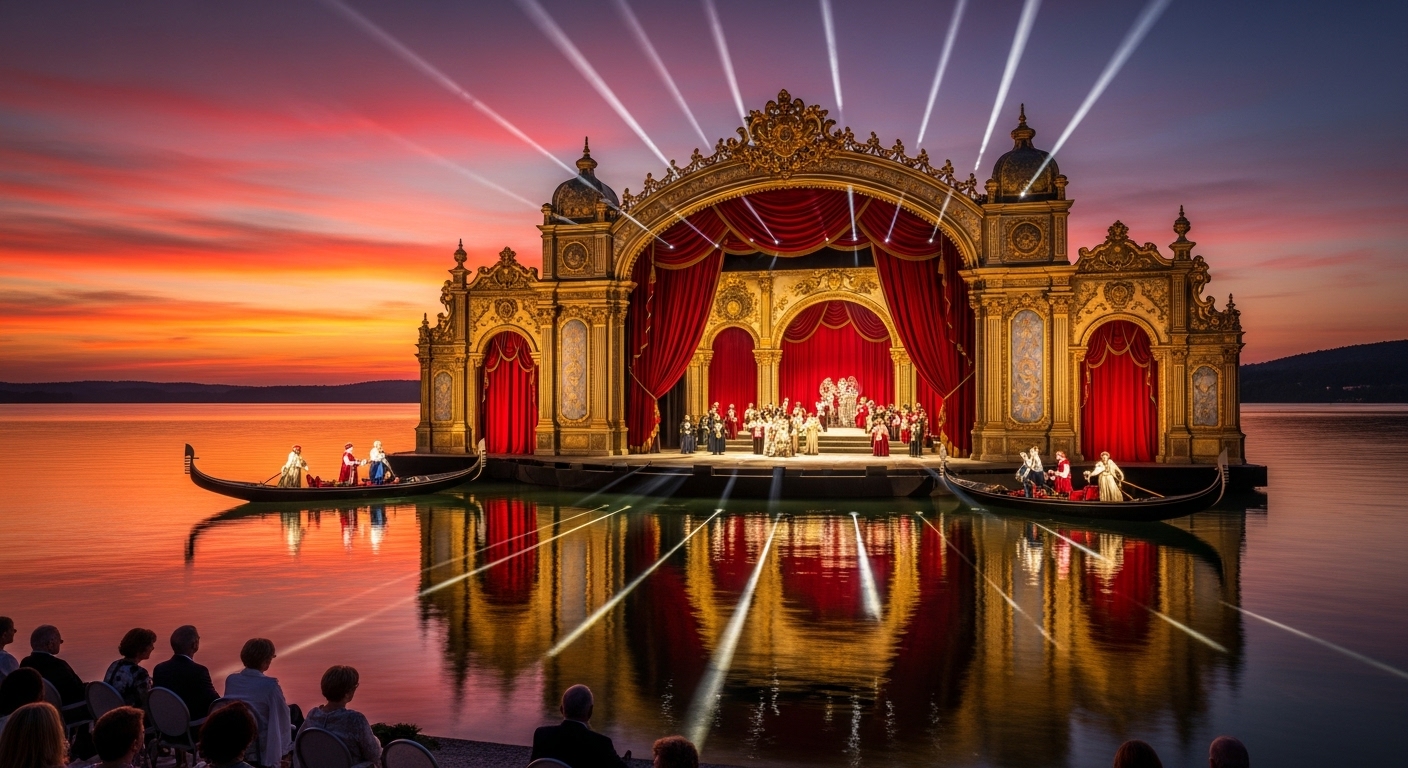
Have you ever imagined listening to an opera while the stage gently floats on water, reflections dancing around the performers as music echoes across the surface? Floating stages create exactly that kind of magic. Around the world, cities and cultural hubs have embraced floating stages for opera and concerts, turning lakes, rivers, and seas into unforgettable performance venues. Instead of walking into a traditional concert hall, audiences arrive expecting something immersive, surprising, and deeply memorable.
Interestingly, floating stages for opera and concerts are not just visual spectacles. They change how people experience sound, movement, and even emotion. Water reflects light, carries sound differently, and adds a natural rhythm that no indoor theater can replicate. As a result, performances feel alive in ways that surprise even seasoned music lovers.
Why Floating Stages Create Such Powerful Experiences
To begin with, water naturally amplifies atmosphere. When performers sing or play on floating stages, their voices often travel across the surface, creating an open and expansive sound. Moreover, the surrounding environment becomes part of the show. Birds, city lights, sunsets, and gentle waves all blend into the performance instead of distracting from it.
Additionally, floating stages encourage audiences to slow down. Unlike indoor venues where doors close and lights dim, these performances unfold under open skies. Consequently, viewers feel more connected to both the music and the moment itself. Many travelers even say that these concerts feel more emotional than traditional performances.
Bregenz Festival: The World’s Most Famous Floating Opera Stage
Without question, Austria’s Bregenz Festival stands as the most iconic example of floating stages for opera and concerts. Located on Lake Constance, this festival features massive floating sets that look more like surreal sculptures than stages. Every summer, designers create bold, imaginative backdrops that rise directly from the water.
What makes Bregenz truly special is scale. The floating stage stretches far into the lake, while thousands of spectators sit along the shore. Because of this layout, the opera feels cinematic, almost like a live movie unfolding across the water. Productions such as Carmen and Rigoletto have transformed the lake into unforgettable visual landscapes.
For more details about the festival, visit the official Bregenz Festival website:
Bregenzer Festspiele

Singapore’s Marina Bay Floating Platform
Moving from classical opera to modern performances, Singapore’s Marina Bay Floating Platform offers another remarkable example. While this venue hosts national events and pop concerts, it also demonstrates how floating stages adapt to contemporary entertainment. Positioned against the city skyline, performances here combine music, water, and architecture.
As the sun sets, skyscrapers light up behind the performers. Meanwhile, reflections ripple across the bay, turning the entire city into a backdrop. This fusion of urban energy and water-based staging proves that floating stages work just as well for modern concerts as they do for opera.
You can explore Marina Bay attractions here:
Visit Singapore
Lake Geneva Concerts and Cultural Events
Similarly, Lake Geneva frequently hosts open-air concerts and cultural performances on floating platforms. Shared by Switzerland and France, the lake already feels international, which adds another layer of intrigue. During summer festivals, stages appear directly on the water, allowing audiences to enjoy music while surrounded by alpine scenery.
Because sound travels smoothly across calm water, performers often describe these shows as deeply rewarding. At the same time, viewers feel immersed rather than separated from the stage. In many cases, boats even anchor nearby, creating floating audiences that add to the spectacle.
How Water Changes Sound and Performance
One fascinating aspect of floating stages for opera and concerts is acoustics. Water reflects sound waves differently than solid ground. As a result, music can feel fuller and more expansive. Performers often adjust their techniques slightly, projecting voices or instruments in harmony with the open environment.
Furthermore, natural acoustics reduce the need for heavy amplification. While modern technology still plays a role, water itself becomes part of the sound design. This subtle collaboration between nature and performance creates a listening experience that feels organic and intimate.
Floating Stages in Asia and Cultural Traditions
Across Asia, floating stages often connect to long-standing traditions. In parts of China and Thailand, performances historically took place near rivers and canals. Today, modern floating stages continue that legacy while incorporating contemporary production techniques.
For instance, night-time water festivals frequently feature illuminated floating platforms. Music, dance, and storytelling unfold under lantern-lit skies, creating a sense of timeless celebration. These events highlight how floating stages bridge history and innovation.
Environmental Design and Sustainability
Interestingly, many modern floating stages prioritize sustainability. Designers now use modular platforms that minimize environmental impact. Instead of permanent construction, stages assemble temporarily and then disappear without damaging ecosystems.
Because of this approach, lakes and rivers remain protected while still hosting world-class performances. As sustainable tourism grows, floating stages for opera and concerts represent a thoughtful balance between culture and conservation.
Why Travelers Seek Out Floating Stage Performances
Travelers increasingly plan trips around unique experiences rather than famous landmarks alone. Floating stages offer exactly that. Instead of simply visiting a city, visitors become part of a fleeting moment that exists only for a season or even a single night.
Additionally, these performances often combine travel, culture, and nature in one experience. Watching a concert on water feels adventurous yet refined, making it ideal for travelers seeking something extraordinary.

Future of Opera and Concerts on the Water
Looking ahead, floating stages continue to evolve. Advances in lighting, sound engineering, and stage design allow creators to push boundaries even further. At the same time, audiences crave immersive events that feel personal and unforgettable.
As cities look for innovative ways to use their waterfronts, floating stages for opera and concerts will likely become more common. Whether on lakes, rivers, or coastal bays, these stages promise to keep redefining how we experience live music.
Now, we would love to hear from you. Would you travel specifically to see an opera or concert on a floating stage? Do you prefer classical performances, modern concerts, or something in between? Share your thoughts and experiences in the comments.
If you enjoy discovering unique destinations and extraordinary cultural experiences, make sure to follow WentWorld on our social media platforms. We regularly share stories, travel ideas, and hidden wonders that inspire your next journey.
Catch up on the top stories and travel deals by subscribing to our newsletter!