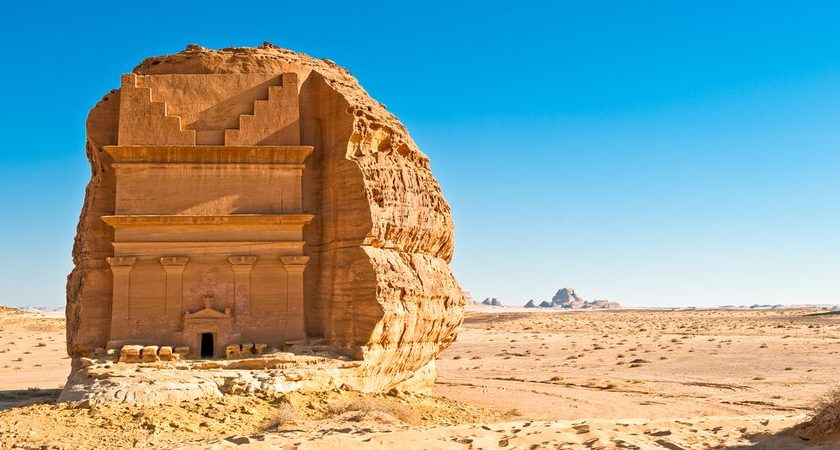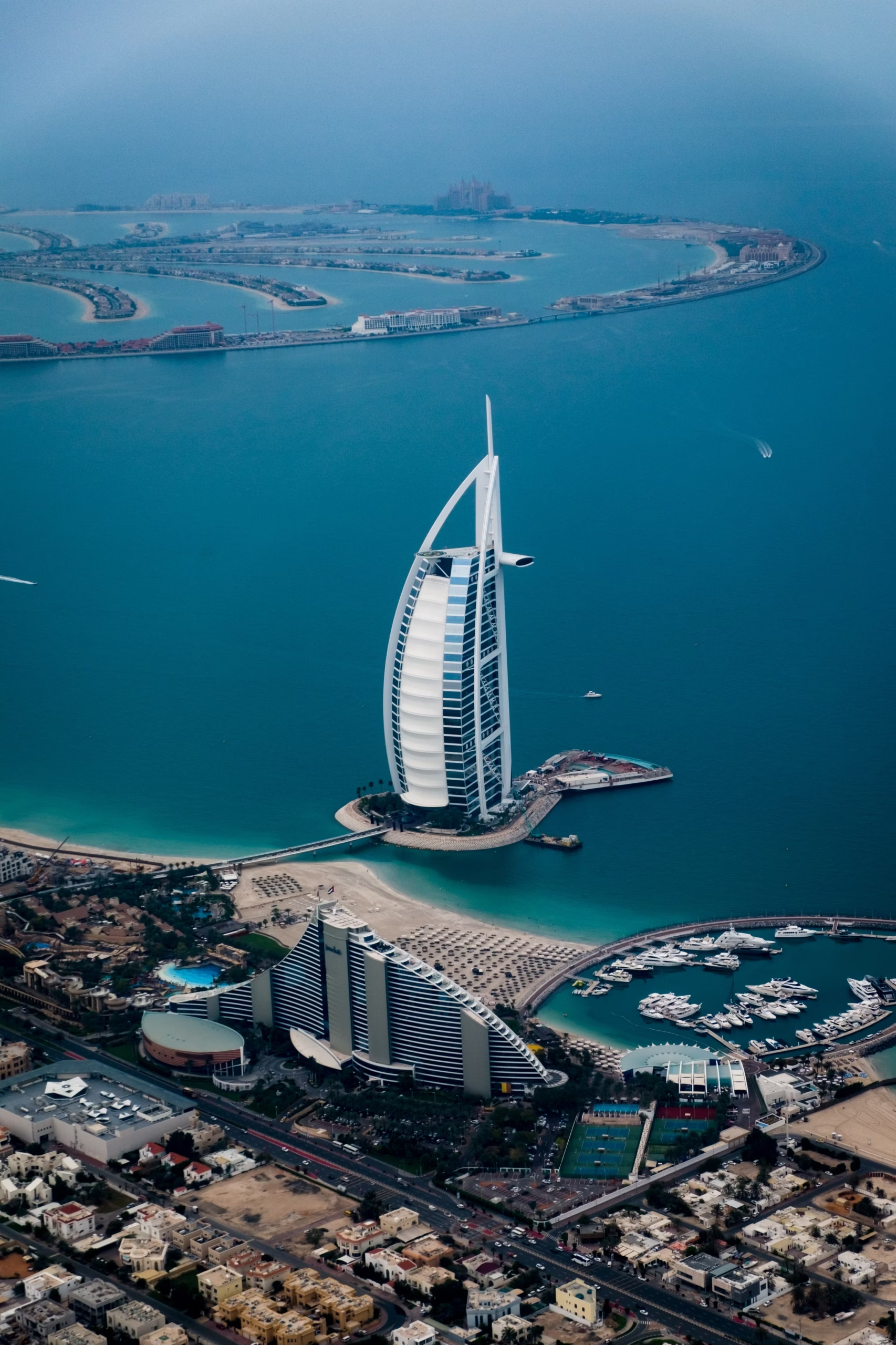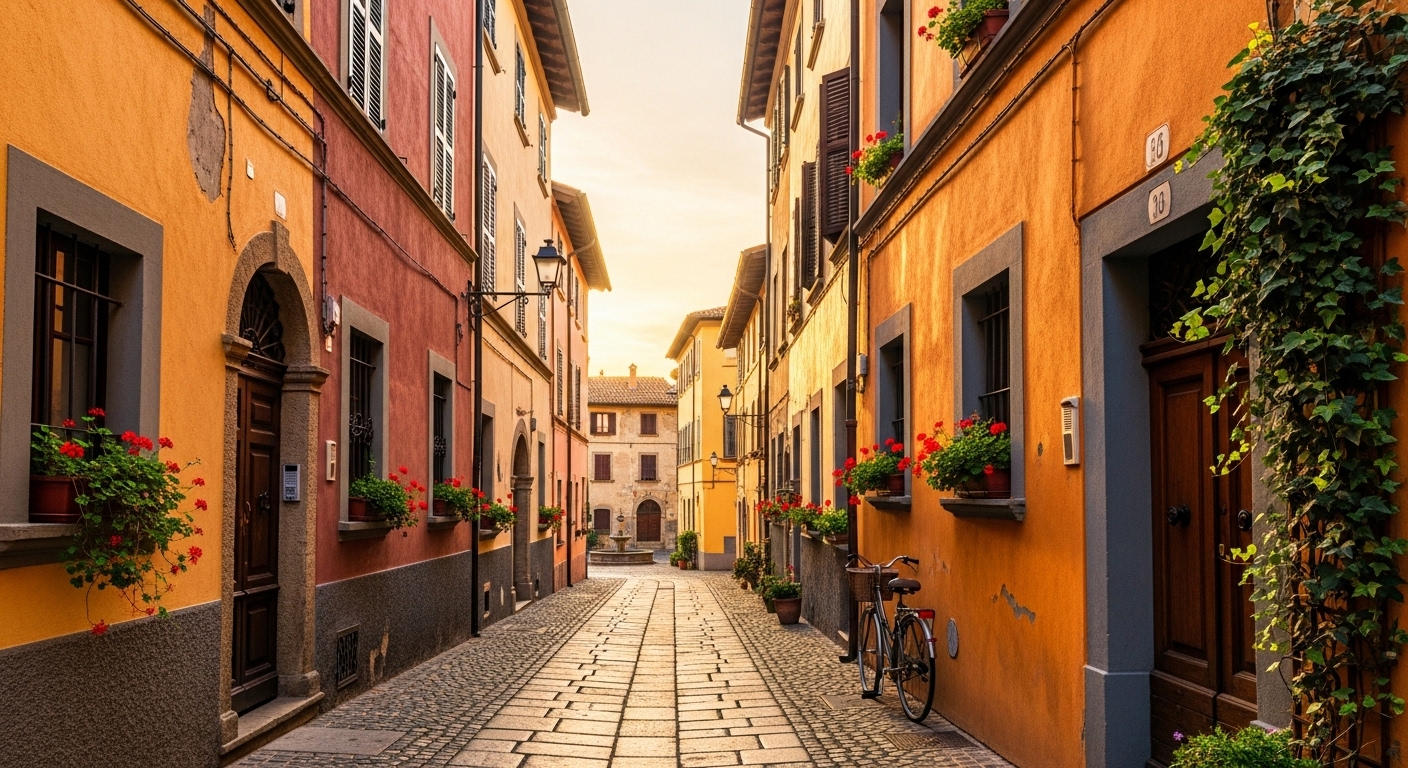
Mineral paint towns are places where color does not come from factories, chemicals, or modern coatings. Instead, entire streets glow with hues created from crushed stone, earth minerals, and natural oxides. These towns feel alive in a quieter, deeper way, because their colors come directly from the land beneath them.
Unlike painted cities where walls must be refreshed every few years, mineral-based pigments age gracefully. They deepen, soften, and blend into their surroundings. As a result, walking through these towns feels less like sightseeing and more like stepping into a living landscape.
At WentWorld.com, we explore destinations shaped by nature and tradition. Mineral paint towns show how color, culture, and geology can coexist beautifully.
What Are Mineral Paints and Why Do They Matter?
Mineral paints are made from naturally occurring pigments such as iron oxide, ochre, limestone, clay, and volcanic ash. These materials are ground into powder and mixed with binders like lime or silicate.
Because the pigment bonds chemically with stone or plaster, the color becomes part of the wall rather than a surface layer. As a result, mineral-painted buildings do not peel or trap moisture.
Why Entire Towns Chose Natural Pigments
Before synthetic paints existed, communities relied on what the land provided. Earth colors were affordable, durable, and easy to source.
Over time, these pigments became part of local identity. Colors began to signal climate adaptation, social traditions, and even protection against sunlight.
Chefchaouen, Morocco
Chefchaouen is famous for its blue-washed streets, but the original pigments came from natural minerals mixed with lime.
While modern maintenance now supplements tradition, the town’s roots remain tied to mineral-based coloring. According to Visit Morocco, the blue tones historically helped cool homes and repel insects.
Roussillon, France
Roussillon sits atop one of the world’s richest ochre deposits. As a result, its buildings glow in shades of red, orange, and gold.
The town’s streets feel warm even on cloudy days. Natural iron oxide pigments pulled directly from nearby quarries still define its visual identity.
The Provence Tourism Board highlights Roussillon as a rare example where geology determines architecture.
Burano, Italy
Burano’s bright houses may look playful, but their origins are practical. Historically, mineral pigments mixed with lime helped protect homes from salt air.
While regulations now control color choices, the tradition of natural pigments remains deeply rooted in local culture.
Jodhpur, India
Known as the Blue City, Jodhpur’s historic buildings were originally coated with lime and mineral pigments.
The blue hues reflected heat and helped control insects. Over time, the color became a defining symbol of the city.
According to Incredible India, these mineral coatings also helped preserve stone structures in extreme climates.

Why Mineral Paints Age So Beautifully
Unlike synthetic paints that fade unevenly, mineral pigments react naturally with light, air, and moisture.
As years pass, colors soften instead of cracking. This aging process gives streets a layered, textured look that feels organic rather than worn.
Environmental Benefits of Mineral Paints
Mineral paints are breathable, non-toxic, and low in environmental impact.
They reduce mold growth and improve indoor air quality. Because of this, many modern eco-projects now revisit ancient mineral techniques.
How Walking These Streets Feels Different
Streets painted with natural pigments absorb light rather than reflecting it harshly.
This creates a calm visual experience. Colors feel grounded, earthy, and emotionally soothing.
Travelers often describe these towns as peaceful, even when crowded.
Mineral Color and Cultural Identity
In many towns, color was never decorative alone. It marked profession, community, or protection.
Mineral paint towns preserve this silent language through their streets.

Photography in Mineral Paint Towns
Soft daylight works best. Early morning and late afternoon bring out subtle textures.
Close-up shots reveal mineral grains embedded in walls, telling stories invisible from afar.
Why These Towns Resist Modern Uniformity
Global cities increasingly look alike due to standardized materials.
Mineral paint towns resist this trend by remaining tied to local earth and history.
They remind us that beauty does not need perfection—only authenticity.
Would You Live on a Naturally Colored Street?
Would living among walls colored by the ground beneath your feet feel more meaningful? Or do modern finishes still feel more appealing?
Your answer reveals how deeply place and material influence emotion.
The Future of Mineral Paint Towns
As sustainable building regains importance, mineral paints are quietly returning. Some towns now restore buildings using original pigments, protecting both heritage and environment.
Mineral paint towns prove that color does not need artificial brilliance to leave an impression. When streets are painted with the earth itself, the result feels timeless.
Follow WentWorld.com on social media to explore destinations where culture, nature, and design merge naturally.
Catch up on the top stories and travel deals by subscribing to our newsletter!