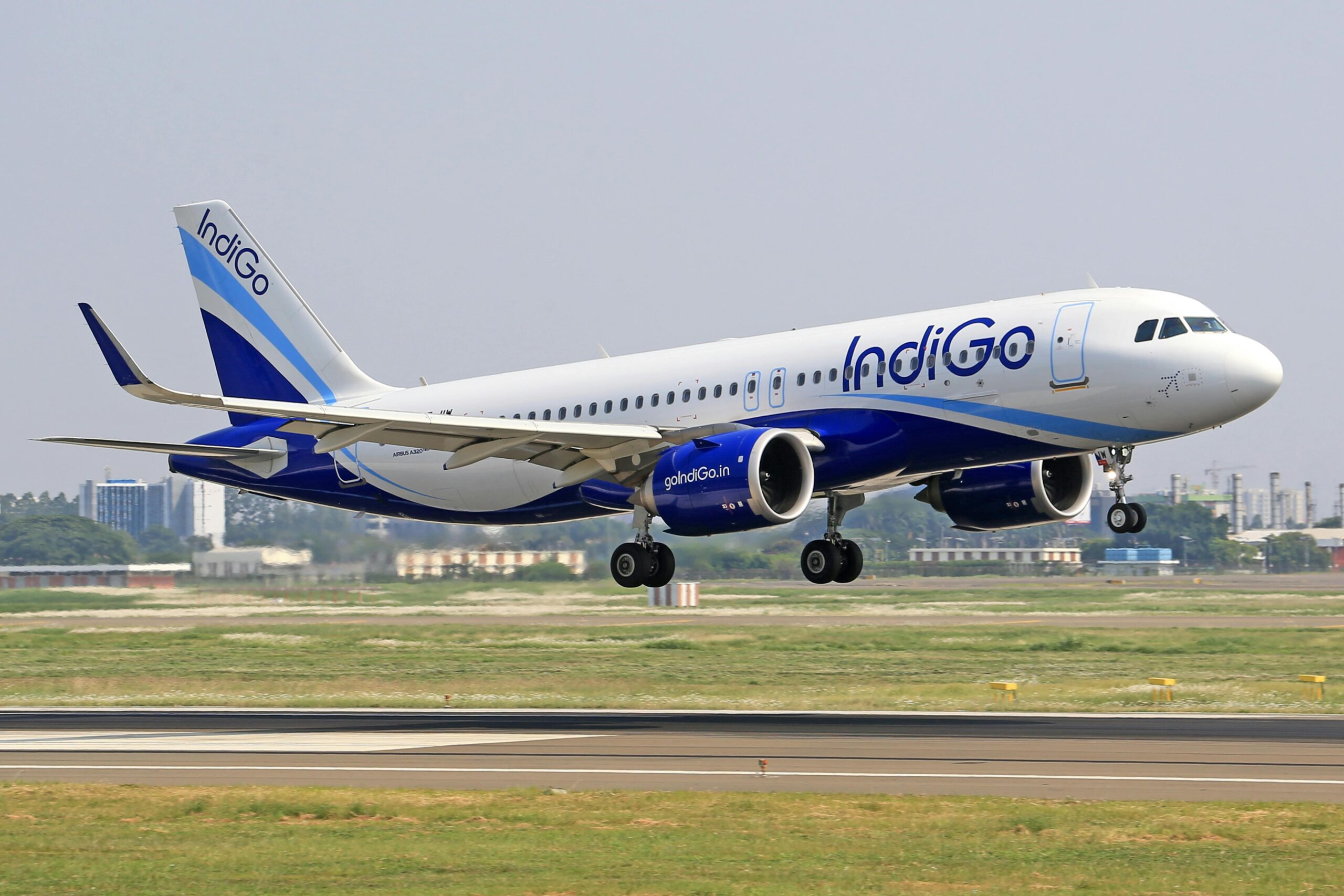
Navi Mumbai International Airport opened with energy and strong demand across the metropolitan region. Moreover, Navi Mumbai International Airport quickly attracted travelers seeking smoother, faster airport access. Consequently, the launch reflected rising travel appetite across Mumbai’s expanding urban corridors.
Furthermore, the opening on December twenty-five marked a major infrastructure milestone for regional aviation growth. Additionally, the airport answered long-standing capacity pressure affecting Mumbai’s primary aviation gateway. As a result, travelers immediately shifted interest toward the new facility.
Before launch, passenger demand already showed momentum through strong advance bookings and seat occupancy. Subsequently, airlines experienced sharp booking acceleration once scheduled services officially began. Therefore, the airport entered operations with confidence and operational readiness.
On opening day, Navi Mumbai International Airport processed thousands of travelers with consistent operational flow. Moreover, arrivals and departures both recorded high load factors from early morning schedules. Consequently, the airport demonstrated a strong balance between inbound and outbound demand.
Meanwhile, the following day delivered even higher passenger throughput across terminal facilities. Additionally, steady growth confirmed sustained interest beyond opening-day curiosity. Therefore, the airport validated its immediate relevance for daily travel needs.
Importantly, Navi Mumbai International Airport now eases congestion pressure at Mumbai’s older airport. Furthermore, travelers from Navi Mumbai, Thane, and nearby districts gain shorter surface travel times. As a result, the region benefits from improved journey efficiency.
Economically, the airport strengthens Navi Mumbai’s position as a rising commercial hub. Moreover, improved air access encourages business travel, tourism flows, and regional investment activity. Consequently, employment creation and service demand continue rising.
Operationally, the airport delivered smooth passenger processing through modern terminal systems. Additionally, efficient ground handling supported punctual departures during peak movement windows. Therefore, early performance built traveler confidence.
Looking ahead, airlines plan expanded schedules to meet growing passenger preference patterns. Furthermore, infrastructure scalability supports higher volumes without operational strain. As a result, Navi Mumbai International Airport positions itself as a long-term aviation anchor.
Overall, the airport’s opening week confirmed unmet demand for modern air infrastructure. Moreover, early traffic strength signals sustained adoption across traveler segments. Consequently, Navi Mumbai International Airport reshapes regional connectivity and future travel planning.
Related stories:
Catch up on the top stories and travel deals by subscribing to our newsletter!