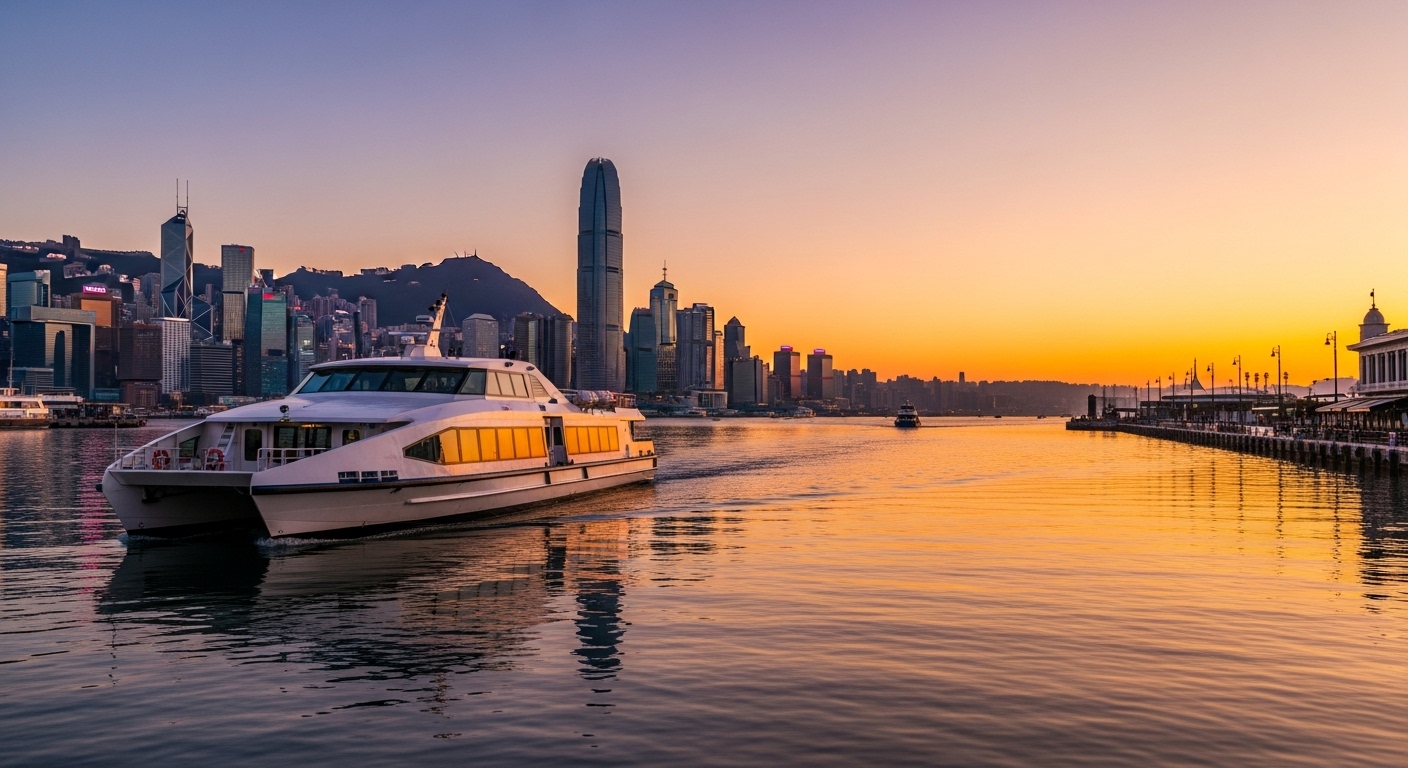
Imagine a city where the harbor isn’t just a scenic backdrop, but a functional part of daily life. Harbor cities with free commuter ferries turn waterways into open highways, making travel efficient, scenic, and cost-free. These ferries are more than transportation—they are an invitation to see urban landscapes from a refreshing perspective, glide past iconic architecture, and experience the rhythm of city life from the water.
Many travelers overlook the hidden convenience and beauty of these ferries. Yet locals rely on them daily, commuting to work, school, or errands. Riding a free ferry offers both practicality and the chance to discover a city in ways that cars and buses simply cannot.
Have you ever considered that a boat ride could be part of your daily commute—and also a sightseeing adventure?
Why Free Ferries Change Urban Travel
Free commuter ferries reduce congestion on roads while encouraging sustainable mobility. They connect neighborhoods separated by water, making islands, peninsulas, and waterfront districts more accessible. At the same time, they offer tourists and locals alike a slower, more scenic alternative to traditional transport.
Unlike expensive sightseeing cruises, free ferries are integrated into public transit systems. Their schedules, boarding points, and routes are designed for efficiency as well as enjoyment. Riders experience the city from a unique vantage point while blending seamlessly with everyday life.
Famous Harbor Cities That Offer Free Ferry Services
Some cities have become renowned for combining functionality and charm. In Stockholm, Sweden, the SL public ferries allow commuters to traverse islands at no cost, offering stunning views of historic buildings and waterfront parks. Traveling these routes gives passengers a sense of the city’s connection to water and nature.
In Hong Kong, certain harbor ferries connect districts at no charge, letting locals cross Victoria Harbour quickly while providing tourists with an unplanned sightseeing opportunity. The city’s ferry terminals themselves become cultural touchpoints, often lined with markets, eateries, and vibrant street life. Travel insights are available on Discover Hong Kong.
San Francisco also experiments with free or subsidized ferry services connecting downtown piers with waterfront neighborhoods. Riders can enjoy views of the Golden Gate Bridge, Alcatraz Island, and the city skyline without paying the typical tourist cruise fees. Details are available through the SFMTA.

What Makes Riding Free Ferries Unique
Commuting via ferry transforms how residents experience their city. Morning rides may offer a peaceful start with mist hovering over the water. Evening trips reveal city lights reflecting across the harbor. Unlike land-based transport, ferries provide both pace and perspective—fast enough to get you where you need to go, slow enough to notice details.
For tourists, free ferries turn ordinary commuting into discovery. Neighborhoods, hidden docks, and waterfront parks suddenly become part of the itinerary. You may stumble upon a local café or artisan shop that never appeared on a map.
Design and Operations of Free Ferry Systems
Modern commuter ferries prioritize efficiency, accessibility, and sustainability. Many vessels are electric or hybrid-powered, minimizing emissions and noise. Boarding ramps accommodate bicycles, wheelchairs, and strollers, making ferries universally accessible. Harbor cities continually invest in docks, scheduling systems, and signage to ensure these free services remain convenient and safe.
Urban planners recognize that water-based transport enhances quality of life. Free ferries reduce traffic jams, promote walking, and support tourism, all while emphasizing the city’s maritime heritage.
Community and Cultural Benefits
Harbor cities with free ferries nurture community interactions. Locals chat, commuters share brief smiles, and tourists mingle with residents. Ferries become floating social spaces that blend everyday life with leisure. Festivals often utilize ferry routes, turning ordinary commutes into cultural events with decorated vessels and special programs.

These waterways also inspire public art. Murals on docks, sculptures along the harbor, and interactive installations at terminals transform the commuting experience into a visual journey. Cities like Sydney, Australia, with its ferries across Sydney Harbour, illustrate how functionality and cultural enrichment can coexist. Visit Sydney.com for insights on ferry programs and local experiences.
Travel Tips for Experiencing Free Ferries
To make the most of free commuter ferries, plan around schedules, weather, and sunset hours. Morning rides offer calm waters and soft light, while evening trips highlight city lights. Bring a camera for scenic perspectives and check local transport websites for route maps.
Many ferries allow bicycles on board, combining water travel with cycling adventures. Pack light, respect boarding protocols, and take advantage of the open decks for the best views. Local guides often recommend routes that combine ferry rides with walking tours or waterfront dining.
Riding a free commuter ferry is about connectivity, discovery, and appreciation. It turns a mundane commute into an opportunity to engage with the city, observe daily life, and embrace the water. These ferries remind us that mobility can be sustainable, scenic, and socially enriching all at once.
Would you take a free ferry ride just to explore a city differently? Share your thoughts and any experiences you’ve had on water-based urban transport!
For more stories about innovative travel and unique urban experiences, follow WentWorld on our social media platforms and stay inspired for your next adventure.
Catch up on the top stories and travel deals by subscribing to our newsletter!