In some cities, grocery shopping does not involve parking lots, shopping carts, or traffic lights. Instead, it happens on water. In canal cities with boat-only grocery stores, daily necessities arrive by boat, float past front doors, and dock where streets would normally begin.
These cities challenge the idea that roads are essential for everyday life. Waterways serve as streets, boats replace delivery trucks, and grocery stores adapt to a rhythm shaped by tides, currents, and canals. Life here flows differently, literally and culturally.
What would your weekly shopping look like if the road outside your home was a canal?
What Are Boat-Only Grocery Stores
Boat-only grocery stores are shops that can be accessed primarily or entirely by water. In these canal cities, customers arrive by small boats, and supplies are delivered via barges instead of trucks.
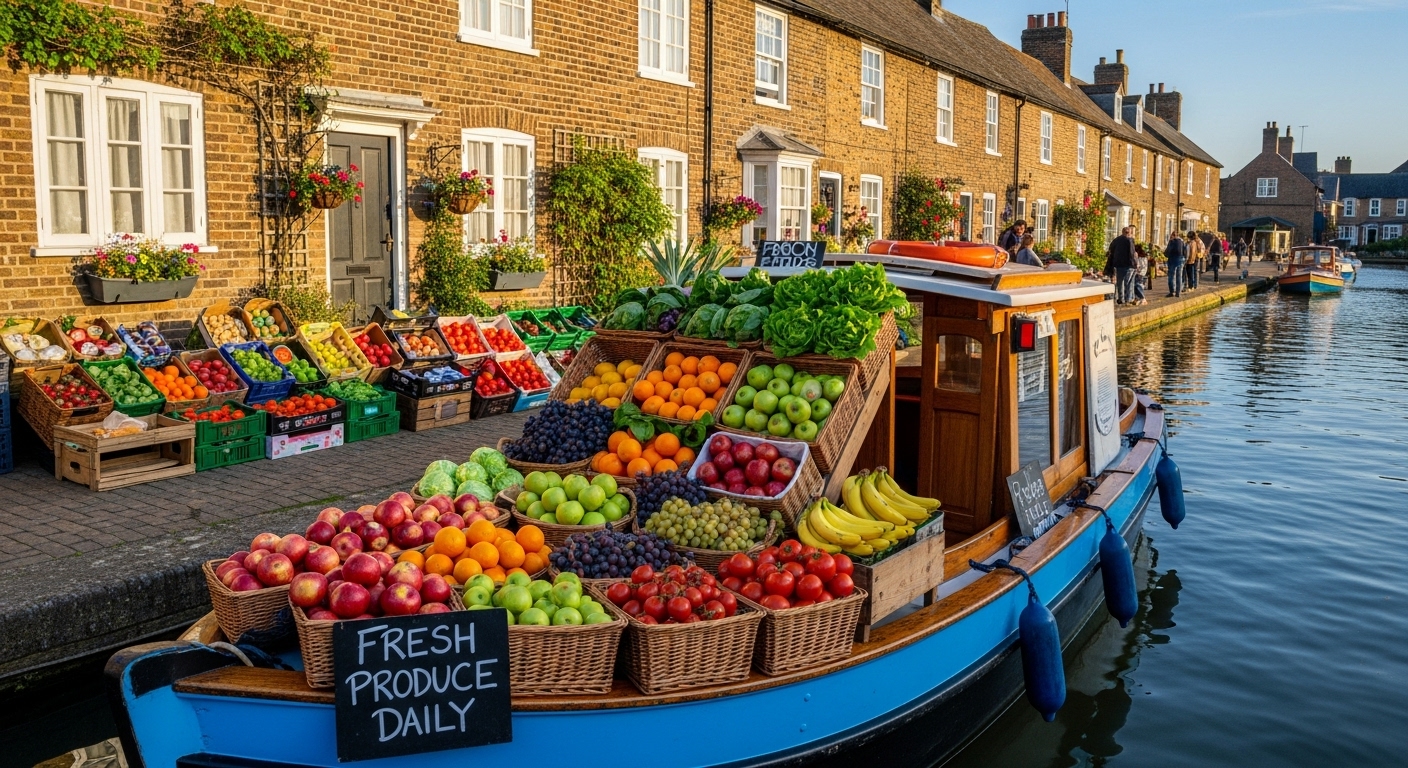
Some stores float permanently on the water, while others are fixed buildings with docks instead of driveways. In a few places, grocery boats travel from canal to canal, acting as mobile markets that stop directly outside homes.
Why Canal Cities Depend on Water-Based Shopping
Canal cities with boat-only grocery stores often developed before modern roads existed. Narrow streets, fragile historic centers, or island geography made road expansion difficult or impossible.
Rather than reshaping the city for cars, residents adapted daily life to water. Grocery shopping by boat became normal, practical, and deeply embedded in local culture.
Even today, these systems remain efficient. Boats navigate canals that cars cannot, avoiding congestion and reducing noise and pollution.
Venice: The Most Famous Floating Grocery Network
Venice is the world’s most iconic canal city, and many of its grocery deliveries still happen by boat. Supermarkets and small food shops receive produce, bread, and bottled water via canal barges that dock directly at their entrances.
Some neighborhoods rely on mobile grocery boats that sell fruits, vegetables, and household goods directly to residents. These boats announce their arrival with familiar calls, turning shopping into a daily ritual. Official visitor information about Venice can be found at Venezia Unica.

Amsterdam’s Water-Based Supply Chains
Amsterdam may have roads, but its canals remain active logistics routes. In parts of the city, grocery deliveries are increasingly shifting back to electric boats to reduce emissions and protect historic streets.
Some specialty food suppliers and floating markets operate entirely from boats, serving canal-side homes and houseboats. These efforts align with the city’s sustainability goals, highlighted by I amsterdam.
Bangkok’s Floating Markets and Daily Food Boats
In Bangkok, canals known as khlongs support vibrant water-based food systems. While many floating markets now cater to visitors, local grocery boats still serve canal communities.
Vendors sell fresh produce, fish, cooked meals, and household items directly from narrow wooden boats. For residents, shopping happens at the edge of their homes, no land travel required.
Smaller Canal Towns With Floating Shops
Beyond famous cities, smaller canal towns across Asia and Europe rely on boat-only grocery access. In parts of the Netherlands, Thailand, and Vietnam, villages are connected primarily by water.
In these places, grocery boats act as lifelines. They bring essentials to elderly residents, families, and businesses without the need for long travel. The arrival of the grocery boat is both practical and social.
What Grocery Shopping by Boat Feels Like
Shopping in canal cities with boat-only grocery stores feels slower and more personal. Instead of rushing through aisles, customers talk directly to vendors. Transactions happen at water level, often with neighbors nearby.
The soundscape is different too. Water laps against hulls, oars dip quietly, and conversations replace checkout beeps. Even routine shopping becomes an experience shaped by place.
Have you ever thought of grocery shopping as a moment of calm?
How Supplies Reach These Floating Stores
Behind the scenes, complex logistics keep these systems running. Larger supply boats transport goods from mainland warehouses to canal-side hubs. From there, smaller boats distribute items to individual stores.
In Venice, delivery schedules are carefully planned to avoid congestion in narrow canals. In Amsterdam, electric cargo boats are increasingly replacing diesel engines to reduce environmental impact.

Environmental Benefits of Water-Based Grocery Systems
Canal cities with boat-only grocery stores often produce lower transport emissions per delivery compared to car-based systems. Boats can carry large loads efficiently and avoid stop-and-go traffic.
Noise pollution is also reduced. Many modern grocery boats use electric motors, creating quieter neighborhoods. Water-based logistics support sustainability while preserving historic urban fabric.
Challenges of Living Without Road Access
Boat-only grocery access is not without challenges. Bad weather, flooding, or maintenance issues can disrupt supply routes. Deliveries may take longer, and options can be more limited.
However, residents adapt. Communities share resources, plan purchases carefully, and value reliability over convenience. The trade-off is a lifestyle deeply connected to water and place.
How Visitors Can Experience This Way of Life
Travelers can observe boat-only grocery systems by staying in canal-side accommodations or houseboats. Morning hours are often the best time to see delivery boats in action.
Walking along canals, watching goods unloaded directly into shops, offers insight into how these cities function daily. Airlines such as KLM and Emirates connect travelers to major canal cities worldwide.
Why These Cities Still Matter Today
Canal cities with boat-only grocery stores show that modern life does not have to rely entirely on cars. They offer real-world examples of alternative urban systems that prioritize sustainability, history, and human-scale living.
As cities search for cleaner transport solutions, these water-based traditions feel increasingly relevant rather than outdated.
If your groceries arrived by boat each week, how would it change the way you plan, shop, and connect with your neighborhood?
For more stories about cities shaped by water, movement, and unconventional systems, follow WentWorld and continue exploring how places around the world live differently.
Catch up on the top stories and travel deals by subscribing to our newsletter!