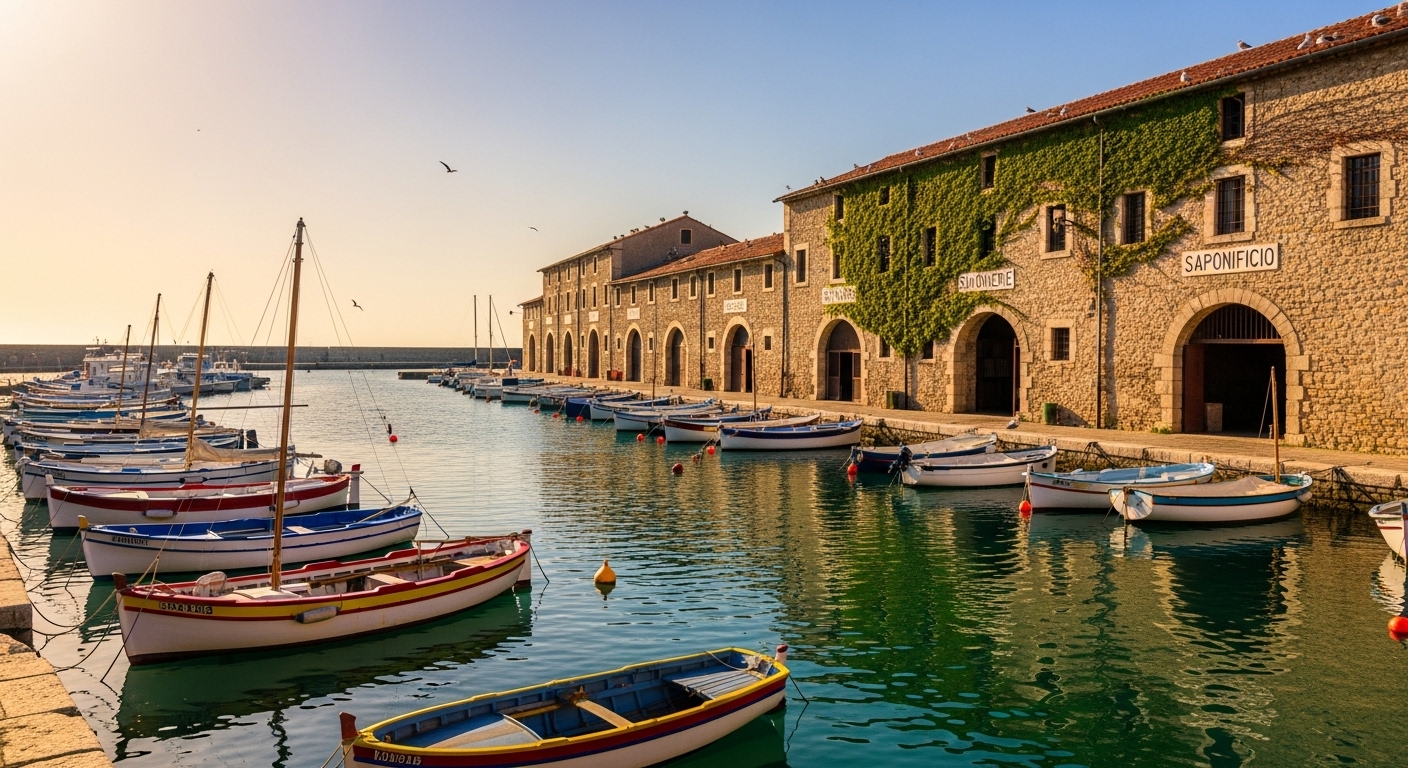
Historic Soap-Making Ports You Can Tour reveal a side of global trade that feels both ordinary and extraordinary. These ports once shipped a product so common that few people stopped to think about its origins. Soap traveled alongside spices, textiles, and metals, quietly shaping economies and daily routines across continents.
Long before modern factories and packaged bars, coastal cities perfected soap-making using local oils, ash, and sea access. Historic Soap-Making Ports You Can Tour still carry traces of this legacy in their warehouses, streets, and lingering scents of olive oil and salt air.
Have you ever wondered where everyday essentials came from before industrial production? Walking through these ports turns that simple question into a layered story of trade, craftsmanship, and cultural exchange.
Why Soap Became a Coastal Industry
Soap production depended on ingredients that coastal regions could easily access. Olive oil, animal fats, salt, and alkaline substances formed the foundation of early soap recipes. Ports provided efficient transport routes for both raw materials and finished goods.
Historic Soap-Making Ports You Can Tour thrived because ships connected producers to distant markets. Soap makers relied on steady exports to maintain growth, while traders valued soap as a practical commodity that survived long voyages.
Coastal locations also simplified waste disposal and water access, both essential for large-scale soap production. These practical advantages helped ports transform small workshops into influential industrial hubs.
Soap as a Symbol of Cleanliness and Status
Soap once represented more than hygiene. In many societies, its use signaled wealth, refinement, and access to trade networks. Scented soaps, in particular, became luxury items for elite households.
Historic Soap-Making Ports You Can Tour often supplied royal courts and wealthy merchants. Port records show detailed accounts of scented oils, floral additives, and custom batches created for specific buyers.
Do you associate soap with luxury today, or has its everyday presence changed how we value it?
Mediterranean Ports That Defined Soap History
The Mediterranean basin played a central role in soap production. Warm climates supported olive cultivation, while maritime routes connected Europe, North Africa, and the Middle East.
Aleppo, often cited as one of the birthplaces of hard soap, influenced soap-making techniques across the region. Though not strictly coastal, its products traveled through nearby ports before reaching global markets. Historical context surrounding this tradition appears in cultural archives supported by UNESCO.
Marseille emerged as a dominant soap-making port during the Middle Ages. Olive oil soaps produced here gained a reputation for quality and consistency. Many historic factories remain visible today, and tourism resources from Marseille Tourism highlight these industrial landmarks.

Atlantic Ports and Industrial Expansion
As trade expanded beyond the Mediterranean, Atlantic ports adapted soap-making traditions to new markets. Access to imported oils and colonial trade routes accelerated growth.
In cities like Cádiz and Lisbon, soap factories clustered near docks. Ships carried soap alongside sugar, wine, and textiles, integrating hygiene products into global commerce. Maritime trade records preserved by institutions such as Encyclopaedia Britannica document this expansion.
Historic Soap-Making Ports You Can Tour along the Atlantic often showcase larger industrial facilities, reflecting the shift from artisanal production to early mass manufacturing.
Walking Through Former Soap Districts Today
Modern visitors can still trace soap-making heritage through architecture and urban layout. Old warehouses, factory courtyards, and port-side alleys reveal how production once flowed from workshop to ship.
Historic Soap-Making Ports You Can Tour often incorporate museums, guided walks, and preserved machinery. These experiences provide insight into labor conditions, production methods, and the role soap played in shaping urban economies.
Do you enjoy visiting places where history remains embedded in everyday streets rather than confined to museums?
How Soap-Making Influenced Urban Design
Soap factories required ventilation, water access, and storage space. These needs shaped entire neighborhoods. Wide streets accommodated carts, while proximity to docks reduced transport time.
Historic Soap-Making Ports You Can Tour still reflect this functional planning. Even after factories closed, buildings retained their industrial proportions, often repurposed into galleries, residences, or cultural centers.
This adaptive reuse preserves history while allowing cities to evolve naturally.
The Role of Guilds and Regulations
Soap production rarely operated without oversight. Guilds controlled recipes, quality standards, and export rights. Governments imposed regulations to protect reputations associated with certain ports.
Marseille soap, for example, followed strict composition rules to maintain quality. Historic Soap-Making Ports You Can Tour frequently highlight these regulations as early examples of product certification.
Such systems helped build trust across international markets long before modern branding existed.
Scents That Traveled the World
Soap scents carried regional identity. Olive oil provided a clean base, while herbs, flowers, and resins added distinctive character.
Historic Soap-Making Ports You Can Tour often feature scent exhibitions that recreate traditional blends. These sensory experiences help visitors understand how smell influenced trade appeal.
Have you ever associated a place with a particular scent long after leaving?
Soap, Health, and Public Awareness
Soap production expanded alongside growing awareness of hygiene and public health. Ports supplied urban centers struggling with overcrowding and disease.
Historic Soap-Making Ports You Can Tour reveal how cleanliness campaigns relied on accessible soap supplies. Though medical understanding remained limited, soap played a crucial role in improving daily living conditions.
This connection between industry and public welfare adds depth to what might otherwise seem like a simple trade story.
Touring These Ports Responsibly
When visiting historic industrial sites, respect remains essential. Many former soap districts now serve as residential or mixed-use neighborhoods.
Historic Soap-Making Ports You Can Tour benefit from thoughtful tourism that values preservation over spectacle. Travel guides like Lonely Planet often emphasize respectful exploration of working cities.
Supporting local museums, artisans, and small businesses helps sustain cultural heritage.
Why These Ports Still Matter
Soap-making ports remind us that everyday objects shape history as much as luxury goods. These cities powered global hygiene improvements through steady, unglamorous labor.
Historic Soap-Making Ports You Can Tour offer stories rooted in routine rather than grandeur. That familiarity makes them relatable and quietly powerful.
Do you think travel feels richer when it focuses on ordinary industries that shaped daily life?

Personal Reflections From Modern Visitors
Many travelers leave these ports with renewed appreciation for craftsmanship. Watching soap harden, cure, and age reveals patience rarely associated with modern consumption.
Historic Soap-Making Ports You Can Tour encourage reflection on sustainability, local sourcing, and mindful production.
These lessons feel increasingly relevant in a world dominated by speed and convenience.
Historic Soap-Making Ports You Can Tour bridge the gap between the mundane and the meaningful. They show how simple necessities fueled trade, shaped cities, and connected cultures across oceans.
Walking these ports transforms soap from an overlooked object into a storyteller of human ingenuity and cooperation.
If places like this spark your curiosity, share your thoughts with us. For more journeys into overlooked histories and meaningful travel experiences, follow WentWorld on social media and stay inspired.
Catch up on the top stories and travel deals by subscribing to our newsletter!