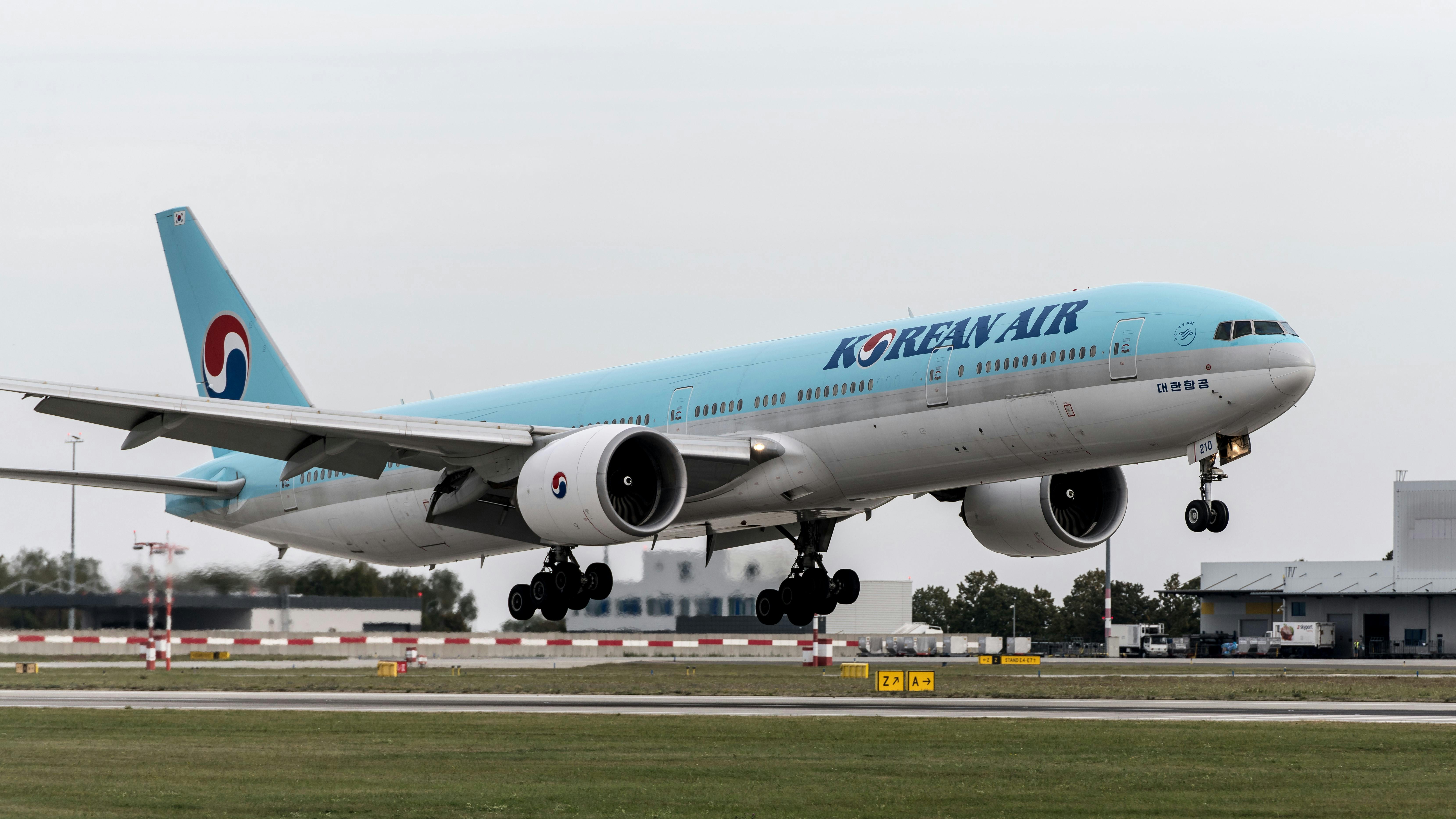
Korean Air is driving South Korea’s strongest international travel surge in years. Moreover, Korean Air benefits as Japan and China fuel rising passenger demand. Therefore, Korean Air strengthens its role as a regional aviation leader. Consequently, airlines, hotels, and destinations across South Korea gain momentum together.
South Korea enters 2025 with record international arrivals and renewed travel confidence. Moreover, Korean Air expands capacity to capture demand from nearby Asian markets. Therefore, improved air access supports faster tourism recovery and sustained growth. Consequently, airports handle heavier traffic while maintaining smooth operations.
Meanwhile, Japan continues sending strong visitor numbers due to favorable economic conditions. Moreover, affordable travel costs encourage frequent short-haul trips to South Korea. Therefore, Korean Air increases flights to meet consistent Japanese demand. Consequently, city tourism benefits from steady year-round arrivals.
China also returns as a powerful tourism driver during 2025. Moreover, easier travel access encourages millions to plan South Korean vacations. Therefore, Korean Air adds routes and schedules across major Chinese cities. Consequently, airports reach volumes close to historic highs.
Meanwhile, aviation growth quickly boosts South Korea’s hospitality sector nationwide. Moreover, hotels experience stronger occupancy across urban and resort locations. Therefore, accommodation providers expand services to match traveler expectations. Consequently, tourism revenue spreads across transport, dining, and attractions.
Seoul attracts visitors seeking culture, shopping, and modern entertainment. Moreover, Jeju Island appeals to travelers wanting nature and relaxation. Therefore, balanced tourism growth supports diverse regional economies. Consequently, local communities gain sustainable visitor income.
Meanwhile, airlines beyond Korean Air also expand international connectivity. Moreover, increased competition improves fares and travel flexibility. Therefore, travelers access South Korea with greater convenience. Consequently, demand remains resilient across seasons.
Meanwhile, government tourism initiatives support aviation-led growth strategies. Moreover, improved airport services enhance arrival experiences. Therefore, South Korea strengthens its reputation as a seamless destination. Consequently, repeat visitation continues rising.
Korean Air maintains momentum through network expansion and service upgrades. Moreover, higher frequencies ensure reliable travel planning. Therefore, travelers gain confidence when choosing South Korea. Consequently, the country secures long-term tourism growth.
Meanwhile, South Korea now stands as Asia’s most dynamic travel success story. Moreover, Korean Air anchors this transformation through sustained expansion. Therefore, 2025 marks a defining year for aviation-led tourism. Consequently, global travelers increasingly choose South Korea.
Related stories:
Catch up on the top stories and travel deals by subscribing to our newsletter!