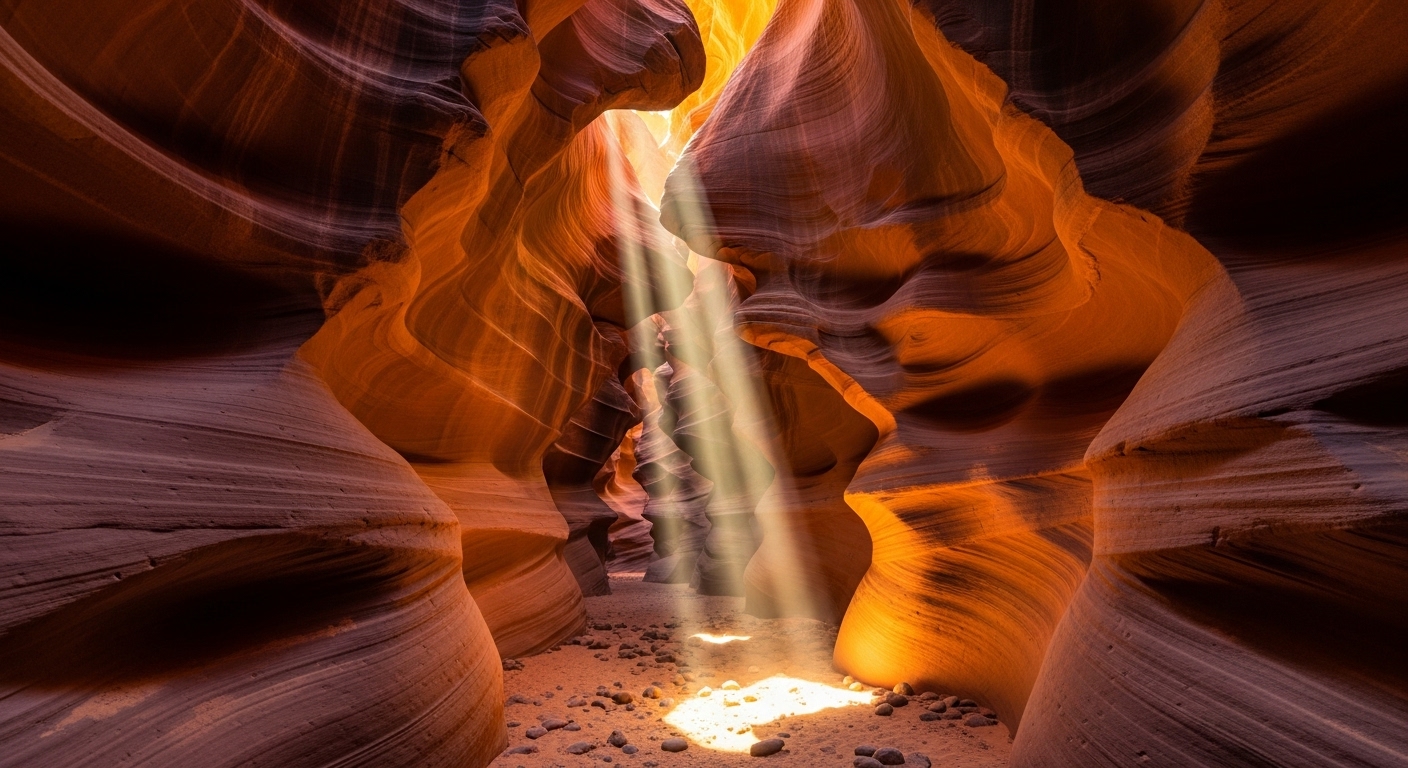
Have you ever imagined walking through a city carved entirely by wind and time? Wind-sculpted rock “cities” you can wander offer exactly that—natural landscapes that resemble urban streets, towers, and alleys, formed over millennia by the persistent force of wind. These geological wonders allow visitors to wander through labyrinthine passages, towering spires, and smooth rock walls, feeling as if they’ve stepped into another world.
Unlike man-made cities, these rock formations are shaped by wind erosion, sandblasting, and weathering processes that create intricate patterns, arches, and canyons. From the deserts of the American Southwest to remote regions of Central Asia, these “cities” attract explorers, photographers, geologists, and travelers seeking awe-inspiring scenery. In this WentWorld guide, we’ll explore some of the most remarkable wind-sculpted rock cities, their geological history, and tips for visiting them safely and responsibly.
How Wind Shapes Rock Into City-Like Forms
Wind is one of the slowest yet most powerful sculptors on Earth. Over thousands of years, persistent wind carrying sand and small particles erodes rock surfaces, carving grooves, arches, spires, and entire canyon systems. Soft rock layers erode faster than harder layers, creating patterns that resemble streets, buildings, towers, and courtyards. The result is a naturally formed “city” where every angle and passage tells a story of geological time.
Some formations even resemble iconic architectural elements: pillars look like skyscrapers, alcoves resemble windows, and narrow pathways resemble alleys. Visiting a wind-sculpted rock city is a bit like walking through a museum curated by nature itself. Have you ever felt the thrill of exploring a place where art, science, and adventure merge?
Famous Wind-Sculpted Rock Cities Around the World
Across the globe, travelers can explore remarkable rock “cities” sculpted by wind. Here are a few iconic destinations:
- Antelope Canyon, USA: Located in Arizona, Antelope Canyon is famous for its narrow, twisting sandstone passages. Formed by flash flooding and wind erosion, the canyon walls display stunning light beams and intricate curves. More details are available on National Park Service.
- Cappadocia, Turkey: Cappadocia is a surreal region of volcanic tuff formations, known for its “fairy chimneys” and cave dwellings. Wind and erosion have carved a landscape resembling an ancient city where travelers can wander through valleys and rock towers. Go Turkey offers travel tips for this region.
- Valley of the Moon, Chile: The Atacama Desert hosts the Valle de la Luna, a landscape of jagged rock spires and labyrinthine paths sculpted by wind over millions of years. Visitors often describe the scenery as alien, with naturally formed “streets” and towers.
- Wulingyuan, China: This UNESCO World Heritage Site features sandstone pillars and narrow valleys shaped by erosion and weathering. Wind-sculpted formations rise like natural skyscrapers, creating a landscape that resembles a city frozen in time.
- Al Naslaa Rock Formation, Saudi Arabia: Known for its perfect split rock and wind-carved surfaces, this formation is a natural marvel that looks almost engineered. Travelers can walk around and through some areas, feeling the sculptural power of wind and time.

Why These Natural Cities Captivate Visitors
Visitors are drawn to wind-sculpted rock “cities” you can wander for multiple reasons:
- Geological Wonder: Witnessing the sheer power of wind over millions of years fosters appreciation for Earth’s slow but transformative forces.
- Adventure: Exploring narrow canyons, climbing spires, and wandering winding paths provides a sense of discovery and excitement.
- Photography and Art: These formations create perfect landscapes for photography, painting, and artistic inspiration.
- Connection to Nature: Walking through these formations allows visitors to feel immersed in a natural environment that is untouched by humans.
Which type of wind-sculpted landscape would you be most excited to explore: narrow canyons, towering spires, or labyrinthine valleys?
Tips for Visiting Wind-Sculpted Rock Cities
Exploring these natural wonders requires preparation. Here are some essential tips:
- Check local regulations and safety guidelines. Some areas require guided tours to protect fragile formations.
- Wear sturdy shoes suitable for rocky terrain.
- Carry water and sun protection, especially in desert regions like Arizona or Chile.
- Respect natural formations—avoid climbing fragile spires or leaving trash behind.
- Plan visits around optimal lighting times for photography, often early morning or late afternoon.
Responsible exploration ensures that these wind-sculpted “cities” remain awe-inspiring for generations to come.

Scientific Insights and Educational Value
Wind-sculpted rock cities provide invaluable insights into geology, erosion, and environmental history. Students, researchers, and enthusiasts can study rock layers, sediment deposits, and wind patterns to understand Earth’s processes. Many national parks and UNESCO sites offer educational tours, combining adventure with learning. Platforms like National Geographic often feature these formations in articles exploring geological history and natural wonders.
These sites also highlight how long-term natural forces can create structures that rival human engineering in complexity and beauty.
The Future of Wind-Sculpted Rock “Cities” Tourism
As global tourism grows, cities and natural sites with wind-sculpted rock formations face challenges: environmental protection, visitor management, and sustainable infrastructure. Many regions are implementing eco-tourism strategies, using guided tours, visitor limits, and protective walkways to ensure minimal impact on these delicate landscapes.
Technology, including virtual reality tours, 3D mapping, and augmented reality, is also being used to enhance visitor experiences while minimizing physical impact. Travelers can virtually wander through intricate rock formations and learn about geological processes before exploring in person.
Would you prefer a guided tour with detailed geological explanations, or a free-form wander through these natural “cities”? Share your thoughts in the comments below.
Follow WentWorld.com on our social media channels to discover more hidden natural wonders, unusual landscapes, and travel destinations that combine adventure, history, and science.
Catch up on the top stories and travel deals by subscribing to our newsletter!