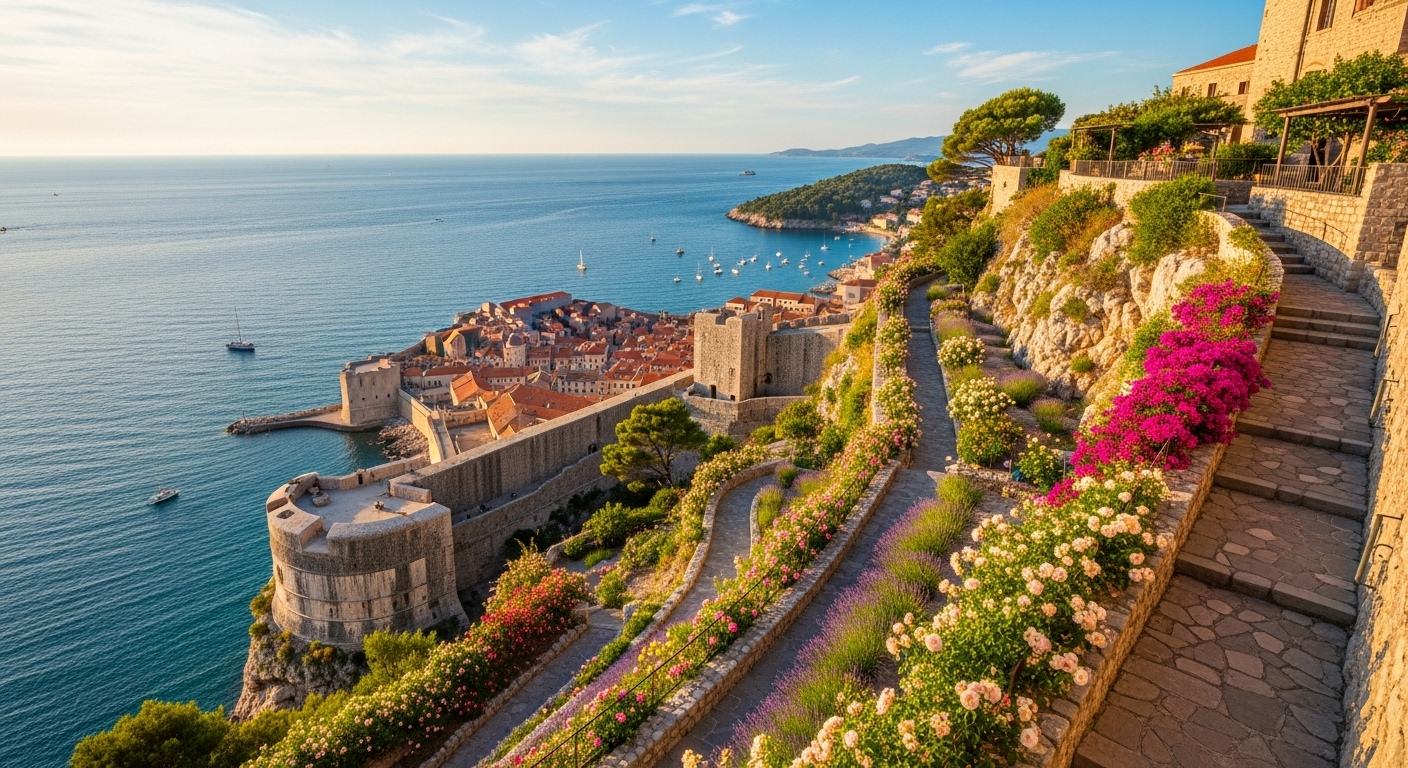
Imagine strolling through a garden that floats above centuries of history, perched on ancient walls that once defended kingdoms and cities. Clifftop gardens over fortified walls are among the most extraordinary urban and historical spaces in the world, merging natural beauty with architectural strength. These elevated gardens provide breathtaking views, peaceful retreats, and a tangible connection to the past, while also showing how humans can harmonize nature with urban and historical preservation.
Have you ever wondered how a garden can exist atop massive fortifications without damaging centuries-old stonework? Or how urban planners and horticulturists collaborate to maintain these living rooftops? This article will take you on a journey through some of the world’s most iconic clifftop gardens, explain their cultural and ecological importance, and explore how they inspire visitors every day.
The Concept Behind Clifftop Gardens Over Fortified Walls
Clifftop gardens over fortified walls combine three elements: natural terrain, historic architecture, and botanical art. These gardens are typically located on cliffs or hills overlooking valleys, seas, or cityscapes. The walls themselves were once defensive structures—ramparts, bastions, or fortress parapets—but today, they provide strong foundations for greenery, walkways, and recreational spaces.
By converting fortified walls into gardens, cities preserve historic architecture while creating unique public spaces. These gardens are not just aesthetic additions; they serve multiple functions such as:
- Stabilizing ancient walls with carefully chosen plants and root systems
- Providing ecological havens for birds, insects, and native flora
- Offering elevated viewpoints for tourists and locals
- Hosting cultural events, festivals, and exhibitions

Do you think cities should prioritize turning historic walls into public gardens instead of modern high-rises? The answer might surprise you once you see the global examples below.
Iconic Examples Around the World
Clifftop gardens over fortified walls exist in many parts of the world, each with its own history and charm:
- Dubrovnik, Croatia: The medieval walls of Dubrovnik are famous worldwide, and the clifftop gardens along the ramparts offer panoramic views of the Adriatic Sea. Visitors strolling the walls encounter fragrant herbs, colorful flowers, and quiet nooks for reflection. More details are available at Visit Dubrovnik.
- Monaco: The Exotic Garden of Monaco, perched on a cliff above the Mediterranean, is built over historic fortifications. It showcases succulents, cacti, and exotic plants in terraced arrangements, providing both botanical education and visual delight.
- San Gimignano, Italy: Some clifftop gardens have been integrated into medieval city walls, offering olive groves, grapevines, and flowering terraces that complement fortified towers. Tourists can enjoy the combination of history, agriculture, and breathtaking Tuscan views.
- Lisbon, Portugal: The São Jorge Castle grounds include gardens that stretch along fortified walls. Flowers, fruit trees, and ornamental plants turn defensive architecture into inviting public spaces.
- Toledo, Spain: High above the Tagus River, clifftop gardens integrate centuries-old fortifications with landscaped terraces. The walls provide safety while visitors enjoy panoramic city and river views.
The Cultural and Historical Significance
Turning fortifications into gardens preserves history while giving it new life. Clifftop gardens over fortified walls honor architectural heritage by maintaining walls intact, while allowing citizens and travelers to engage with history in a personal and aesthetic way. Many gardens also host cultural events, art installations, and educational tours, bridging the gap between past and present.
Would you enjoy attending a concert or art exhibition atop centuries-old city walls? This blending of culture, architecture, and nature creates a unique urban experience.
Environmental and Ecological Benefits
Clifftop gardens aren’t just for aesthetics—they also provide environmental benefits. Carefully planned plantings stabilize stone walls, reduce erosion, and create microhabitats for urban wildlife. Birds, butterflies, and pollinators find refuge in these elevated green spaces, adding biodiversity to otherwise urbanized environments.
In addition, these gardens act as carbon sinks and improve air quality. In dense historical cities where space is limited, elevated gardens over fortified walls maximize greenery without encroaching on streets or modern infrastructure.

Challenges in Maintaining Clifftop Gardens Over Fortified Walls
Maintaining these gardens presents unique challenges. Preservation of the historical wall structure is critical, so horticulturists must carefully select plants with root systems that won’t damage masonry. Water supply, soil depth, wind exposure, and public safety are additional concerns. Despite these challenges, cities have successfully created sustainable gardens that balance historical preservation with natural beauty.
Have you ever considered how urban planners and landscape architects collaborate to maintain these delicate spaces? It’s a fascinating combination of science, art, and history.
The Future of Clifftop Gardens
The future of clifftop gardens over fortified walls looks promising. Cities are increasingly recognizing the value of combining historical preservation with urban green space creation. Advances in horticulture, irrigation technology, and ecological design allow gardeners to create resilient, low-maintenance gardens atop centuries-old walls. Some cities are even integrating smart sensors to monitor soil moisture, plant health, and structural stability in real-time.
Imagine walking along a medieval city wall while viewing a thriving botanical garden, all while receiving real-time data on the plants’ health or historical facts about the fortifications. This combination of technology, history, and nature is the next frontier of urban design.
We would love to hear from you: If you could visit a clifftop garden over a historic wall anywhere in the world, where would it be and why? Share your thoughts and experiences in the comments below.
Follow WentWorld.com on our social media platforms to explore more hidden historical gems, unique urban gardens, and breathtaking global destinations.
Catch up on the top stories and travel deals by subscribing to our newsletter!