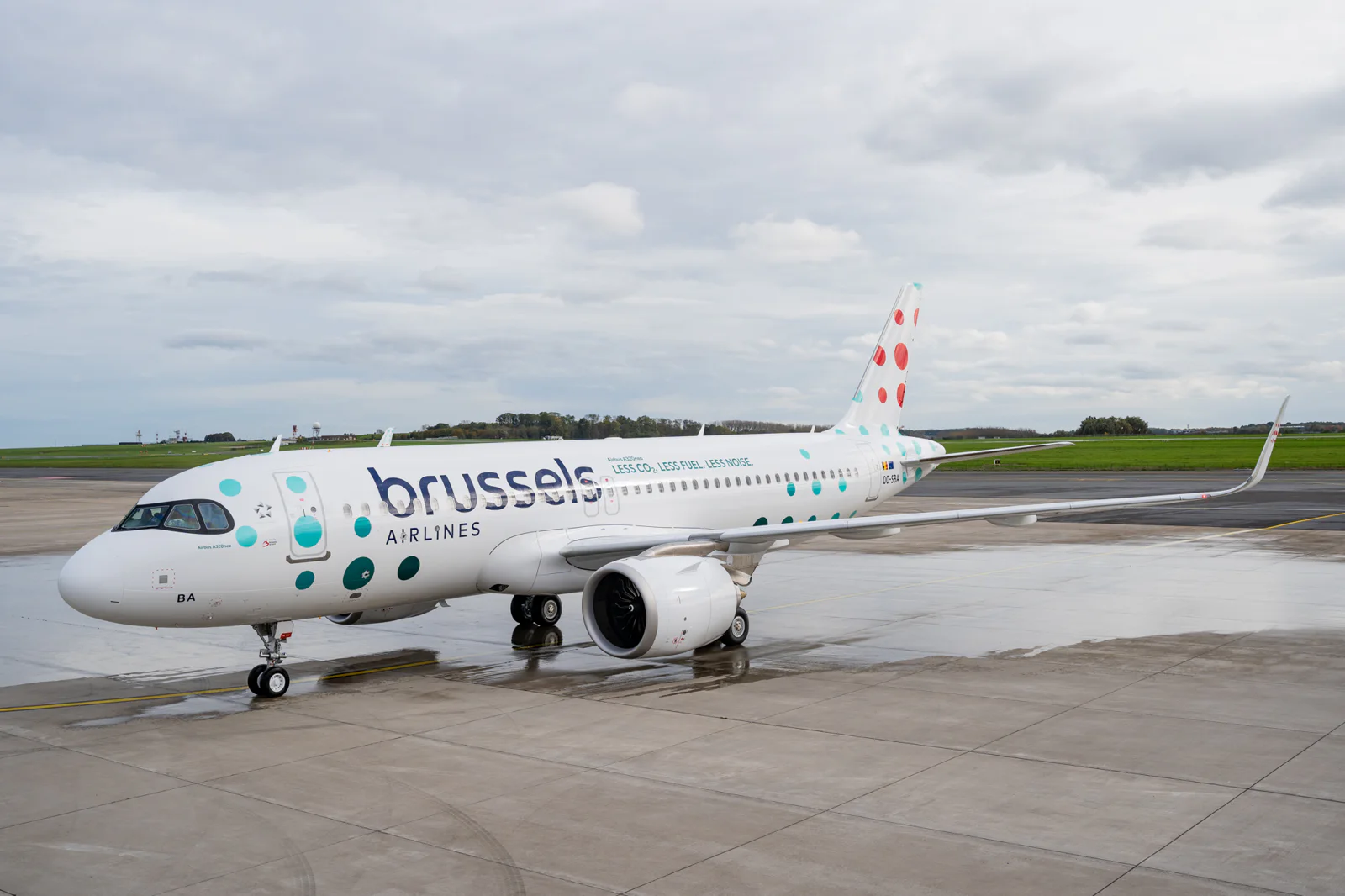
As Brussels Airlines advances digital travel, the carrier plans fleet-wide high-speed connectivity from 2026. The Brussels Airlines strategy reflects changing passenger behavior, where travelers expect constant online access. Air travel now mirrors daily digital life, while connectivity shapes how passengers value flight time. The move places Brussels Airlines within a wider aviation shift toward seamless, connected journeys.
Meanwhile, the Lufthansa Group drives this transformation through a unified broadband program. The group equips hundreds of aircraft with Starlink-powered internet to deliver stable, fast connections. This approach allows Brussels Airlines to offer ground-like internet performance during flights. Travelers therefore gain access to streaming, messaging, and cloud tools without interruption.
As implementation begins, Brussels Airlines focuses first on short-haul Airbus A320 aircraft. These planes operate dense European routes, while passengers expect reliable connectivity even on brief flights. The airline therefore targets aircraft with frequent daily use to maximize immediate impact. This decision aligns operational efficiency with rising digital expectations.
Subsequently, Brussels Airlines will extend the system across its long-haul fleet. This expansion ensures consistent onboard experiences across routes and cabin classes. Passengers will therefore encounter similar connectivity standards regardless of destination length. The airline strengthens brand trust through predictability and digital continuity.
Notably, Brussels Airlines plans complimentary access for status travelers and registered users. This model integrates connectivity into the journey rather than treating Wi-Fi as a luxury product. The airline encourages engagement with digital services before arrival. Travelers can manage itineraries, access documents, and explore destinations during flight time.
As tourism evolves, in-flight connectivity influences how travelers perceive comfort and efficiency. Passengers now treat flights as productive or relaxing extensions of daily routines. Reliable internet supports work, entertainment, and communication throughout the journey. Travel time, therefore, gains value instead of causing disruption.
Within the Lufthansa Group, Brussels Airlines aligns with a broader modernization strategy. The group standardizes onboard technology to deliver unified passenger experiences. Travelers switching between group airlines benefit from consistent service expectations. This scale positions the group as a European leader in connected aviation.
Looking ahead, Brussels Airlines reinforces how incremental upgrades reshape travel experiences. Connectivity does not change destinations, yet it transforms journey perception. As digital access becomes standard, airlines must match modern lifestyle habits. Brussels Airlines therefore prepares passengers for a future where flights remain connected from takeoff to landing.
Related stories:
Catch up on the top stories and travel deals by subscribing to our newsletter!