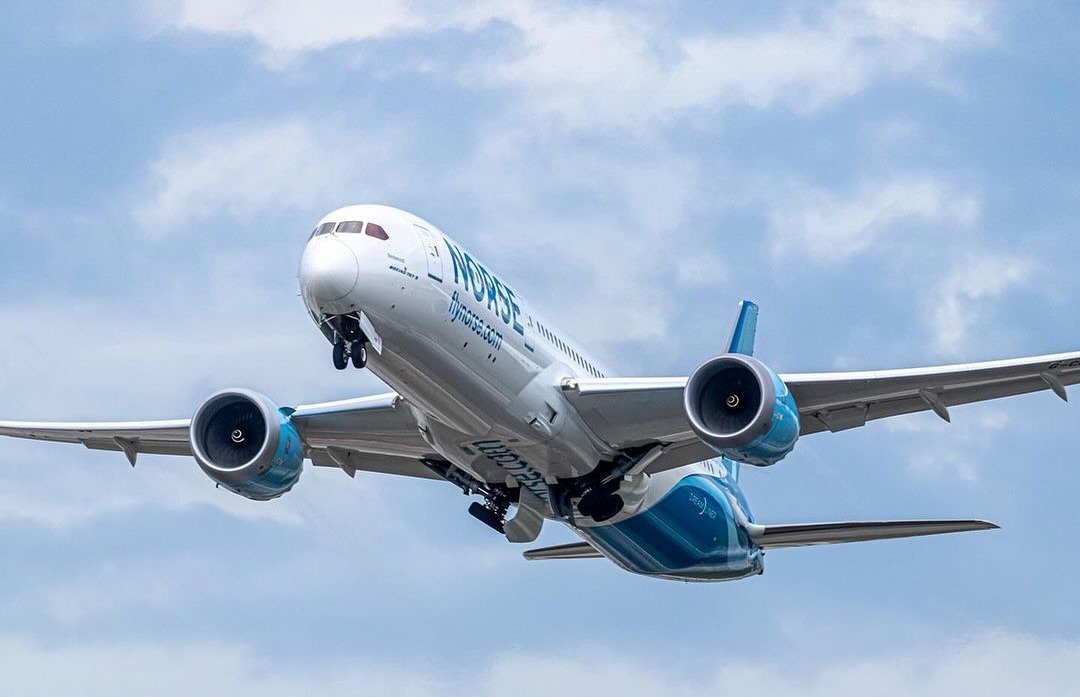
As global aviation faces pressure, Norse Atlantic is redefining its future through a sharp strategic reset. The airline now cuts nearly half its US capacity while repositioning Norse Atlantic as a capacity-focused operator. Through this shift, Norse Atlantic moves away from aggressive low-cost expansion toward predictable leasing revenue. This change reflects broader challenges across long-haul budget travel markets.
As travel demand fluctuates, Norse Atlantic reduces exposure to volatile transatlantic pricing cycles. Therefore, the airline limits services from several European cities while concentrating flights from London, Rome, and Athens. These hubs now anchor a leaner network connecting select US destinations. This consolidation supports cost discipline and operational stability.
As a result, travelers from Berlin, Paris, and Oslo face fewer Norse Atlantic choices. However, passengers flying from London or Rome still access core US routes. These remaining services now operate with tighter schedules and sharper commercial focus. This redesign prioritizes sustainability over rapid scale.
Meanwhile, Norse Atlantic accelerates a pivot toward aircraft leasing partnerships. The airline now reallocates several Boeing 787 aircraft into long-term ACMI contracts. Through this structure, Norse Atlantic supplies aircraft, crews, maintenance, and insurance. This approach delivers consistent income without ticket sales risk.
Consequently, partnerships with IndiGo and P&O Cruises anchor the airline’s revised business model. These agreements reduce seasonal exposure and smooth revenue flows. Leasing also allows Norse Atlantic to preserve fleet value while maintaining operational expertise. This model favors resilience during demand downturns.
As competition intensifies, legacy airlines dominate premium transatlantic corridors. Therefore, Norse Atlantic avoids margin pressure through selective retreat. This decision reflects realism about low-cost long-haul economics. The airline now favors certainty over volume growth.
Similarly, this transformation reshapes Norse Atlantic’s identity within global aviation. The carrier now balances limited passenger operations with stable leasing income. This hybrid structure supports long-term viability amid cost inflation and demand volatility.
Ultimately, Norse Atlantic positions itself for endurance rather than expansion. This strategy sacrifices breadth but protects financial health. Travelers must adjust expectations as the airline narrows its footprint. However, Norse Atlantic gains stability through disciplined execution and strategic focus.
Related stories:
Catch up on the top stories and travel deals by subscribing to our newsletter!