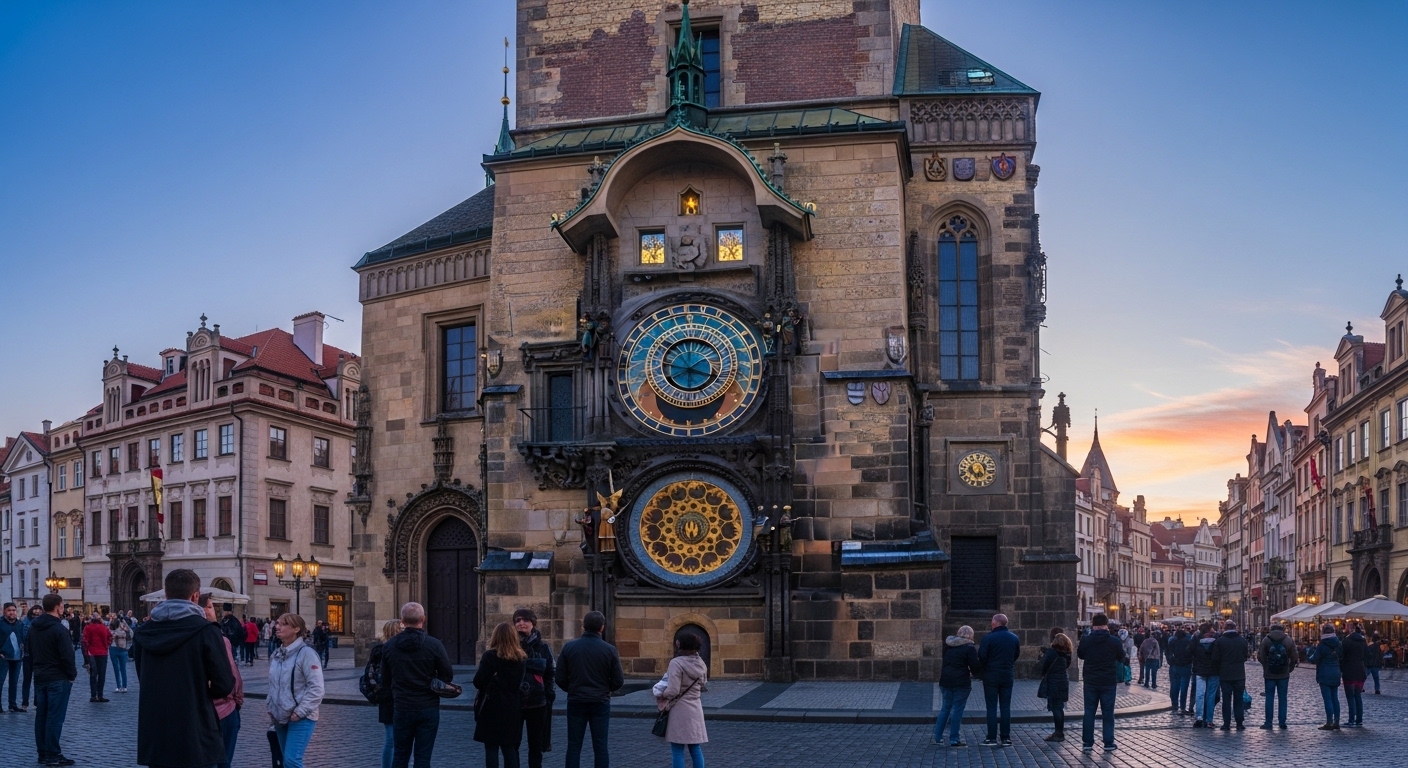
Few sights capture imagination like historic astronomical clocks with daily performances. These mechanical marvels have fascinated travelers, historians, and time enthusiasts for centuries. Imagine standing in a bustling city square as the hour approaches, and suddenly, intricate figures, saints, or even zodiac signs come to life in perfect synchronization with the clock’s chimes. The spectacle is a mix of art, engineering, and storytelling — a reminder that history can be both functional and magical.
Astronomical clocks are not just about telling time. They chart celestial movements, phases of the moon, planetary positions, and often include elaborate religious or cultural symbolism. Cities like Prague, Bern, and Strasbourg have turned their clocks into attractions that draw crowds daily. But beyond the fame, these clocks are windows into the past, showing how humans have tried to understand and visualize the cosmos for centuries.
In this WentWorld.com feature, we take you on a journey through the world’s most captivating historic astronomical clocks with daily performances. We explore what makes each clock unique, why these performances still draw audiences, and how they connect us to human curiosity, art, and engineering mastery. Have you ever stopped to wonder how people centuries ago built machines that could outlast generations?
The Origins of Astronomical Clocks
The earliest astronomical clocks appeared in Europe in the 14th and 15th centuries, though the fascination with tracking the heavens goes back thousands of years. Before these clocks, timekeeping was mostly religious or agricultural. The goal of astronomical clocks was not just precision but storytelling: connecting human experience to the cosmos.
These clocks were often located in town halls or cathedrals, places where the public could see them. Their performances turned timekeeping into theater. Figures would move, bells would ring, and spectators would gather, often daily, to witness the spectacle. Today, the same performances continue to draw tourists and locals alike, bridging past and present in a single moment of awe.
Prague Astronomical Clock (Orloj), Czech Republic
No list of historic astronomical clocks with daily performances is complete without the Prague Orloj. Installed in 1410, it is one of the oldest working astronomical clocks in the world. Every hour, on the hour, crowds gather in the Old Town Square to watch the procession of the Twelve Apostles, accompanied by the movement of the skeleton representing Death, the Turk, the Miser, and the Vanity figures. The clock also displays astronomical details, including the sun’s position and lunar phases.
Visitors can explore the tower to view the clockwork from the inside, and learn about the complex mechanics that have allowed it to run for over 600 years. Airlines like Czech Airlines make Prague more accessible than ever, giving travelers a chance to witness this historic spectacle firsthand. Have you ever watched a centuries-old machine come alive in perfect motion?

Strasbourg Astronomical Clock, France
The Strasbourg Astronomical Clock, located in the Strasbourg Cathedral, is another masterpiece. The current version, dating from 1843, incorporates mechanisms from earlier versions. What makes it special is the daily procession of mechanical figures at solar noon. The clock features a perpetual calendar, planetary indicators, and displays of celestial events, with moving automata like angels and roosters performing their routines.
This clock has inspired engineers, artists, and tourists for generations. According to Strasbourg Tourism, the daily performance is a highlight for thousands of visitors, offering a moment to reflect on how history and art can move together in harmony.
Gros Horloge, Rouen, France
In Rouen, the Gros Horloge dominates the historic city center. Although it doesn’t display astronomical data as intricately as the Orloj or Strasbourg clocks, it has a daily spectacle that captivates onlookers. The Renaissance-era clock dates back to the 14th century and features a decorative archway and gilded dial. Every hour, it announces the time with a mechanical chime and movement, drawing crowds who pause to appreciate the artistry and engineering behind it.
The city of Rouen, easily accessible via Air France and regional trains, continues to celebrate the clock as a symbol of civic pride and historical continuity. Have you ever paused your busy day to watch a clock mark time centuries after it was first built?
Bern Zytglogge, Switzerland
Switzerland’s Bern Zytglogge is an iconic medieval clock tower with a daily performance that combines mechanical ingenuity with storytelling. Installed in the 13th century, it underwent several upgrades over the centuries. At every hour, a parade of mechanical bears, a rooster, and a jester perform, while the astronomical dial shows moon phases, zodiac signs, and the solar time. It’s a perfect example of functional art designed to engage the community.
The Zytglogge has inspired countless horologists and tourists alike. Switzerland’s public transport and airlines like SWISS make Bern a must-visit city for those who want to see history in motion. Can you imagine standing there, watching a centuries-old performance that has delighted locals for generations?
The Mechanics That Make History Move
What makes these historic astronomical clocks with daily performances so compelling is the combination of art, engineering, and storytelling. The mechanisms are incredibly intricate, often requiring thousands of components working in perfect synchronization. From escapements and gears to automata and chimes, every part is designed to tell a story. The result is not just a clock, but a living piece of history that moves and interacts with people daily.
Many modern engineers and horology enthusiasts still study these clocks to understand their construction and restore them. Some of these designs have inspired modern robotics and automation systems. Essentially, each clock is both a museum piece and a prototype for centuries of mechanical innovation.

Why Daily Performances Matter
It’s not just the engineering that captivates people; it’s the performance aspect. When automata move, bells chime, and dials shift, it turns a functional device into a shared cultural experience. Cities have long recognized that these performances bring communities together. Even today, locals often schedule lunch breaks or city walks to coincide with the hourly spectacle.
For travelers, the daily performance is an opportunity to witness history in action. It’s one thing to read about a clock in a book; it’s another to feel its rhythm, hear its chimes, and see its figures move with centuries of precision. It’s an experience that can change how you perceive time itself. Wouldn’t you want to see history literally come alive before your eyes?
Visiting and Experiencing These Marvels
If you plan to explore historic astronomical clocks with daily performances, timing is crucial. Research the specific performance times, as some clocks only show full automata sequences once or twice daily. Arriving early allows you to find a good viewing spot and immerse yourself in the atmosphere of historic squares or cathedrals.
Always respect local regulations and preservation rules. Many of these clocks are in heritage buildings, so photography and interaction may be restricted. Travel websites like Lonely Planet provide updated tips and information for planning visits responsibly.
The Cultural and Historical Significance
Historic astronomical clocks with daily performances are not just tourist attractions; they are cultural artifacts. They represent humanity’s desire to understand the cosmos, to create beauty from utility, and to share communal experiences. Watching one is a reminder that even in an age of digital timekeeping, there is value in precision, patience, and artistry.
They encourage reflection on the passage of time. How did people in the 14th century view the universe? What inspired them to build such complex machines? And why do these clocks continue to capture our imagination today?
At WentWorld.com, we celebrate these intersections of history, art, and science. By exploring them, we reconnect with the ingenuity of our ancestors and the stories embedded in every chime and movement.
Have you ever visited a historic astronomical clock? Did it leave you in awe of both the mechanics and the story behind it? Share your experiences and let us know which clocks have inspired you the most. Follow WentWorld.com on social media to continue discovering extraordinary travel experiences and timeless wonders around the globe.
Catch up on the top stories and travel deals by subscribing to our newsletter!