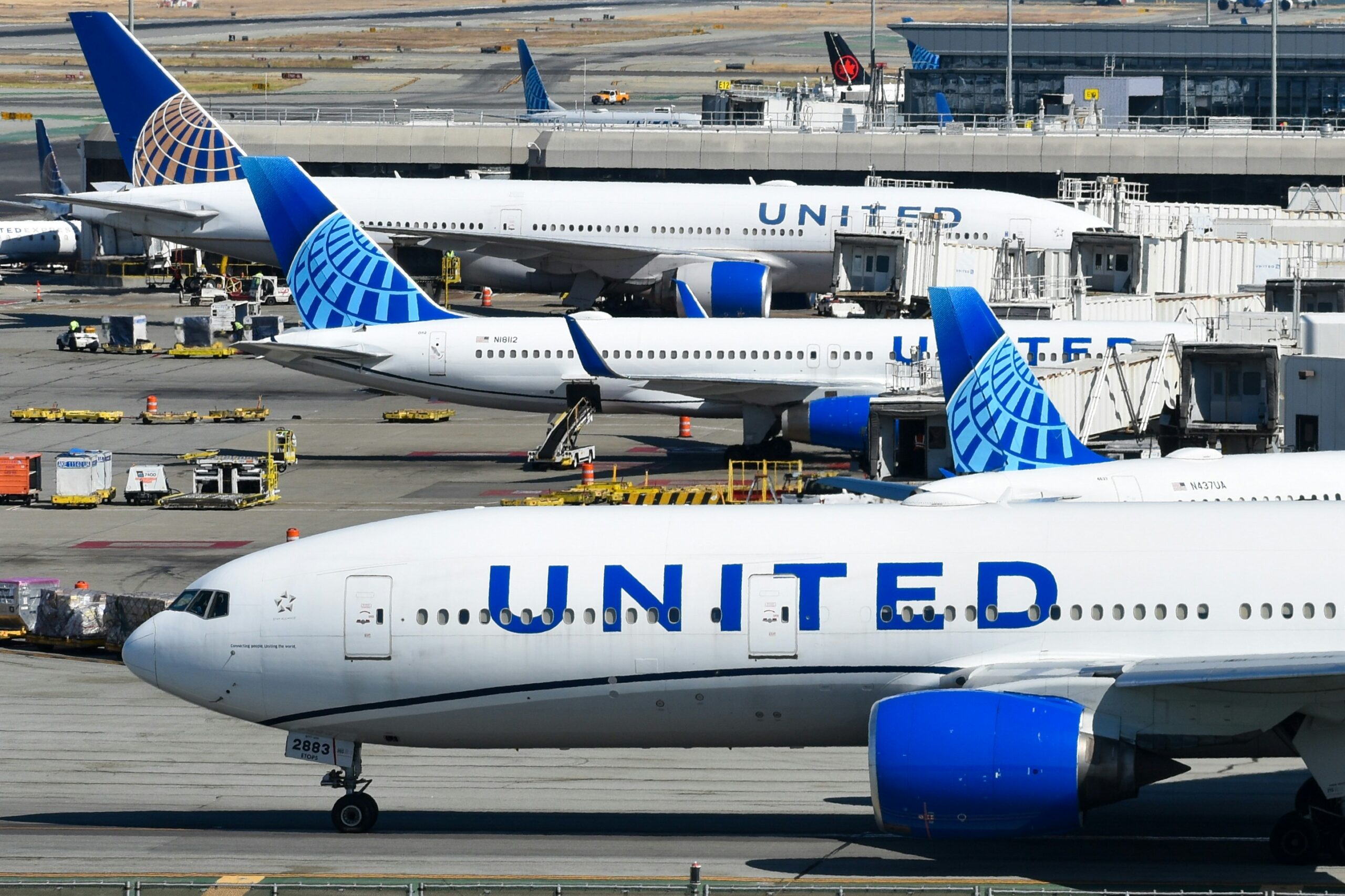
United Airlines faced renewed scrutiny after a dramatic landing incident in Orlando. Moreover, United Airlines Flight 2323 traveled from Chicago toward Florida during unstable winter weather. Consequently, strong winds challenged pilots as the aircraft approached Orlando International Airport. Furthermore, gusts exceeded safe comfort levels and forced a forceful touchdown. As a result, aviation authorities immediately focused attention on runway safety.
Additionally, the Airbus A321neo touched down around midday amid turbulent conditions. Subsequently, the aircraft absorbed heavy stress during runway contact. Therefore, the nose landing gear assembly failed moments after touchdown. Moreover, one wheel separated and rolled across the runway surface. Consequently, the aircraft stopped and blocked active operations.
Meanwhile, crew members acted quickly and guided passengers through a controlled evacuation. Accordingly, ground teams positioned mobile stairs beside the aircraft. Furthermore, buses transferred travelers safely toward the terminal building. As a result, all occupants exited without injuries or medical concerns.
However, airport operations felt immediate disruption from the disabled aircraft. Therefore, Orlando International Airport issued a temporary ground stop. Moreover, controllers delayed departures while crews secured the runway. Consequently, travelers across the airport experienced short but notable delays.
Meanwhile, federal regulators launched a formal investigation into the mechanical failure. Accordingly, inspectors began reviewing maintenance history and landing data. Furthermore, investigators examined whether weather stress triggered the nose gear failure. Consequently, the inquiry aims to prevent similar failures during future operations.
Additionally, United Airlines initiated an internal review alongside federal efforts. Therefore, safety teams evaluated procedures for severe weather landings. Moreover, the airline reinforced its commitment to operational safety. Consequently, the review supports broader industry standards and public confidence.
However, the incident highlighted growing weather-related challenges across busy airports. Therefore, airlines increasingly adjust operations to manage wind risks. Moreover, airports refine emergency coordination to limit passenger disruption. Consequently, aviation safety continues evolving through real-world experience.
Meanwhile, normal operations gradually resumed after crews cleared the runway. Accordingly, delayed flights departed once conditions stabilized. Furthermore, officials advised travelers to monitor schedules closely. Consequently, the airport restored traffic flow later that day.
Ultimately, the United Airlines landing incident underscored the importance of preparation and rapid response. Therefore, effective coordination protected passengers despite mechanical failure. Moreover, ongoing investigations may shape future safety improvements. Consequently, aviation authorities remain focused on preventing repeat events.
Related stories:
Catch up on the top stories and travel deals by subscribing to our newsletter!