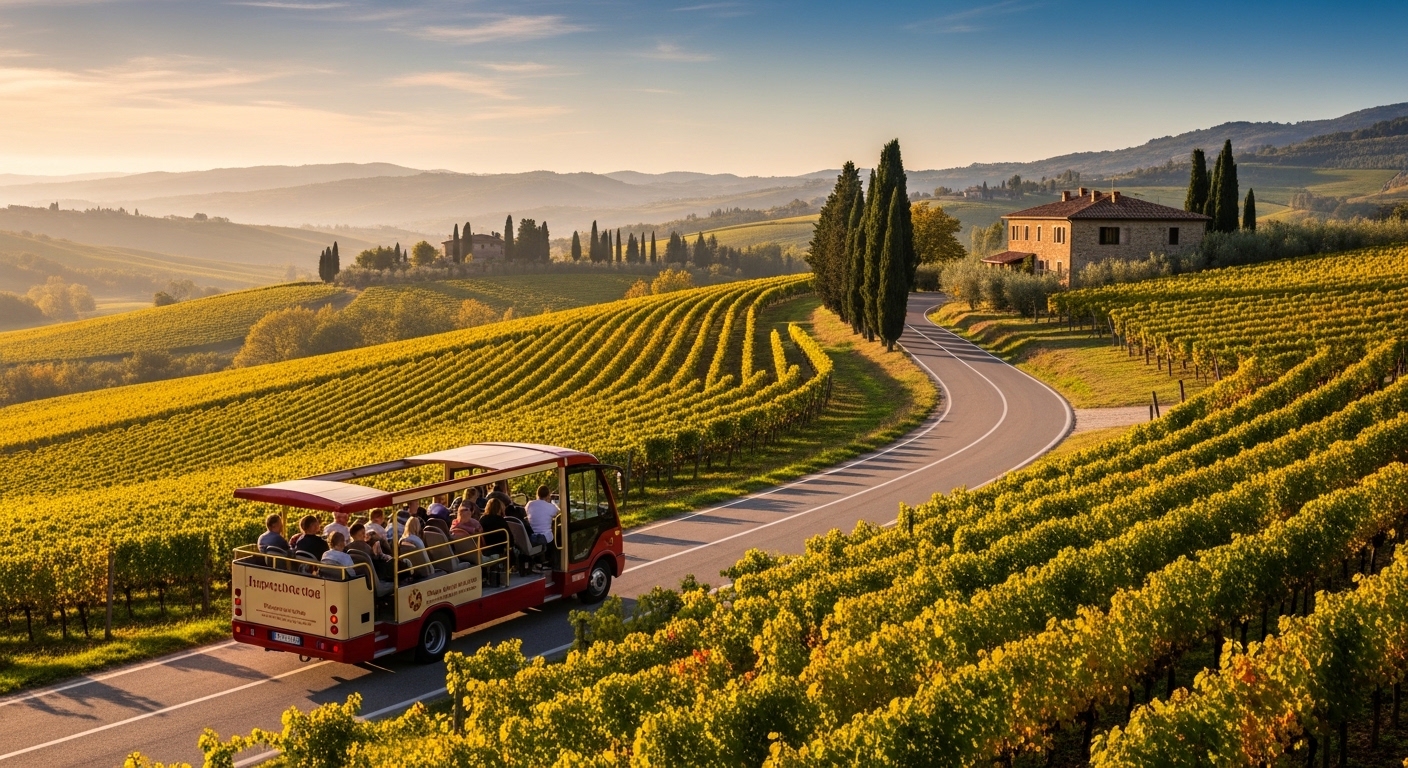
Travel changes completely when you remove the pressure of driving. That is especially true in car-free wine valleys with hop-on buses, where the only thing you need to focus on is the view, the wine, and the moment. Picture rolling vineyards, quiet country roads, small tasting rooms, and a simple bus system that lets you explore freely without worrying about parking, directions, or driving after a glass of wine.
Wine regions have always been about slowing down. Yet many travelers still rush through them, gripping a steering wheel, watching the clock, and limiting tastings. Car-free wine valleys turn that experience upside down. They invite you to linger longer, taste responsibly, and truly absorb the rhythm of the land.
In this WentWorld.com guide, we explore some of the most inviting car-free wine valleys with hop-on buses around the globe. These destinations prove that wine travel can be sustainable, relaxed, and deeply immersive. Have you ever wondered how different wine tasting would feel if you never had to think about driving?
Why Car-Free Wine Travel Is Gaining Popularity
The idea of car-free wine valleys is not just about convenience. It is about safety, sustainability, and a better overall experience. Wine tourism naturally involves tasting, and tasting responsibly becomes much easier when public transport does the work for you.
Hop-on bus systems allow travelers to move between wineries, villages, and scenic viewpoints at their own pace. You can get off when something catches your eye and get back on when you are ready to move on. This flexibility removes stress and encourages exploration.
There is also an environmental benefit. Fewer cars mean less congestion, lower emissions, and quieter countryside roads. In regions where vineyards sit close to small villages, this approach helps preserve local life. Would you enjoy wine country more if it felt less crowded and more connected to nature?
How Hop-On Buses Transform the Wine Experience
Hop-on buses change how you interact with a wine valley. Instead of planning strict routes, you follow curiosity. You overhear conversations with fellow travelers. You arrive at wineries relaxed instead of rushed.
Many wine valleys design these bus routes to highlight scenic views. Large windows frame rolling hills, historic estates, and endless rows of vines. The journey becomes part of the tasting experience rather than just transportation.
Another overlooked benefit is local insight. Bus drivers and guides often share stories about the region, grape varieties, and seasonal traditions. These small details deepen your connection to the place. Have you ever learned more from a casual conversation than from a guidebook?
Wachau Valley, Austria
The Wachau Valley in Austria is one of Europe’s most charming examples of car-free wine valleys with hop-on buses. Stretching along the Danube River, this UNESCO-listed region is known for its terraced vineyards, medieval villages, and crisp white wines.
The Wachau bus network connects key towns like Melk, Dürnstein, and Krems. Travelers can hop off to explore family-run wineries, riverside cafés, or historic abbeys. The pace feels gentle and unhurried, matching the character of the valley itself.
Austrian wines, particularly Grüner Veltliner and Riesling, shine here. According to Austrian Wine, the region’s unique microclimate plays a key role in flavor development. Experiencing this landscape without a car makes it easier to notice those subtle details.

Alsace Wine Route, France
France is synonymous with wine, and the Alsace Wine Route offers a refreshing alternative to car-based exploration. Nestled along the eastern edge of France, near the Vosges Mountains, Alsace combines storybook villages with aromatic white wines.
Regional buses link towns like Colmar, Riquewihr, and Ribeauvillé. Many travelers combine buses with walking or cycling, creating a slow-travel rhythm that feels natural. The lack of heavy traffic enhances the fairy-tale atmosphere of half-timbered houses and cobblestone streets.
Alsace wines are known for their purity and expression of terroir. As noted by Vins d’Alsace, grape varieties like Gewürztraminer and Pinot Gris thrive here. Tasting them without worrying about driving allows you to fully appreciate their complexity.
Willamette Valley, Oregon
The Willamette Valley has emerged as one of the most respected wine regions in the United States, especially for Pinot Noir. While traditionally car-dependent, parts of the valley now offer shuttle and hop-on style services during peak seasons.
These services connect tasting rooms, vineyards, and small towns, making it easier for visitors to explore responsibly. Early mornings and late afternoons are especially peaceful, with mist lingering over the vines.
Resources from Travel Oregon highlight how the region is moving toward more sustainable tourism options. Car-free wine valleys may still be evolving here, but the shift is noticeable and promising.
Mendoza’s Uco Valley, Argentina
At the foot of the Andes Mountains lies Mendoza’s Uco Valley, a high-altitude wine region known for bold Malbecs and dramatic scenery. Some areas now offer organized hop-on transport connecting wineries and villages.
The experience is unforgettable. Snow-capped peaks frame endless vineyards, and the dry climate creates crisp mornings and golden afternoons. Without a car, you can focus on the landscape and the wine in your glass.
Argentina’s national carrier Aerolíneas Argentinas makes access to Mendoza straightforward, helping travelers reach this region without hassle. Once there, car-free exploration enhances the sense of escape.
Why These Valleys Encourage Mindful Drinking
One of the most meaningful aspects of car-free wine valleys with hop-on buses is how they encourage mindful drinking. When you are not rushing from place to place, you taste more slowly. You ask more questions. You remember flavors more clearly.
Wineries often notice this difference. Visitors arrive relaxed and engaged, rather than stressed by schedules. Conversations feel more personal, and tastings become educational rather than transactional.
Have you noticed how environment changes perception? Wine tasted in a calm setting often feels richer, even before you know anything about the bottle.
Social Connections on the Road
Hop-on buses create unexpected social moments. Travelers from different backgrounds share recommendations, stories, and laughter. These connections often become highlights of the trip.
Unlike private cars, shared transport invites interaction. You hear about a hidden tasting room or a village festival you might have missed. These shared discoveries add depth to the journey.
Some travelers even form temporary tasting groups, hopping off together to explore wineries. Would you enjoy wine tasting more if it felt communal rather than solitary?

Planning Tips for Car-Free Wine Valleys
Planning a trip to car-free wine valleys requires a slightly different mindset. Flexibility is key. Instead of booking every tasting in advance, leave room for spontaneity.
Check bus schedules ahead of time and aim for early starts. Morning light often reveals the beauty of vineyards in a way midday sun cannot. Comfortable walking shoes are essential, as many wineries sit a short walk from bus stops.
Respect local customs and pacing. These regions value tradition and patience. Rushing through tastings goes against the spirit of car-free wine travel.
The Future of Wine Tourism
As travelers become more conscious of sustainability, car-free wine valleys are likely to grow in popularity. They represent a shift toward slower, more responsible tourism that benefits both visitors and local communities.
Wine regions around the world are experimenting with shuttle systems, electric buses, and integrated transport networks. These efforts reduce environmental impact while enhancing visitor experience.
Car-free wine valleys with hop-on buses show that luxury does not always mean exclusivity. Sometimes, it means simplicity and freedom.
At WentWorld.com, we believe travel should feel enriching rather than exhausting. Wine valleys explored without cars embody that philosophy perfectly.
We would love to hear from you. Have you visited a wine region without driving? Did it change how you experienced the place or the wine itself? Share your thoughts and stories with us.
For more journeys that celebrate slow travel, thoughtful exploration, and unique destinations, follow WentWorld.com on our social media platforms and stay inspired.
Catch up on the top stories and travel deals by subscribing to our newsletter!