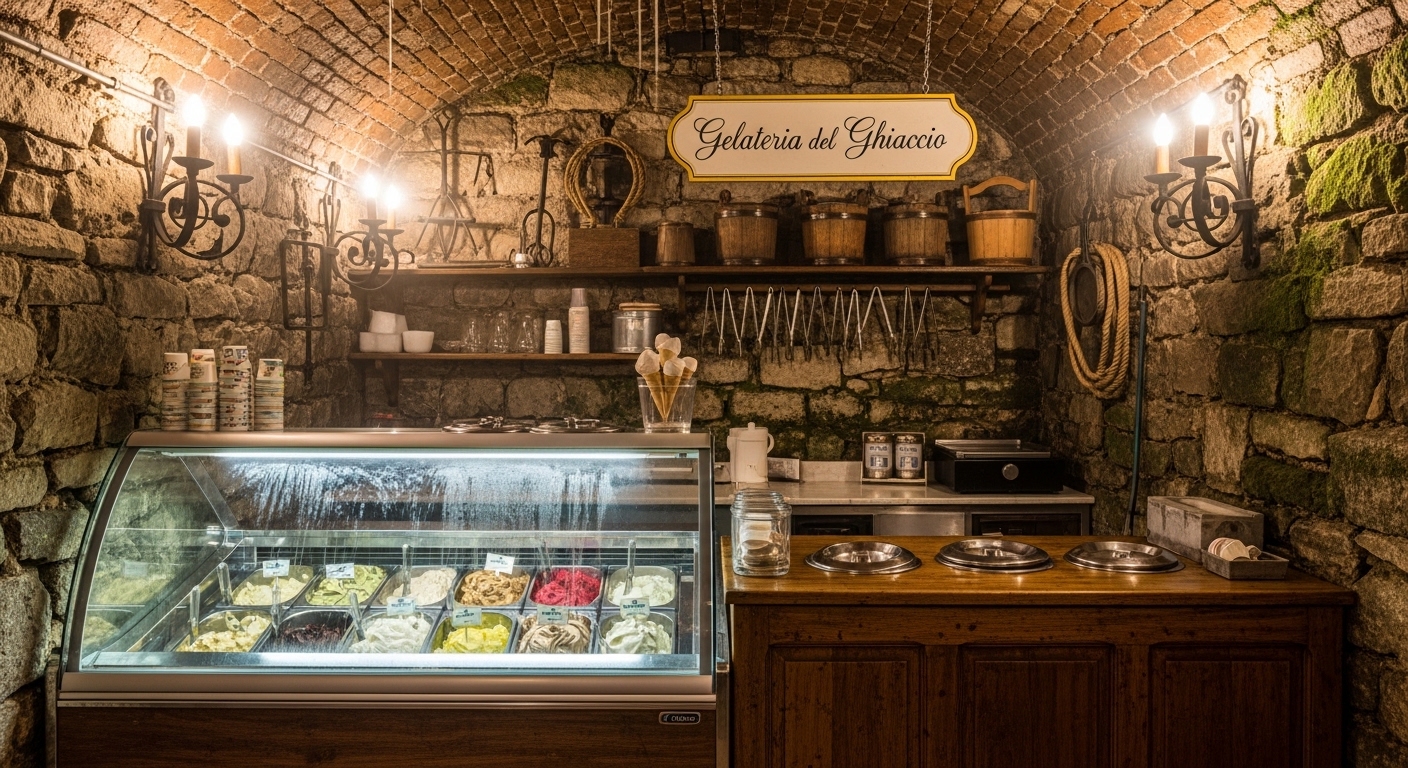
Historic ice cellars now serving gelato sounds like a poetic contradiction, yet across the world, this transformation is quietly happening. Once built to preserve winter ice before refrigeration existed, these underground chambers are being reborn as atmospheric spaces where creamy gelato replaces frozen blocks. Thick stone walls, constant cool temperatures, and centuries of history now host a very different kind of indulgence.
There is something deeply satisfying about enjoying gelato in a place that once existed solely to keep things cold. These spaces were never designed for comfort, crowds, or culinary pleasure, yet today they are some of the most memorable dessert spots you can find. Would you expect a centuries-old ice cellar to become one of your favorite food memories?
This WentWorld.com story explores how historic ice cellars are being reimagined, why gelato fits these spaces so naturally, and where travelers can experience this blend of history and flavor firsthand. It is a story of preservation, creativity, and the unexpected ways old infrastructure finds new life.
What Were Ice Cellars and Why Did They Matter
Before electric refrigeration changed the world, ice cellars were essential. Built underground or partially submerged, these structures stored ice harvested during winter months from lakes, rivers, or specially constructed ice ponds. The thick walls, often made of stone or brick, insulated the ice, allowing it to last through warmer seasons.
Ice cellars were critical for food preservation, medicine storage, and even luxury dining in earlier centuries. In many European cities, they were municipal assets. On large estates, they were symbols of wealth and foresight. Their locations were carefully chosen, often on north-facing slopes or shaded areas, to maximize coolness.
Today, many of these cellars remain hidden beneath parks, vineyards, castles, and historic town centers. For decades, they sat unused or forgotten. Yet their stable temperatures and unique atmospheres have made them ideal candidates for a very modern revival.
Why Gelato Works Perfectly in Historic Ice Cellars
Gelato is more than just dessert. It is sensitive to temperature, texture, and storage conditions. Historic ice cellars, with their naturally cool and stable environments, offer an almost ideal setting. The stone walls maintain consistent temperatures, reducing the need for heavy mechanical cooling.
Beyond practicality, there is the experience. Eating gelato in a historic ice cellar feels immersive. The cool air enhances flavors. The echoes of footsteps remind you that this space once served a completely different purpose. The contrast between ancient stone and modern craftsmanship creates a sensory experience that standard gelaterias simply cannot replicate.
This is why historic ice cellars now serving gelato are becoming destinations rather than curiosities. They are not just places to eat; they are places to feel.

Italy: Where Ice Cellars Meet Gelato Heritage
Italy, the spiritual home of gelato, naturally leads this movement. In regions like Emilia-Romagna and Tuscany, historic ice houses known as ghiacciaie are being carefully restored. These underground structures once stored ice for noble families and monasteries.
Today, some of these spaces host artisanal gelato makers who emphasize traditional methods and local ingredients. The result is a full-circle moment where ancient cooling techniques meet centuries-old dessert traditions.
Travelers exploring smaller towns often stumble upon these locations by chance. Tourism platforms like Italia.it have begun highlighting lesser-known culinary experiences, bringing attention to these hidden gems.
Germany’s Ice Cellars Turned Cultural Desserts Spaces
In Germany, Eiskeller were once widespread, particularly in regions with strong brewing traditions. Ice stored in these cellars helped keep beer cool before modern refrigeration. Many of these structures still exist beneath city parks and old breweries.
Some cities have repurposed them into cultural venues, cafes, and now, gelato shops. The controlled climate, combined with careful lighting, creates a moody and inviting atmosphere. Visitors often remark that the setting makes the gelato taste richer, even if the recipe remains unchanged.
According to Germany Travel, adaptive reuse of historic structures is becoming an important part of sustainable tourism. Ice cellars turned gelato spaces fit perfectly into this philosophy.
Austria and Central Europe’s Quiet Conversions
Across Austria, Hungary, and the Czech Republic, historic ice cellars are quietly finding new purposes. In wine regions, former ice houses are being integrated into tasting routes, offering gelato made with grape must, herbs, and regional flavors.
These spaces often remain deliberately understated. Minimal signage, preserved stonework, and soft lighting allow the structure itself to remain the main attraction. For travelers who enjoy discovering places that feel untouched by mass tourism, these locations are especially rewarding.
Would you choose a dessert spot based on atmosphere alone? Many visitors say yes after stepping into one of these cellars.
How These Transformations Preserve History
One of the most compelling aspects of historic ice cellars now serving gelato is preservation through use. Rather than sealing these structures off or allowing them to deteriorate, adaptive reuse keeps them relevant.
Restoration projects often involve historians, architects, and conservationists. Original materials are preserved wherever possible. Modern interventions are designed to be reversible, ensuring that future generations can still study and appreciate the original structure.
Organizations like ICOMOS emphasize the importance of adaptive reuse in heritage conservation. Gelato shops may seem humble, but they play a role in keeping history alive.
The Sensory Experience Visitors Remember
Visitors rarely talk only about the gelato itself. They talk about the feeling of descending stone steps, the shift in temperature, the quiet hum of conversation, and the way sound behaves differently underground.
The cool air sharpens taste. The darkness makes colors stand out. The texture of stone walls adds a tactile dimension. All these elements combine to create a memory rather than a simple purchase.
Have you noticed how certain places make food more memorable? Historic ice cellars have a way of doing that effortlessly.
Challenges of Operating in Historic Ice Cellars
Transforming an ice cellar into a gelato space is not without challenges. Accessibility can be limited. Ventilation must be carefully managed. Local regulations often require detailed assessments before any commercial activity is allowed.
Yet many owners see these challenges as part of the appeal. The limitations encourage creativity. Menus are often smaller, focusing on quality rather than volume. Seating is minimal or nonexistent, encouraging visitors to savor the experience briefly rather than linger endlessly.
This restraint aligns well with modern travel trends that value authenticity over convenience.

Why Travelers Are Drawn to These Places
Modern travelers are increasingly drawn to experiences that feel unique and grounded in place. Historic ice cellars now serving gelato offer exactly that. They cannot be replicated easily. Each one is shaped by its location, history, and community.
Travel platforms such as Atlas Obscura have highlighted similar adaptive reuse stories, reflecting a broader interest in unusual, meaningful destinations.
For many, these gelato cellars become accidental highlights of a trip. They are not always planned stops, yet they linger in memory long after.
The Role of Sustainability in This Revival
Using naturally cool spaces reduces energy consumption. Thick stone walls and underground placement minimize the need for constant refrigeration. This makes historic ice cellars surprisingly aligned with sustainability goals.
In an era where travelers are more conscious of environmental impact, these spaces offer a subtle but powerful example of how old solutions can complement modern needs.
Would you choose a dessert knowing it was served in a space designed to conserve energy centuries ago?
What This Trend Says About the Future of Travel
The rise of historic ice cellars now serving gelato reflects a broader shift in travel culture. Travelers are seeking depth over scale, stories over spectacles. They want to feel connected to the places they visit.
These transformations show that the future of travel may lie in looking backward, finding value in what already exists, and allowing history to shape new experiences.
At WentWorld.com, we believe these stories matter. They remind us that travel is not just about where we go, but how places evolve and adapt.
Have you ever encountered a place that completely changed your expectations? We would love to hear about it. Share your thoughts, your discoveries, and your favorite examples of old spaces finding new life.
If you enjoy uncovering stories where history and modern travel intersect, follow WentWorld.com on our social media platforms and stay inspired by journeys that celebrate thoughtful exploration.
Catch up on the top stories and travel deals by subscribing to our newsletter!