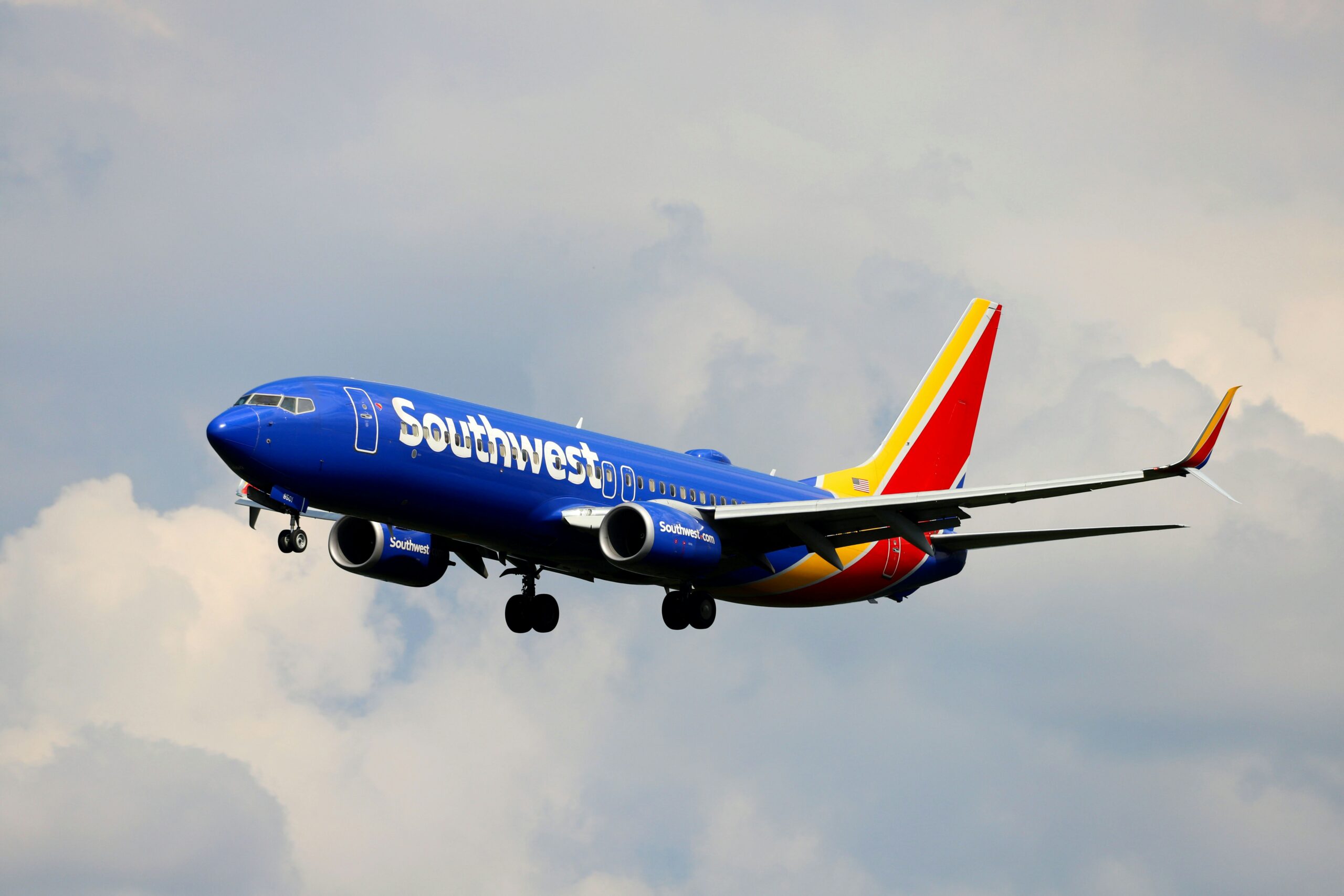
Southwest Airlines prepares a historic change that reshapes global air travel expectations. Because Southwest Airlines built its brand on open seating, this move signals a strategic reset. Therefore, the airline aligns operations with modern traveler preferences. Since customers now demand certainty, assigned seating begins January 27, 2026. Consequently, passengers gain clarity before airport arrival.
Previously, open seating rewarded speed and aggressive boarding behavior. Because travelers competed for space, boarding often felt stressful. Therefore, Southwest Airlines selected assigned seating to reduce congestion. Since flights expanded and routes lengthened, structure became essential. Consequently, boarding now feels calmer and more predictable.
International travel places comfort at the center of passenger priorities. Because routes connect to Paris, Mexico, Italy, Spain, Japan, and Australia, seat certainty matters. Therefore, assigned seating improves rest and cabin organization. Since travelers choose seats earlier, aisle and legroom preferences stay protected. Consequently, long journeys feel more controlled.
Tourism recovery strengthens the impact of airline decisions worldwide. Because smoother flights improve arrival moods, travelers engage destinations positively. Therefore, hotels, restaurants, and attractions benefit indirectly. Since Southwest Airlines improves efficiency, destinations welcome happier visitors. Consequently, travel experiences begin smoothly.
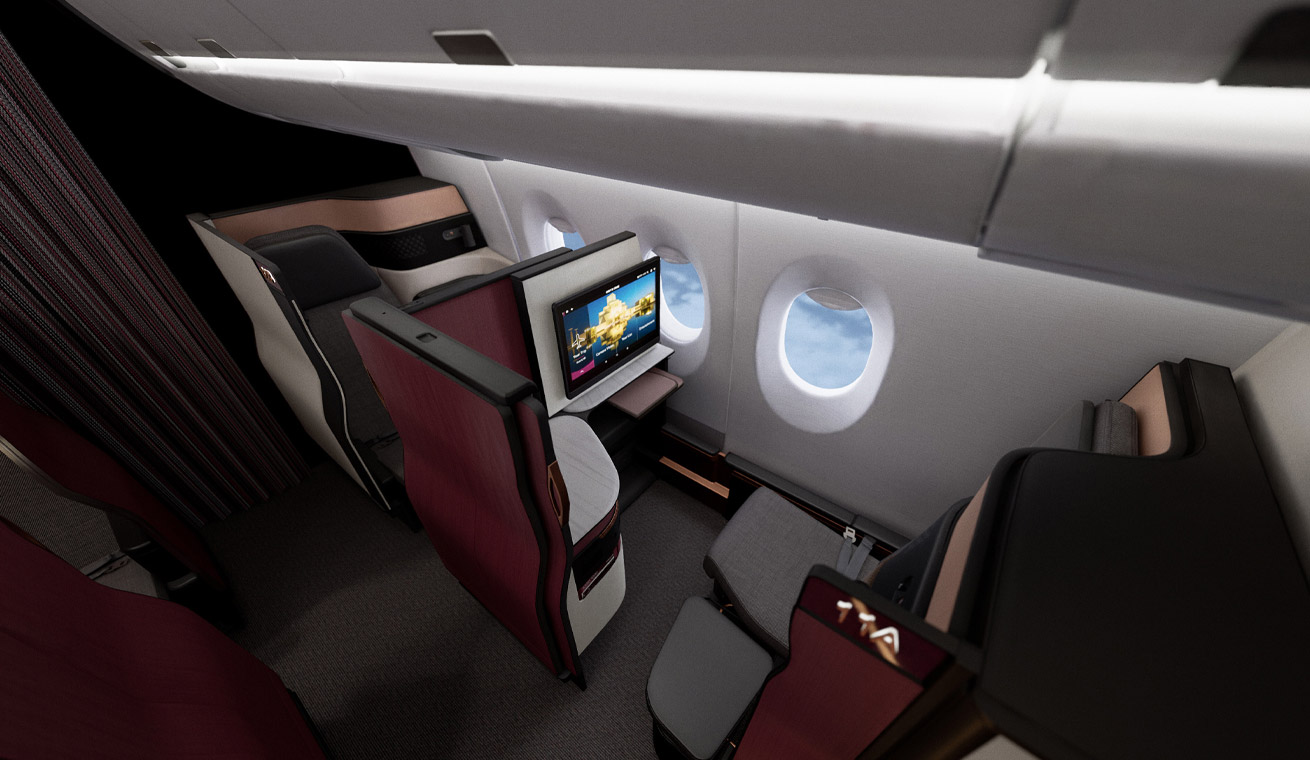
Premium seating strategies support evolving passenger behavior. Because travelers value customization, Southwest Airlines introduces paid upgrades. Therefore, extra legroom and preferred seating attract long-distance flyers. Since passengers invest in comfort, service expectations rise. Consequently, competition across airlines intensifies.
Digital tools now play a larger role in travel planning. Because Southwest Airlines enhances app-based seat selection, travelers gain control. Therefore, early planning replaces gate-time stress. Since airports face heavier traffic, organized boarding prevents delays. Consequently, efficiency improves satisfaction.
This transition defines a new operational chapter for Southwest Airlines. Because tradition met modern pressure, adaptation became necessary. Therefore, assigned seating reshapes passenger expectations. Since predictability drives loyalty, confidence replaces uncertainty. Consequently, this decision supports long-term growth.
Related stories:
Catch up on the top stories and travel deals by subscribing to our newsletter!