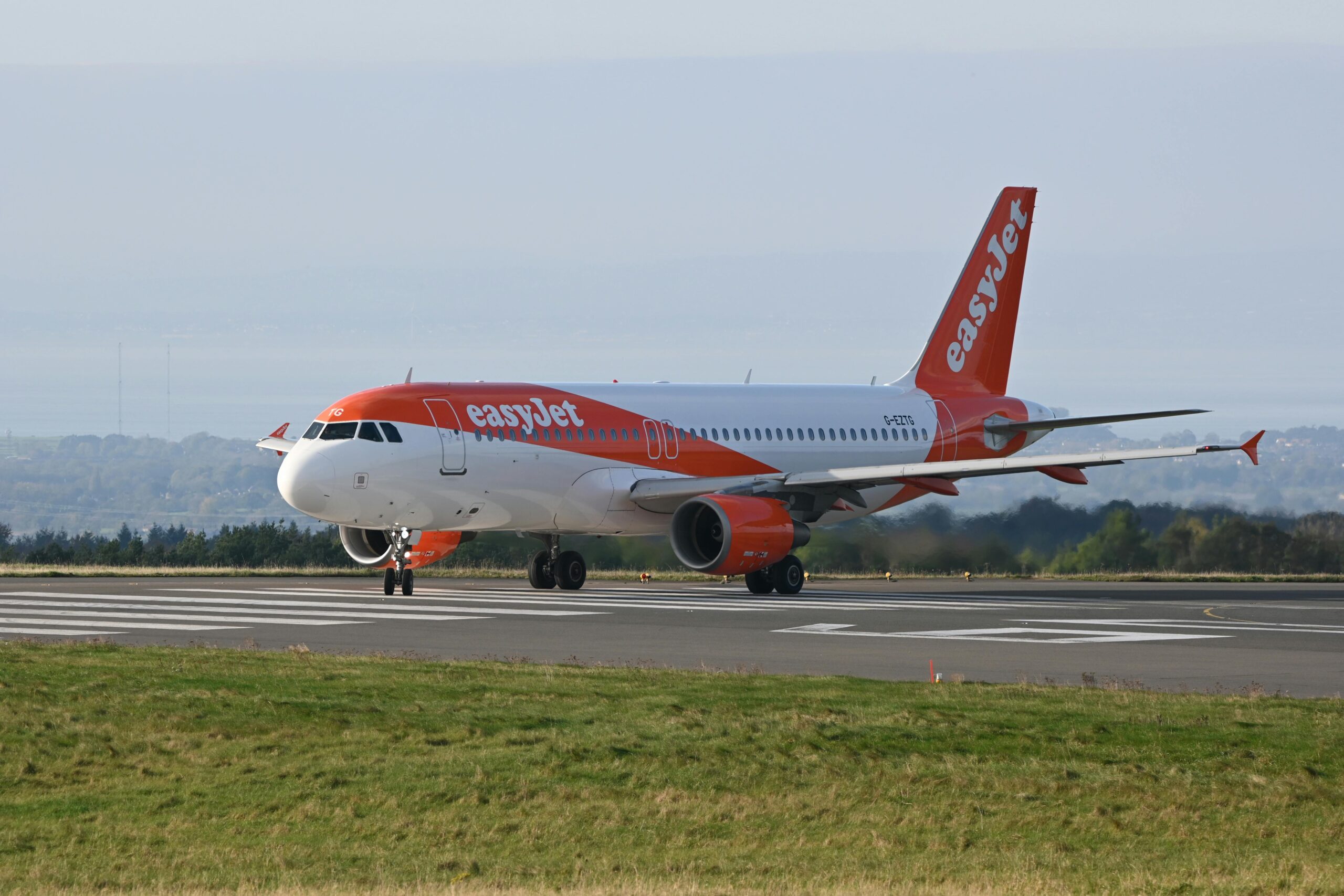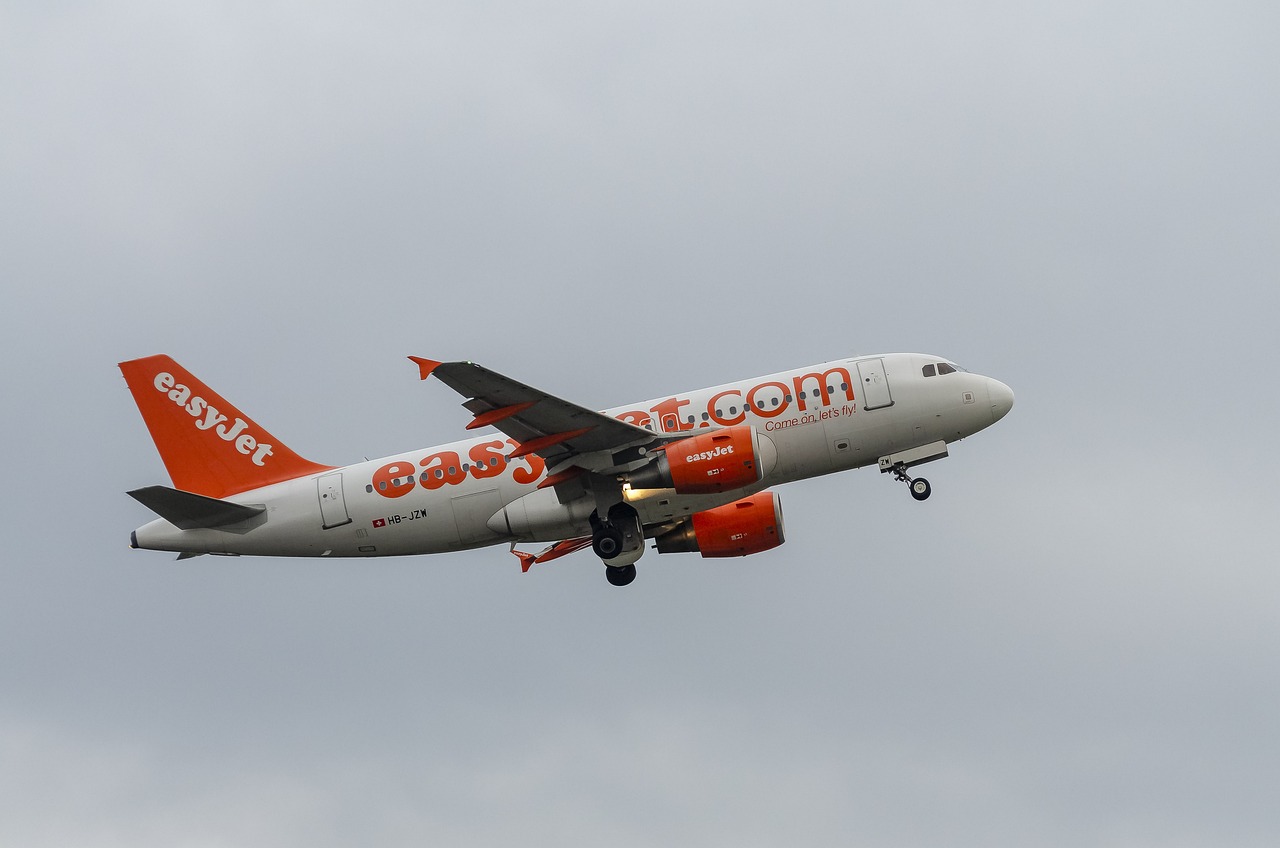
EasyJet faces fresh scrutiny after regulators challenged its baggage price messaging. Importantly, EasyJet promoted low baggage prices that rarely applied to real bookings. Consequently, travelers questioned airline pricing clarity across Europe’s budget travel market.
Meanwhile, EasyJet advertised large cabin bags starting from a low entry price. However, investigations showed higher charges across nearly all available routes. Therefore, regulators demanded stronger accuracy in airline price communication.
Additionally, EasyJet built its reputation on affordable fares for short European trips. However, baggage charges often inflated final travel costs for many passengers. Thus, misleading promotions undermined traveler trust and booking confidence.
Moreover, regulators reviewed hundreds of EasyJet flights across multiple destinations. Importantly, pricing data showed consistently higher cabin bag fees than advertised. Consequently, authorities classified the pricing claim as misleading.
Furthermore, EasyJet must now revise how it markets optional travel extras. Notably, regulators expect advertised prices to reflect genuine availability. Therefore, airlines must align marketing language with real customer experiences.
Meanwhile, business travelers often rely on EasyJet for flexible regional travel. However, unclear baggage pricing disrupted cost planning for frequent flyers. Thus, transparency directly affects corporate travel budgets.
Similarly, leisure travelers seek budget airlines for affordable holidays. However, added baggage fees often surprise travelers during checkout. Consequently, total trip costs exceed initial expectations.
Additionally, baggage fees remain a wider industry challenge beyond EasyJet. Notably, low base fares attract attention, while extras increase final prices. Therefore, regulators push airlines toward clearer disclosures.
Importantly, EasyJet insists customers see final baggage prices before payment. However, promotional wording shaped early booking assumptions. Thus, regulators focused on headline accuracy rather than checkout clarity.
Meanwhile, EasyJet plans advertising updates to reflect realistic baggage pricing. Consequently, future promotions must match commonly available fare conditions. Therefore, travelers should expect clearer cost signals moving forward.
Moreover, travelers must actively review fare breakdowns before booking. Importantly, careful planning reduces unexpected airport expenses. Thus, informed decisions improve overall travel satisfaction.
Finally, the EasyJet ruling signals a shift toward stricter airline advertising standards. Consequently, transparency now defines competitive advantage across budget aviation. Therefore, future travel choices may favor clarity over headline prices.
Related stories:
Catch up on the top stories and travel deals by subscribing to our newsletter!